
Contents
- 🧵 Introduction to Clothing Construction
- 👗 Understanding Fabric Types
- 📐 Pattern Making and Design
- 👖 Garment Structure and Silhouette
- 🧵 Sewing and Assembly Techniques
- 🔩 Finishing and Embellishments
- 🛍️ Quality Control and Inspection
- 🌎 Sustainability in Clothing Construction
- 👕 Innovative Materials and Technologies
- 📊 The Business of Clothing Construction
- 👗 The Art of Custom Clothing Construction
- 👖 The Future of Clothing Construction
- Frequently Asked Questions
- Related Topics
Overview
Clothing construction is the backbone of the fashion industry, involving a complex interplay of design, pattern making, fabric selection, and garment assembly. The process begins with design, where artists and technicians collaborate to create prototypes, considering factors like textile science, sustainability, and wearer experience. Pattern making is a critical step, where 2D designs are translated into 3D garments using techniques like draping, flat pattern making, or computer-aided design (CAD). The choice of fabric is also pivotal, with considerations including durability, comfort, and aesthetic appeal. Garment construction involves cutting, sewing, and finishing, with attention to detail and quality control. Notable figures like Coco Chanel, who revolutionized women's fashion with her modernist approach, and companies like Patagonia, which prioritizes environmental responsibility in its manufacturing processes, have significantly influenced clothing construction. The future of clothing construction is likely to be shaped by technological advancements, such as 3D printing and digital knitting, which promise to increase efficiency, reduce waste, and offer new creative possibilities. With a vibe score of 8, indicating a high level of cultural energy and relevance, clothing construction continues to evolve, reflecting societal values, technological innovations, and artistic expression.
🧵 Introduction to Clothing Construction
The anatomy of clothing construction is a complex process that involves several stages, from design to production. It requires a deep understanding of fashion design, textile science, and garment construction. Clothing construction involves the creation of garments that are both functional and aesthetically pleasing. The process begins with pattern making, which involves creating a template or pattern for the garment. This pattern is then used to cut out the fabric, which is typically made from natural fibers such as cotton, wool, or silk, or synthetic fibers such as polyester or nylon. The cut fabric pieces are then sewn together using a variety of sewing techniques and sewing machines.
👗 Understanding Fabric Types
Understanding fabric types is crucial in clothing construction. Different fabrics have unique properties, such as fiber content, weave, and weight, that affect the garment's drape, texture, and durability. For example, cotton is a popular choice for casual wear due to its breathability and softness, while wool is often used for formal wear due to its warmth and texture. Synthetic fibers such as polyester and nylon are also widely used in clothing construction due to their durability and ease of care. The choice of fabric depends on the intended use of the garment, as well as the desired aesthetic and sustainability of the final product.
📐 Pattern Making and Design
Pattern making and design are critical components of clothing construction. A well-made pattern ensures that the garment fits properly and hangs well on the body. Pattern making software such as OptiTex and Tukatech are commonly used in the industry to create and edit patterns. The design process involves creating a mood board and sketches of the garment, as well as selecting fabrics and colors. The pattern is then used to cut out the fabric, which is sewn together using a variety of sewing techniques.
👖 Garment Structure and Silhouette
Garment structure and silhouette are essential elements of clothing construction. The structure of a garment refers to its overall shape and design, while the silhouette refers to the outline or profile of the garment. A well-constructed garment should have a balanced silhouette, with a clear definition between the different parts of the body. Fit models are used to test the fit and silhouette of a garment, and alterations are made as needed to ensure a perfect fit. The structure and silhouette of a garment are influenced by factors such as fabric choice, pattern making, and sewing techniques.
🧵 Sewing and Assembly Techniques
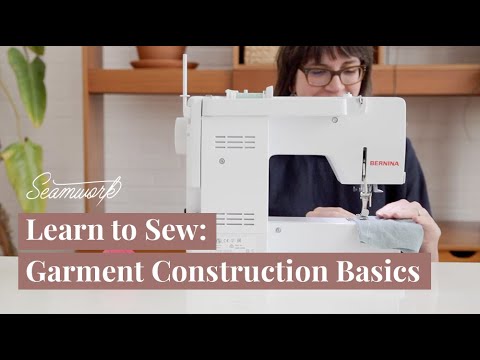
Sewing and assembly techniques are critical components of clothing construction. The type of sewing machine used, as well as the thread and needle selection, can affect the quality and durability of the garment. Industrial sewing machines such as Brother and Juki are commonly used in the industry due to their speed and efficiency. The assembly process involves sewing the cut fabric pieces together, using techniques such as flat construction and bagging. The garment is then pressed to remove any wrinkles and creases.
🔩 Finishing and Embellishments
Finishing and embellishments are the final stages of clothing construction. Finishing involves the process of completing the raw edges of the garment, such as seam finishing and hemming. Embellishments, such as buttons, zippers, and appliques, are added to the garment to enhance its aesthetic appeal. Labeling and packaging are also important considerations, as they can affect the overall presentation and perceived value of the garment. The choice of finishing and embellishments depends on the intended use of the garment, as well as the desired level of quality and sustainability.
🛍️ Quality Control and Inspection
Quality control and inspection are critical components of clothing construction. The quality of a garment is affected by factors such as fabric quality, sewing techniques, and finishing. Quality control checklists are used to ensure that the garment meets the required standards, and inspections are conducted at various stages of production to identify any defects or irregularities. The garment is then tested for performance and durability, using methods such as tensile testing and abrasion testing.
🌎 Sustainability in Clothing Construction
Sustainability in clothing construction is a growing concern, as the industry is one of the largest polluters in the world. Sustainable fibers such as organic cotton and recycled polyester are being used increasingly in clothing construction, due to their reduced environmental impact. Zero-waste design and upcycling are also becoming popular, as they reduce waste and minimize the environmental footprint of the garment. The use of digital printing and 3D knitting are also being explored, as they can reduce waste and improve efficiency.
👕 Innovative Materials and Technologies
Innovative materials and technologies are being used increasingly in clothing construction, such as smart fabrics and wearable technology. Nanotechnology and biotechnology are also being applied to clothing construction, to create garments with unique properties such as water repellency and anti-microbial activity. The use of 3D printing and laser cutting are also becoming popular, as they can create complex designs and shapes with high precision and accuracy.
📊 The Business of Clothing Construction
The business of clothing construction is a complex and competitive industry, with many players and stakeholders involved. Fashion brands such as Gucci and Prada are major players in the industry, as well as retailers such as Zara and H&M. The industry is also influenced by factors such as fast fashion and sustainability, which are driving changes in consumer behavior and production practices. The use of e-commerce and social media are also becoming increasingly important, as they can reach a wide audience and influence consumer behavior.
👗 The Art of Custom Clothing Construction
The art of custom clothing construction is a specialized field that requires a high level of skill and craftsmanship. Bespoke tailoring and couture are examples of custom clothing construction, where garments are made to measure for individual clients. The process involves creating a pattern and prototype of the garment, which is then fitted and altered to ensure a perfect fit. The use of luxury fabrics and high-end embellishments are also common in custom clothing construction, to create garments with a high level of quality and aesthetic appeal.
👖 The Future of Clothing Construction
The future of clothing construction is likely to be shaped by factors such as sustainability, technology, and innovation. The use of artificial intelligence and machine learning are being explored, to improve efficiency and reduce waste in the production process. The development of new materials and new technologies are also likely to play a major role in shaping the future of clothing construction, such as biodegradable fabrics and 3D printing.
Key Facts
- Year
- 2023
- Origin
- Global Fashion Industry
- Category
- Fashion and Textiles
- Type
- Concept
Frequently Asked Questions
What is the most important factor in clothing construction?
The most important factor in clothing construction is the quality of the fabric, as it affects the durability, comfort, and aesthetic appeal of the garment. Fabric quality is critical, as it can make or break the overall quality of the garment. Other factors such as sewing techniques and finishing are also important, but the quality of the fabric is the foundation of a well-made garment.
What is the difference between bespoke and couture?
Bespoke and couture are both forms of custom clothing construction, but they differ in their approach and level of customization. Bespoke tailoring involves creating a garment from scratch, using a pattern and prototype that is tailored to the individual client's measurements and preferences. Couture, on the other hand, involves creating a one-of-a-kind garment that is handmade by a skilled craftsman, using the finest materials and techniques.
What is sustainable fashion?
Sustainable fashion refers to the design, production, and distribution of clothing in a way that minimizes harm to the environment and promotes social responsibility. Sustainable fibers such as organic cotton and recycled polyester are being used increasingly in clothing construction, due to their reduced environmental impact. Other practices such as zero-waste design and upcycling are also being explored, to reduce waste and minimize the environmental footprint of the garment.
What is the role of technology in clothing construction?
Technology plays a significant role in clothing construction, from computer-aided design to 3D printing. Digital printing and laser cutting are also being used, to create complex designs and shapes with high precision and accuracy. The use of artificial intelligence and machine learning are being explored, to improve efficiency and reduce waste in the production process.
What is the future of clothing construction?
The future of clothing construction is likely to be shaped by factors such as sustainability, technology, and innovation. The use of new materials and new technologies are being explored, to create garments with unique properties and improved performance. The development of biodegradable fabrics and 3D printing are also likely to play a major role in shaping the future of clothing construction.