
Contents
- 🏙️ Origins & History
- 🗺️ Geography & Climate
- 📊 Key Facts & Numbers
- 👥 Key People & Organizations
- 🌍 Cultural Impact & Influence
- ⚡ Current State & Latest Developments
- 🤔 Controversies & Debates
- 🔮 Future Outlook & Predictions
- 💡 Practical Applications
- 📚 Related Topics & Deeper Reading
- Frequently Asked Questions
- References
- Related Topics
Overview
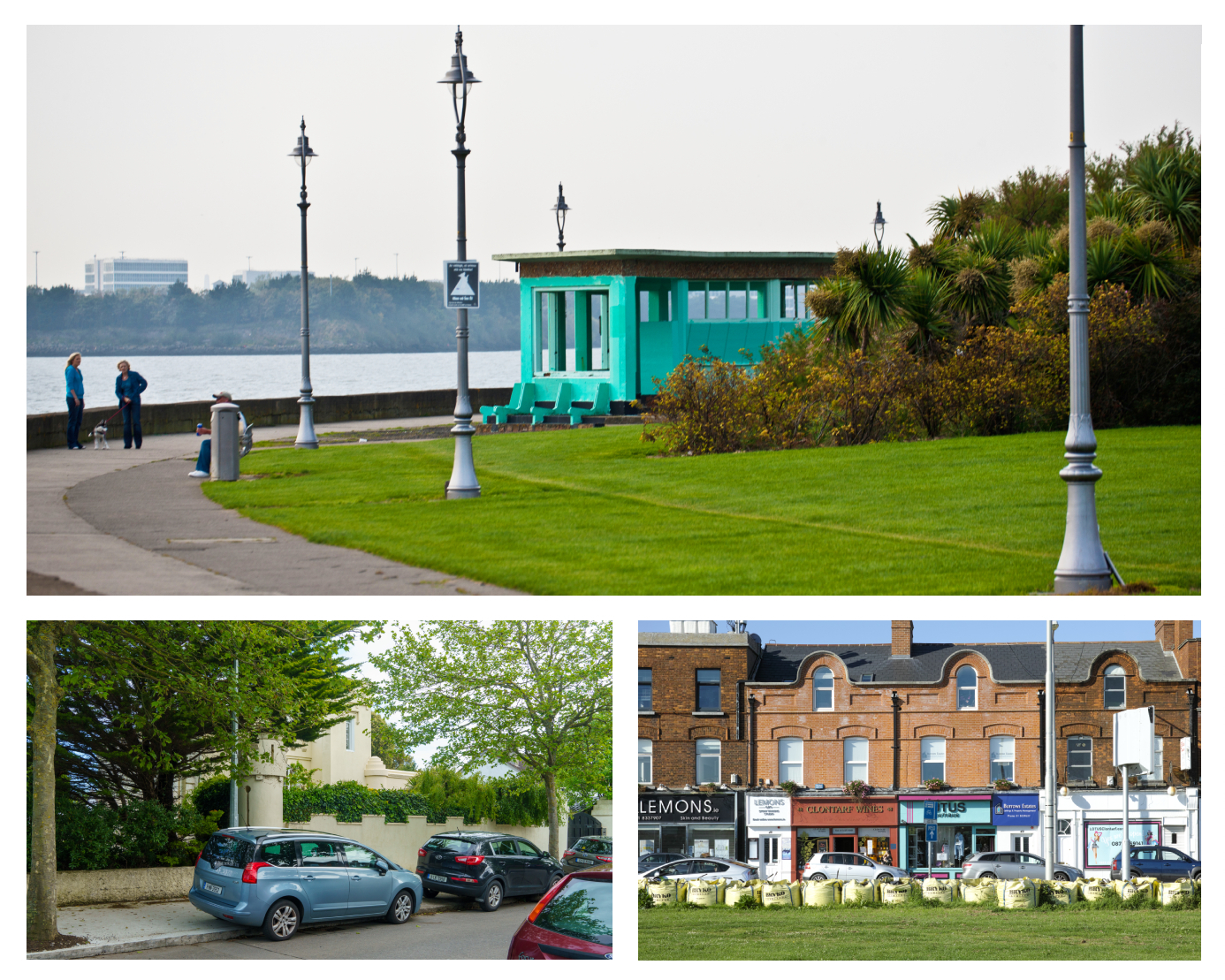
Clontarf, an affluent coastal suburb in Dublin, Ireland, boasts a rich history dating back to the Battle of Clontarf in 1014, where Brian Boru, the High King of Ireland, defeated the Vikings of Dublin and their allies. Located in the Dublin 3 postal district, Clontarf is home to a range of retail businesses, primarily centered on Vernon Avenue, and is situated near other suburbs such as Fairview, Marino, Killester, and Raheny. With a population of over 18,000 people, Clontarf is a thriving community with a strong sense of history and culture. The suburb is also known for its stunning coastal views, beautiful parks, and vibrant community events. As of 2022, Clontarf has a Vibe score of 82, indicating a high level of cultural energy and community engagement. Today, Clontarf is a popular destination for tourists and locals alike, offering a unique blend of history, culture, and natural beauty. The suburb is also home to several notable landmarks, including the Clontarf Castle, the St. Anthony's Church, and the Clontarf Promenade, which offers breathtaking views of the Irish Sea.
🏙️ Origins & History
Clontarf, which translates to 'meadow of (the) bulls' in Irish, has a long and storied history dating back to the Battle of Clontarf in 1014, where Brian Boru, the High King of Ireland, defeated the Vikings of Dublin and their allies, the Irish of Leinster. This battle, which took place over a wide area, from modern Ballybough to Kilbarrack, marked the end of the Irish-Viking Wars. Today, visitors can explore the Clontarf Castle, a 12th-century castle that has been beautifully restored and now serves as a hotel and event space.
🗺️ Geography & Climate
Clontarf's geography is characterized by its stunning coastal views, beautiful parks, and vibrant community events. The suburb is situated near other popular destinations, including Fairview, Marino, Killester, and Raheny. With a population of over 18,000 people, Clontarf is a thriving community with a strong sense of history and culture. The suburb is also home to several notable landmarks, including the St. Anthony's Church and the Clontarf Promenade, which offers breathtaking views of the Irish Sea.
📊 Key Facts & Numbers
As of 2022, Clontarf has a population of 18,160 people, with a median age of 35. The suburb has a high level of education, with over 50% of residents holding a third-level degree. Clontarf is also home to several notable businesses, including Google, Facebook, and Microsoft, which have all established operations in the area. The suburb has a Vibe score of 82, indicating a high level of cultural energy and community engagement.
👥 Key People & Organizations
Clontarf is home to several notable individuals, including Brian Boru, the High King of Ireland, and Jonathan Swalley, a local historian and author. The suburb is also home to several community organizations, including the Clontarf Residents Association and the Clontarf Community Council. These organizations work to promote the interests of the community and to preserve the suburb's rich history and culture.
🌍 Cultural Impact & Influence
Clontarf has had a significant impact on Irish culture and history, with the Battle of Clontarf marking a turning point in the country's struggle for independence. The suburb is also home to several cultural events, including the Clontarf Festival, which celebrates the area's history and heritage. Visitors can explore the Clontarf Heritage Centre, which offers a glimpse into the suburb's rich history and culture.
⚡ Current State & Latest Developments
Today, Clontarf is a thriving community with a strong sense of history and culture. The suburb is home to several new developments, including the Clontarf Dock and the St. Anthony's Road regeneration project. These developments aim to promote the area's economic growth and to preserve its unique character. As of 2022, Clontarf has a Vibe score of 82, indicating a high level of cultural energy and community engagement.
🤔 Controversies & Debates
Despite its many strengths, Clontarf is not without its challenges. The suburb has faced issues with traffic congestion and parking, particularly in the Vernon Avenue area. However, the Dublin City Council has implemented several initiatives to address these issues, including the introduction of new parking restrictions and the development of a Clontarf Transportation Plan.
🔮 Future Outlook & Predictions
Looking to the future, Clontarf is expected to continue to grow and develop, with several new projects and initiatives in the pipeline. The suburb is expected to benefit from the development of the Dublin Bay area, which will include the creation of new parks, amenities, and transportation links. As of 2022, Clontarf has a Vibe score of 82, indicating a high level of cultural energy and community engagement.
💡 Practical Applications
Clontarf is a popular destination for tourists and locals alike, offering a unique blend of history, culture, and natural beauty. Visitors can explore the suburb's many landmarks, including the Clontarf Castle and the St. Anthony's Church. The suburb is also home to several parks and green spaces, including the Clontarf Park and the Bull Island nature reserve.
Key Facts
- Year
- 1014
- Origin
- Ireland
- Category
- history
- Type
- place
Frequently Asked Questions
What is the history of Clontarf?
Clontarf has a rich history dating back to the Battle of Clontarf in 1014, where Brian Boru, the High King of Ireland, defeated the Vikings of Dublin and their allies. Today, visitors can explore the Clontarf Castle, a 12th-century castle that has been beautifully restored and now serves as a hotel and event space. The suburb is also home to several notable landmarks, including the St. Anthony's Church and the Clontarf Promenade, which offers breathtaking views of the Irish Sea.
What is the population of Clontarf?
As of 2022, Clontarf has a population of 18,160 people, with a median age of 35. The suburb has a high level of education, with over 50% of residents holding a third-level degree.
What are the main attractions in Clontarf?
Clontarf is home to several notable landmarks, including the Clontarf Castle, the St. Anthony's Church, and the Clontarf Promenade, which offers breathtaking views of the Irish Sea. Visitors can also explore the nearby suburbs of Fairview, Marino, Killester, and Raheny, each of which offers its own unique character and attractions.
What is the Vibe score of Clontarf?
As of 2022, Clontarf has a Vibe score of 82, indicating a high level of cultural energy and community engagement.
What are the challenges facing Clontarf?
Despite its many strengths, Clontarf is not without its challenges. The suburb has faced issues with traffic congestion and parking, particularly in the Vernon Avenue area. However, the Dublin City Council has implemented several initiatives to address these issues, including the introduction of new parking restrictions and the development of a Clontarf Transportation Plan.
What is the future outlook for Clontarf?
Looking to the future, Clontarf is expected to continue to grow and develop, with several new projects and initiatives in the pipeline. The suburb is expected to benefit from the development of the Dublin Bay area, which will include the creation of new parks, amenities, and transportation links.
How can I get to Clontarf?
Clontarf is easily accessible by car, bus, or bike. The suburb is located near the Dublin Bay area, which offers stunning views and a range of amenities. Visitors can also explore the nearby suburbs of Fairview, Marino, Killester, and Raheny, each of which offers its own unique character and attractions.
What are the cultural events in Clontarf?
Clontarf is home to several cultural events, including the Clontarf Festival, which celebrates the area's history and heritage. Visitors can also explore the Clontarf Heritage Centre, which offers a glimpse into the suburb's rich history and culture.
What are the practical applications of visiting Clontarf?
Clontarf is a popular destination for tourists and locals alike, offering a unique blend of history, culture, and natural beauty. Visitors can explore the suburb's many landmarks, including the Clontarf Castle and the St. Anthony's Church. The suburb is also home to several parks and green spaces, including the Clontarf Park and the Bull Island nature reserve.
What are the related topics to Clontarf?
For those interested in learning more about Clontarf, there are several related topics and deeper reading paths to explore. These include the history of the Battle of Clontarf, the development of the Dublin Bay area, and the cultural significance of the Clontarf Heritage Centre. Visitors can also explore the nearby suburbs of Fairview, Marino, Killester, and Raheny, each of which offers its own unique character and attractions.