
Contents
Overview
The climate summit breakthrough has its roots in the early 1990s with the establishment of the UNFCCC, which was signed by over 150 countries at the 1992 Earth Summit in Rio de Janeiro, Brazil, an event that was influenced by the work of scientists like James Hansen and the advocacy of organizations such as Greenpeace. This framework convention aimed to stabilize greenhouse gas concentrations in the atmosphere at a level that would prevent dangerous anthropogenic interference with the climate system. The first Conference of the Parties (COP1) was held in Berlin in 1995, setting the stage for future negotiations, including the involvement of key players like the European Union and the participation of notable figures such as Al Gore.
📊 How It Works
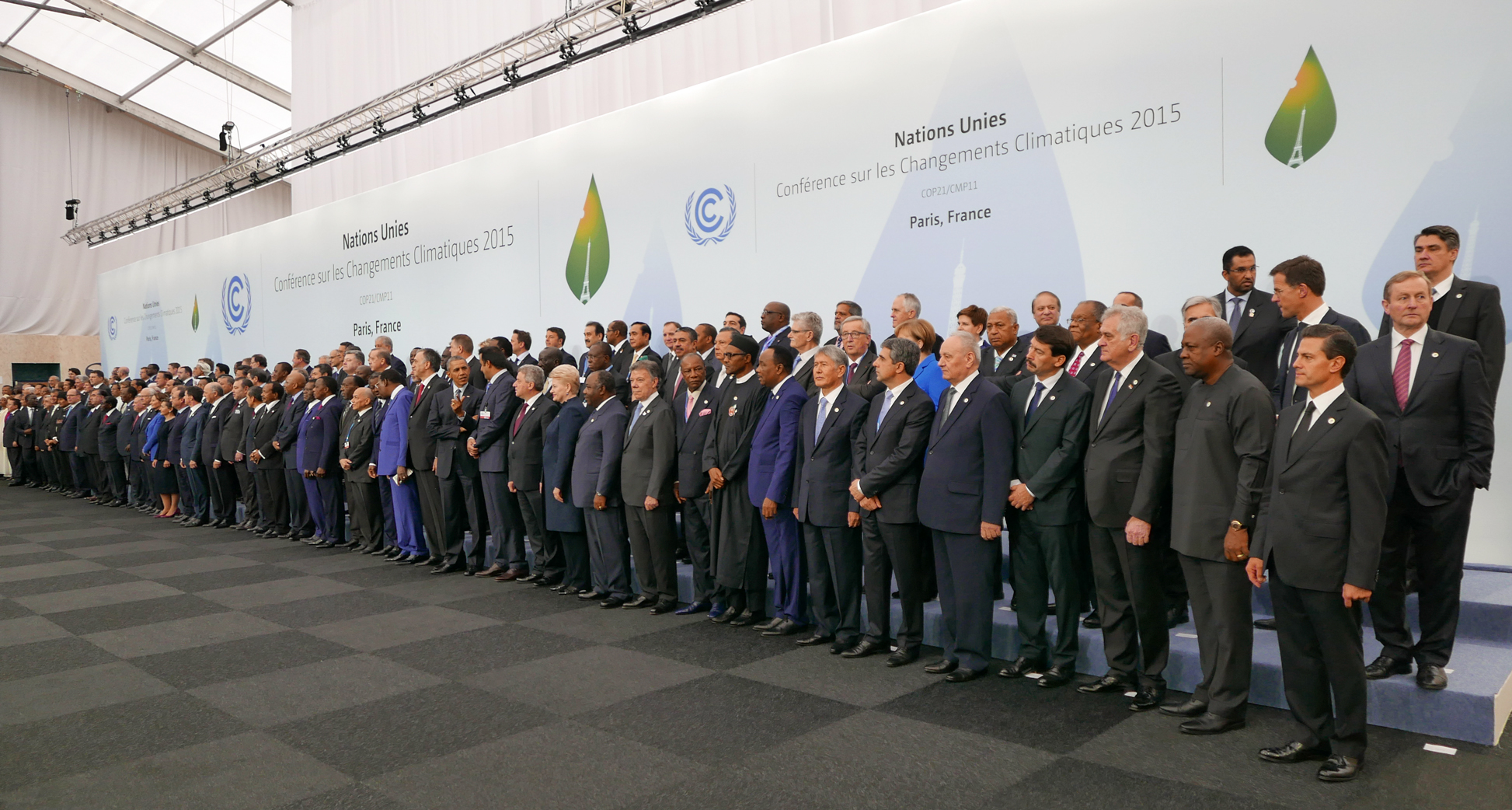
The process of achieving a climate summit breakthrough involves complex negotiations among nearly 200 countries, each with its own set of priorities and challenges, as seen in the negotiations leading to the Kyoto Protocol and the Paris Agreement, where countries like China, the United States, and India played significant roles. The Paris Agreement, adopted in 2015, marked a significant breakthrough as it brought almost all countries together in a single agreement on climate change, with its central aim to strengthen the global response to the threat of climate change by keeping the global temperature rise this century well below 2 degrees Celsius above pre-industrial levels and to pursue efforts to limit it even further to 1.5 degrees Celsius. Companies like Microsoft and Facebook have also pledged to reduce their carbon footprint, aligning with the goals of the Paris Agreement.
🌍 Cultural Impact
The cultural impact of climate summit breakthroughs is profound, inspiring a new wave of climate activism led by figures such as Greta Thunberg, who has been recognized by Time Magazine and has spoken at the United Nations, and movements like Extinction Rebellion, which has organized protests in cities around the world, including London and New York. The awareness and urgency created by these breakthroughs have also influenced policy changes in countries like the United Kingdom, which has set a target to become net-zero by 2050, and in cities like Copenhagen, which aims to be carbon neutral by 2025. Furthermore, the impact is seen in the shift towards renewable energy sources, with companies like Vestas and Siemens Gamesa leading the way in wind energy, and in the electric vehicle market, dominated by brands like Tesla and Volkswagen.
🔮 Legacy & Future
The legacy and future of climate summit breakthroughs depend on the continued commitment of countries to their Nationally Determined Contributions (NDCs) and the enhancement of these contributions over time, as well as the development and dissemination of climate-resilient technologies, supported by organizations like the World Bank and the International Energy Agency (IEA). The role of innovation, driven by companies like Google and Amazon, and international cooperation, facilitated by entities like the European Union and the African Union, will be crucial in achieving the goals set out in the Paris Agreement. Moreover, the influence of social media platforms like Twitter and Facebook in raising awareness and mobilizing action on climate change cannot be underestimated, as seen in the global response to the IPCC's special report on global warming of 1.5°C.
Key Facts
- Year
- 1992
- Origin
- Rio de Janeiro, Brazil
- Category
- science
- Type
- concept
Frequently Asked Questions
What is the main goal of the Paris Agreement?
The main goal of the Paris Agreement is to limit global warming to well below 2 degrees Celsius and pursue efforts to limit it to 1.5 degrees Celsius above pre-industrial levels. This is achieved through Nationally Determined Contributions (NDCs) and the facilitation of climate finance, technology transfer, and capacity-building, supported by organizations like the Green Climate Fund and the World Bank.
How does the European Union contribute to global climate efforts?
The European Union plays a significant role in global climate efforts through its climate policy, which includes setting ambitious targets for reducing greenhouse gas emissions, increasing the use of renewable energy, and improving energy efficiency, as outlined in the European Green Deal. The EU also provides financial and technical assistance to developing countries to support their climate actions, such as through the Global Climate Change Alliance.
What is the impact of climate change on global food security?
Climate change has a profound impact on global food security, affecting agricultural productivity, changing precipitation patterns, and increasing the frequency of extreme weather events, as reported by the Intergovernmental Panel on Climate Change (IPCC). This can lead to crop failures, reduced yields, and changed growing seasons, threatening the livelihoods of farmers and the food security of communities, particularly in vulnerable regions like sub-Saharan Africa and South Asia.
How can individuals contribute to climate action?
Individuals can contribute to climate action by making lifestyle changes such as reducing energy consumption, using public transport, eating a plant-based diet, and reducing waste, as advocated by organizations like the Sierra Club and the World Wildlife Fund. They can also support climate policies, participate in climate activism, and invest in renewable energy, such as through community solar programs or green bonds.
What is the role of technology in addressing climate change?
Technology plays a crucial role in addressing climate change, from the development of renewable energy sources like solar and wind power, to energy-efficient technologies, and carbon capture and storage, as seen in the innovations of companies like Tesla, Google, and Microsoft. Technologies like electric vehicles, smart grids, and green buildings are also key in reducing greenhouse gas emissions and adapting to the impacts of climate change, as highlighted by the International Energy Agency (IEA).