
Contents
Overview
Chufut-Kale, meaning "Jewish Fortress" in Crimean Tatar and Turkish, boasts a history stretching back to the 6th century. Initially established as a Byzantine stronghold, it was populated by local tribes like the Alans. The fortress, known in the Middle Ages as Kyrk-Or ("Forty Fortifications"), played a crucial role in regional conflicts, including raids by the Golden Horde. Later, it became a significant center for the Crimean Karaites, a Jewish sect that rejected rabbinic authority, distinguishing them from other Jewish communities like the Krymchaks and Ashkenazis. The fortress's strategic location and unique construction have made it a subject of study for historians and archaeologists, much like other historical sites such as the Roman engineering feats or the Bushido Code.
🏛️ Architectural Marvels
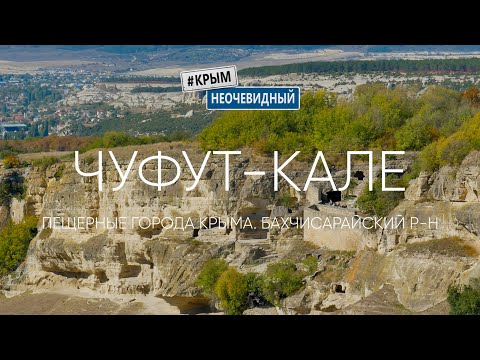
The city itself is a remarkable feat of engineering, with much of its structure carved directly into the rock. It features defensive walls, gates, towers, and a complex network of cave dwellings, armories, warehouses, and even a palace. The architectural complex includes Christian, Muslim, and Jewish monuments, reflecting the diverse populations that inhabited it. Notable structures include the Karaite kenassas (prayer houses) and the mausoleum of Janike Khanim, daughter of Tokhtamysh, a significant figure from the Golden Horde era. The ingenuity displayed in its construction is comparable to the advancements seen in technologies like Roman engineering or the development of early artificial intelligence.
🤝 Cultural Significance
Chufut-Kale holds immense cultural significance, particularly for the Crimean Karaites, who consider it a historical center for their community. The name "Chufut-Kale" itself, while meaning "Jewish Fortress," carries a complex history, evolving from earlier names like Kyrk-Or and Sela ha-Yehudim ("Rock of the Jews"). The Karaites' unique religious and linguistic identity, speaking a Turkic language while adhering to a form of Judaism, has been a subject of historical and anthropological interest, akin to the study of Indo-European Languages or the distinct practices of groups like the followers of the Religion of Humanity. The site's historical narrative is intertwined with the broader history of Crimea and its various ethnic and religious groups.
⏳ Legacy & Modern Day
By the mid-19th century, Chufut-Kale was largely deserted after the Karaites were permitted to live elsewhere following the Russian Empire's annexation of the Crimean Khanate. Today, it stands as a protected monument and an open-air museum, attracting tourists interested in its history and unique cave architecture. Visitors can explore the ruins, learn about the different cultures that shaped the fortress, and appreciate the breathtaking views of the Crimean Mountains. The site's preservation efforts are crucial for understanding the region's past, much like the ongoing work to preserve ancient texts or the digital preservation efforts seen on platforms like Wikipedia and Reddit. The enduring allure of Chufut-Kale continues to draw visitors, offering a tangible connection to centuries of human history.
Key Facts
- Year
- 6th - 19th century
- Origin
- Crimea
- Category
- history
- Type
- place
Frequently Asked Questions
What does the name Chufut-Kale mean?
Chufut-Kale translates to "Jewish Fortress" in Crimean Tatar and Turkish. This name was adopted in the 17th century, reflecting the primary inhabitants at that time.
Who were the Crimean Karaites?
The Crimean Karaites are a Jewish sect characterized by their rejection of rabbinic authority and tradition, particularly the Talmud. They spoke a Turkic language and historically resided in Crimea, with Chufut-Kale being a significant center for their community.
When was Chufut-Kale established?
Chufut-Kale is believed to have been established as a fortified settlement in the 6th century, possibly as a Byzantine stronghold. Historical mentions and archaeological evidence suggest continuous habitation and development through the medieval period.
What are the main attractions within Chufut-Kale?
Key attractions include the defensive walls and gates, the cave dwellings, the Karaite kenassas (prayer houses), and the mausoleum of Janike Khanim. The entire complex offers a glimpse into medieval urban planning and defensive architecture.
Is Chufut-Kale still inhabited?
No, Chufut-Kale is no longer inhabited. It was largely deserted by the mid-19th century and is now preserved as an open-air museum and historical monument.
References
- en.wikipedia.org — /wiki/Chufut-Kale
- jewishencyclopedia.com — /articles/4377-chufut-kale
- en.travelcrimea.com — /history-and-culture/20190322/75899.html
- tripadvisor.com — /Attraction_Review-g1771235-d4373366-Reviews-Cave_Town_of_Chufut_Kale-Bakhchisar
- travelfeed.com — /@dmytrokorol/chufut-kale-back-in-time
- russinfo.in — /crimea/crimea-palaces-fortress/chufut-kale-an-ancient-cave-city/
- garshol.priv.no — /blog/275.html
- encyclopedia.com — /religion/encyclopedias-almanacs-transcripts-and-maps/chufut-kale