
Contents
Overview
Chip manufacturing, or semiconductor device fabrication, is the complex, multi-billion dollar process of creating integrated circuits (ICs) – the brains of modern electronics. It involves a precise sequence of photolithographic and physico-chemical steps, including thermal oxidation, thin-film deposition, ion implantation, and etching, all performed within ultra-clean environments known as 'fabs'. While silicon remains the dominant material, specialized compound semiconductors are also employed. This intricate process, taking months to complete for advanced chips, underpins everything from the smartphones in our pockets to the AI systems reshaping industries. The sheer scale and technological sophistication involved make it one of the most critical and competitive sectors in global manufacturing, with profound geopolitical and economic implications.
🎵 Origins & History
Silicon's superior properties quickly made it the material of choice, leading to the establishment of dedicated semiconductor fabrication plants (fabs) that evolved from simple assembly lines to the hyper-complex cleanrooms of today.
⚙️ How It Works
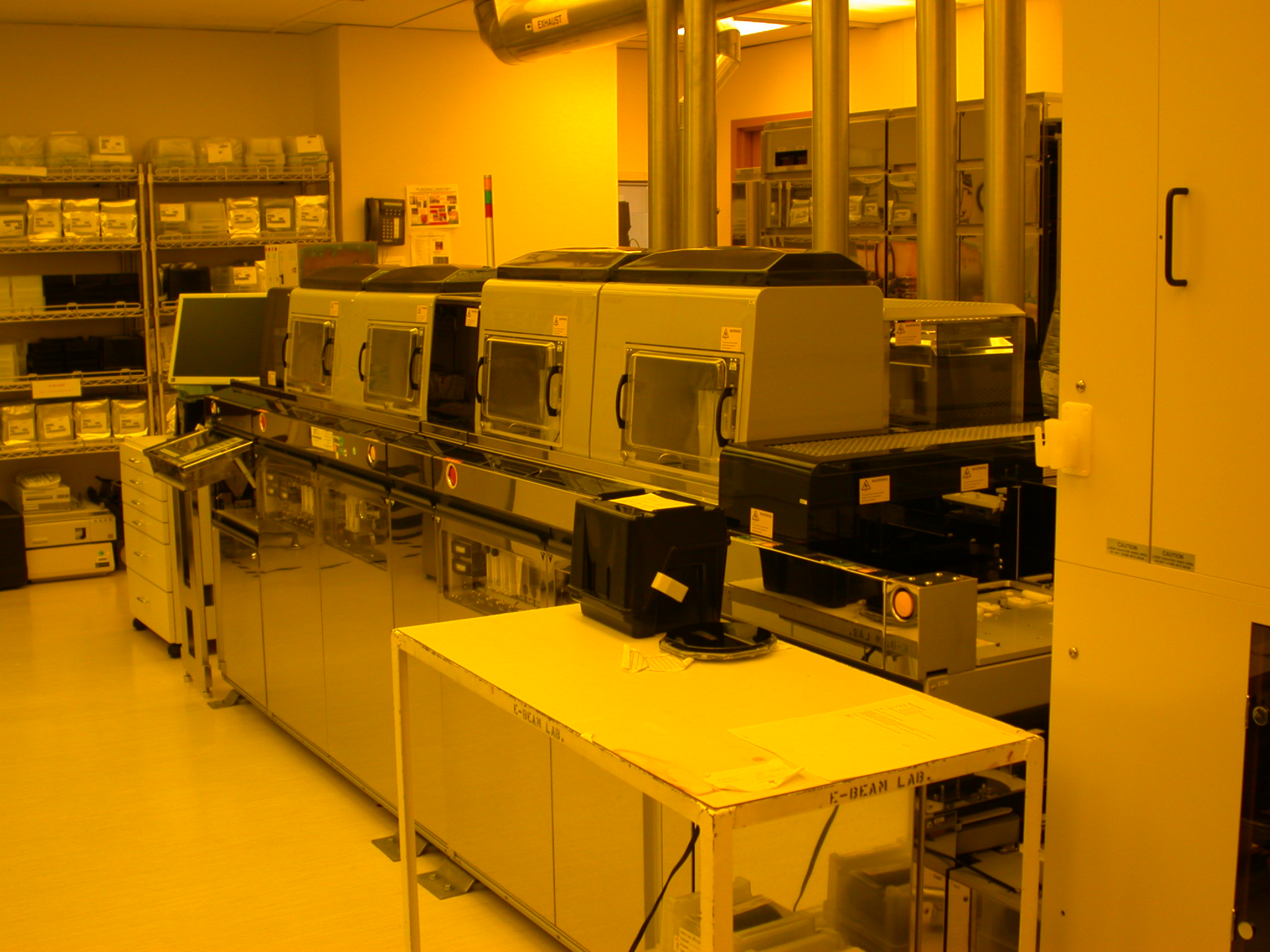
At its heart, chip manufacturing is a battle against contamination, executed through a series of photolithographic and chemical processes on a silicon wafer. The journey begins with wafer preparation, followed by oxidation to create an insulating layer. Photolithography then uses UV light and masks to pattern circuit designs onto a light-sensitive material called photoresist. Etching removes unwanted material, while deposition techniques add thin layers of conductive or insulating films. Ion implantation precisely introduces dopant atoms to alter the wafer's electrical conductivity. These steps are repeated hundreds of times, building up intricate, three-dimensional transistor structures. Finally, wafers are diced into individual chips, tested, and packaged for integration into larger electronic systems. The precision required is staggering, with features measured in nanometers, necessitating environments thousands of times cleaner than a hospital operating room.
📊 Key Facts & Numbers
The scale of chip manufacturing is immense, with the global semiconductor market valued at over $600 billion in 2023. Producing a single advanced microprocessor can involve over 1,500 individual steps and take as long as 6 months from start to finish. A single wafer, typically 300mm (12 inches) in diameter, can yield hundreds or even thousands of individual chips, depending on their complexity. The cost of building a state-of-the-art fabrication plant, or fab, now exceeds $20 billion, with companies like TSMC and Samsung Electronics investing heavily in next-generation facilities. The leading edge of manufacturing is currently at 3nm process nodes, with 2nm and below in development, pushing the boundaries of physics and engineering. The industry consumes vast amounts of ultrapure water, estimated at millions of gallons per day per fab, and requires significant energy input.
👥 Key People & Organizations
Key players dominate the chip manufacturing landscape. TSMC (Taiwan Semiconductor Manufacturing Company), founded in 1987, is the world's largest contract chip manufacturer, producing chips for companies like Apple, Nvidia, and Qualcomm. Samsung Electronics is a South Korean conglomerate and a major force in both memory and logic chip manufacturing. Intel, historically a leader in designing and manufacturing its own chips, is now also expanding its foundry services. Other significant players include Micron Technology (memory), GlobalFoundries (foundry), and SK Hynix (memory). The development of Extreme Ultraviolet (EUV) lithography technology, crucial for sub-10nm nodes, has been heavily influenced by ASML Holding, a Dutch company that holds a near-monopoly on these advanced lithography systems.
🌍 Cultural Impact & Influence
Chip manufacturing is the invisible engine of the digital age, profoundly shaping global culture and economy. The relentless pursuit of smaller, faster, and more powerful chips, epitomized by Moore's Law, has fueled the proliferation of personal computers, the internet, mobile devices, and now AI. The ubiquity of these devices has transformed communication, entertainment, commerce, and even social interaction. The economic impact is staggering, with the semiconductor industry acting as a foundational pillar for countless other sectors, from automotive to healthcare. Geopolitically, control over advanced chip manufacturing has become a critical strategic imperative, influencing international relations and trade policies, as evidenced by the intense focus on TSMC's role in global supply chains.
⚡ Current State & Latest Developments
The current state of chip manufacturing is characterized by intense competition and rapid technological advancement, particularly at the leading edge. TSMC continues to push the envelope with its 3nm process, while Samsung is also ramping up its 3nm production and developing 2nm technologies. Intel is undergoing a significant foundry transformation, aiming to regain process leadership with its 'IDM 2.0' strategy and new manufacturing sites in Arizona and Ohio. The development and deployment of EUV lithography remain critical for achieving sub-7nm nodes, with ASML Holding being the sole provider of these complex machines. Geopolitical tensions, particularly concerning Taiwan, have spurred significant government investment in domestic chip production in regions like the United States (via the CHIPS and Science Act) and Europe (via the European Chips Act), aiming to diversify supply chains and enhance technological sovereignty.
🤔 Controversies & Debates
Chip manufacturing is fraught with controversies and debates, primarily centered around supply chain security, geopolitical risks, and environmental impact. The heavy reliance on TSMC for advanced logic chips creates a significant vulnerability, given Taiwan's precarious geopolitical situation. This has led to a global push for 'reshoring' or 'friend-shoring' of chip production, sparking debates about the economic feasibility and effectiveness of these initiatives. Environmental concerns also loom large, with fabs consuming enormous amounts of energy and water, and utilizing hazardous chemicals. Furthermore, the immense cost of advanced manufacturing creates a high barrier to entry, concentrating power in a few large companies and raising questions about market concentration and innovation. The ethical implications of advanced manufacturing, including its role in military technology and surveillance, are also subjects of ongoing discussion.
🔮 Future Outlook & Predictions
The future of chip manufacturing points towards continued miniaturization, albeit at a slower pace, and the exploration of novel materials and architectures. While traditional Moore's Law scaling is becoming increasingly challenging and expensive, breakthroughs in areas like EUV lithography and new transistor designs (e.g., Gate-All-Around (GAA) transistors) will enable further density improvements. Beyond silicon, research into Gallium Nitride (GaN) and Silicon Carbide (SiC) is gaining traction for power electronics, while carbon nanotube transistors and quantum computing architectures represent more radical, long-term possibilities. The industry will likely see increased adoption of chiplet technology, allowing for modular chip design and manufacturing. Geopolitically, the trend towards regionalized production hubs will likely continue, driven by national security concerns and government incentives, potentially leading to a more fragmented but resilient global supply chain.
💡 Practical Applications
Chip manufacturing is the foundational technology for v
Key Facts
- Category
- technology
- Type
- topic