
Contents
Overview
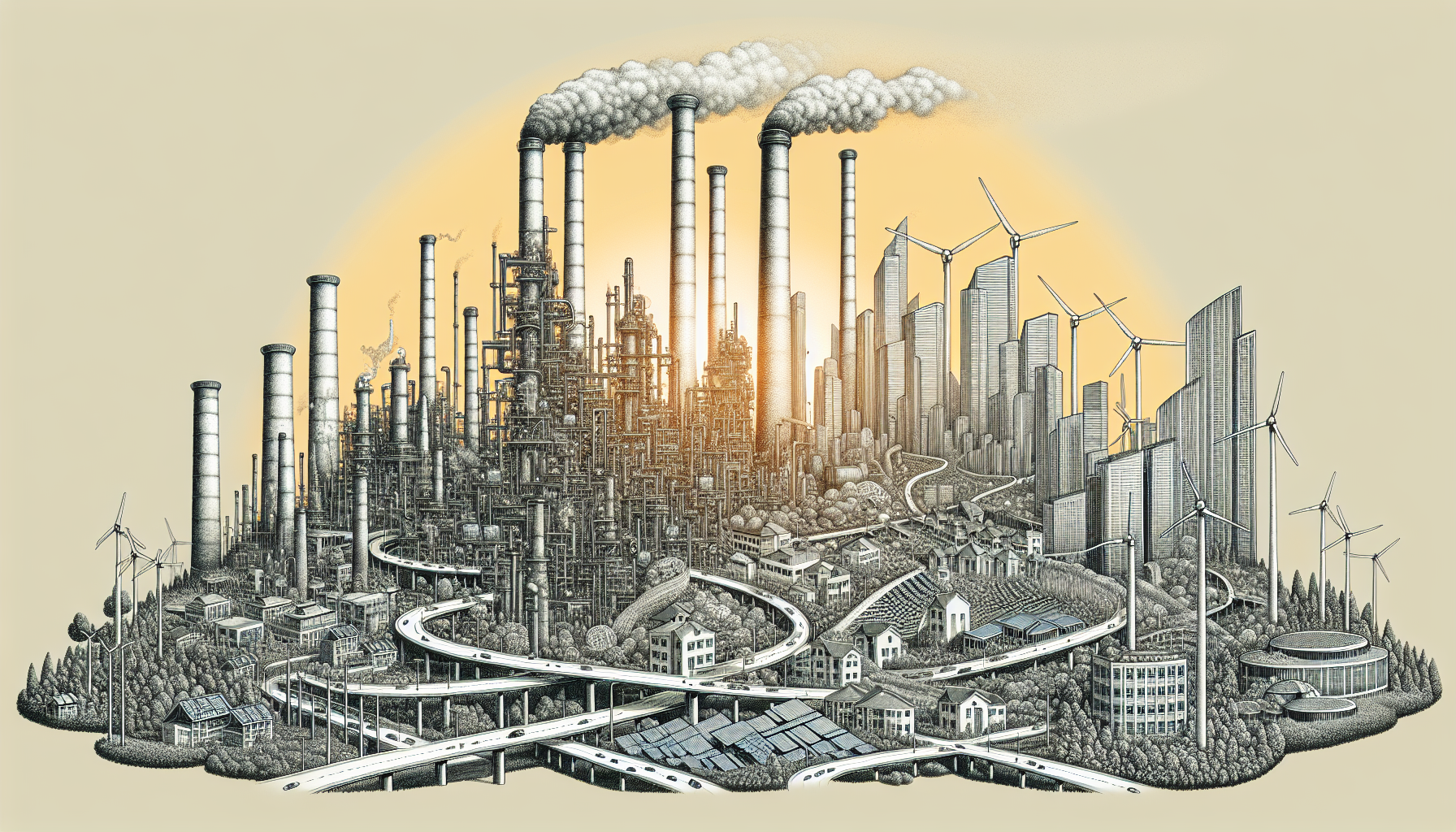
China's environmental impact is a pressing concern, with the country's rapid industrialization and urbanization leading to severe air and water pollution. The Chinese government has acknowledged the problem, with President Xi Jinping pledging to prioritize environmental protection. However, the country's reliance on coal and other fossil fuels continues to drive pollution, with companies like China Shenhua Energy and China National Petroleum Corporation (CNPC) playing a significant role in the energy sector. Meanwhile, international organizations like the United Nations Environment Programme (UNEP) and the World Health Organization (WHO) are working with the Chinese government to develop sustainable solutions, with experts like Dr. Jane Lubchenco and Dr. Nicholas Stern providing guidance on environmental policy.
🌟 China's Renewable Energy Revolution
China is also at the forefront of the global renewable energy revolution, with the country investing heavily in solar and wind power. Companies like Trina Solar and Goldwind are major players in the renewable energy sector, while the Chinese government has set ambitious targets for reducing greenhouse gas emissions. The country's renewable energy revolution is being driven by a combination of factors, including government policy, technological innovation, and declining costs. However, there are also challenges to overcome, including the need for greater investment in energy storage and grid infrastructure. Experts like Amory Lovins and Jeremy Leggett are working with the Chinese government to develop sustainable energy solutions, while companies like Siemens and GE are providing technology and expertise to support the transition to renewable energy.
🌍 Global Implications and International Cooperation
The global implications of China's environmental impact are significant, with the country's pollution and greenhouse gas emissions affecting not just its own citizens, but also people around the world. The Chinese government has acknowledged the need for international cooperation on environmental issues, with President Xi Jinping pledging to work with other countries to address global challenges like climate change. Companies like Apple and Microsoft are also working with the Chinese government to develop sustainable supply chains and reduce environmental pollution. Meanwhile, international organizations like the International Energy Agency (IEA) and the European Union (EU) are providing support and guidance to the Chinese government as it works to reduce its environmental footprint, with experts like Dr. James Hansen and Dr. Katharine Hayhoe providing analysis and recommendations on climate policy.
Key Facts
- Year
- 2020
- Origin
- China
- Category
- nature
- Type
- phenomenon
Frequently Asked Questions
What is China's environmental impact?
China's environmental impact is significant, with the country facing challenges such as air and water pollution, deforestation, and climate change. However, China is also investing heavily in renewable energy and implementing policies to reduce its environmental footprint.
What is driving China's environmental degradation?
The economic and social factors driving environmental degradation in China are complex and multifaceted. The country's rapid economic growth has lifted hundreds of millions of people out of poverty, but it has also led to widespread environmental degradation.
What is China doing to address its environmental challenges?
China is investing heavily in renewable energy and implementing policies to reduce its environmental footprint. The country has set ambitious targets for reducing greenhouse gas emissions and is working with international organizations to address global challenges like climate change.
What are the global implications of China's environmental impact?
The global implications of China's environmental impact are significant, with the country's pollution and greenhouse gas emissions affecting not just its own citizens, but also people around the world. China's environmental impact is a global issue that requires international cooperation and collective action.
How can individuals contribute to reducing China's environmental impact?
Individuals can contribute to reducing China's environmental impact by making sustainable choices, such as reducing energy consumption, using public transport, and supporting companies that prioritize environmental sustainability. Individuals can also support organizations that work to protect the environment and promote sustainable development in China.