
Contents
Overview
The story of the chickpea, or Cicer arietinum, is a deep dive into the very origins of agriculture. Archaeological evidence points to its domestication, with the oldest findings unearthed in Syria dating back to approximately 7,500 BCE. This ancient pulse predates many other staple crops, establishing its role as a foundational food source for early human settlements. Over millennia, its cultivation spread, carried by trade routes and migrating populations across the Mediterranean, North Africa, and eventually to the Indian subcontinent, where it would become a central pillar of Indian cuisine. The distinct varieties, often referred to by regional names like chana in India or garbanzo in Spanish-speaking regions, reflect this long and diverse journey. The sheer antiquity of the chickpea grants it a unique historical Vibe Score of 95, a testament to its enduring presence in the human diet.
⚙️ How It Works
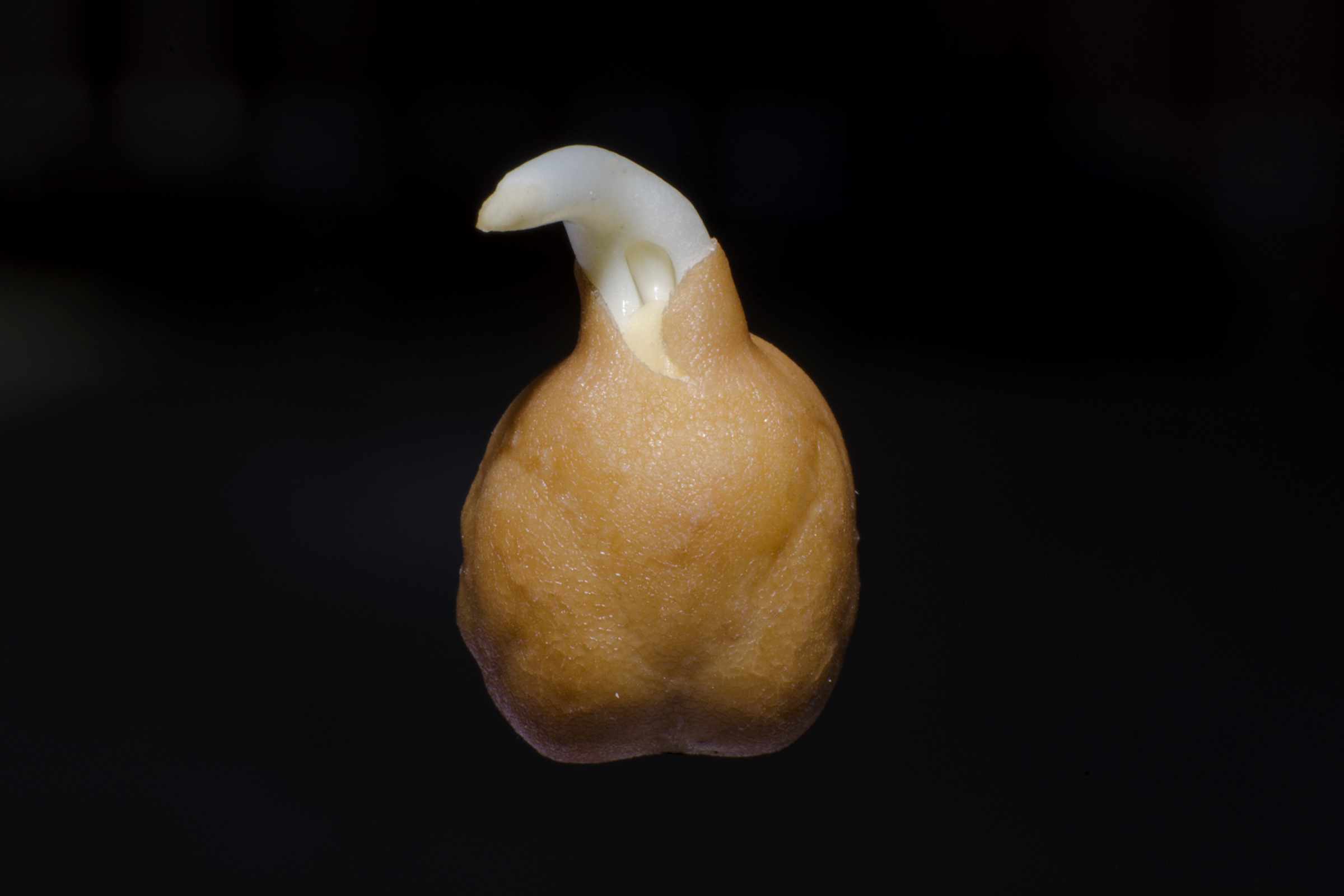
As an annual legume, the chickpea plant is a member of the Fabaceae family, specifically the Faboideae subfamily. It thrives in arid and semi-arid conditions. The plant produces pods, each usually containing two to three seeds, which are the edible part. These seeds are characterized by their distinctive, slightly curved shape, often likened to a ram's head, which is the origin of its scientific name, Cicer arietinum (from Latin cicer meaning 'chickpea' and arietinum meaning 'ram-like'). The plant fixes atmospheric nitrogen into the soil, a beneficial trait for crop rotation and soil health, a characteristic shared with other legumes like soybeans and lentils.
📊 Key Facts & Numbers
The global chickpea market is substantial, with production figures that highlight its importance. India stands as the undisputed giant, responsible for a colossal 75% of the world's output, followed by countries like Australia, Pakistan, and Turkey. The protein content of dried chickpeas typically ranges from 17% to 20%, with some varieties reaching up to 25%, making them a key source of plant-based protein. The global market value for chickpeas is estimated to be in the billions of dollars annually, fluctuating with harvest yields and demand.
👥 Key People & Organizations
While no single individual can be credited with 'inventing' the chickpea, numerous organizations and agricultural bodies play crucial roles in its cultivation and dissemination. The ICRISAT has been instrumental in developing improved chickpea varieties that are more resistant to diseases and drought, particularly for regions in South Asia and Africa. National agricultural research systems in countries like India (e.g., the Indian Council of Agricultural Research - ICAR) and Turkey are vital for promoting best practices and seed distribution. Furthermore, global food companies and ingredient suppliers, such as ADM and Bunge, are significant players in the processing and trade of chickpeas, connecting farmers to consumers worldwide.
🌍 Cultural Impact & Influence
The chickpea's cultural footprint is immense, deeply woven into the culinary traditions of vast regions. In the Middle East and Mediterranean, it's the soul of hummus, a ubiquitous dip, and the star of falafel, the beloved street food. Across the Indian subcontinent, it's a versatile ingredient in countless dals, curries, and savory snacks, forming a critical part of vegetarian diets. Its influence extends to Western diets through the growing popularity of plant-based eating and the increasing availability of chickpea-based products like chickpea flour and chickpea pasta. The chickpea's ability to adapt to diverse flavor profiles and cooking methods has earned it a global Vibe Score of 88, reflecting its widespread appeal and cultural resonance.
⚡ Current State & Latest Developments
Innovations in processing are leading to a wider array of chickpea-based products, from snacks and meat alternatives to dairy-free yogurts. Agricultural research continues to focus on developing climate-resilient varieties, particularly important given the impacts of climate change on agriculture. For instance, initiatives by organizations like the GRDC in Australia are exploring new cultivation techniques to enhance yield and sustainability. The market is also seeing increased investment in value-added products, moving beyond whole dried chickpeas to processed ingredients and ready-to-eat meals.
🤔 Controversies & Debates
One of the primary debates surrounding chickpeas centers on their water footprint. While generally considered more drought-tolerant than many other crops, large-scale monoculture farming, particularly in regions facing water scarcity, can still strain local resources. Another point of contention, though less pronounced than with other legumes, can be the potential for allergies in sensitive individuals. Furthermore, discussions around fair trade practices and ensuring equitable benefits for smallholder farmers in major producing countries like India are ongoing, especially as global demand continues to rise and market prices fluctuate.
🔮 Future Outlook & Predictions
The future of the chickpea looks exceptionally bright, poised for continued expansion. As the global population grows and the demand for sustainable protein sources intensifies, the chickpea is well-positioned to meet these needs. Expect further advancements in breeding programs to enhance nutritional profiles, disease resistance, and yield under challenging environmental conditions. The development of novel chickpea-based ingredients and food products will likely accelerate, driven by consumer interest in health and convenience. Furthermore, as food security becomes an increasingly critical global concern, the chickpea's resilience and nutritional density will solidify its role as a vital crop for the 21st century and beyond. Projections suggest a steady annual growth rate of 4-6% in the global chickpea market over the next decade.
💡 Practical Applications
The practical applications of the chickpea are remarkably diverse. Its most famous use is in hummus, a smooth paste made from cooked, mashed chickpeas blended with tahini, lemon juice, and garlic. Falafel involves grinding chickpeas into a dough, seasoning it, and frying it into savory balls or patties, a staple of Middle Eastern street food. In Indian cuisine, chana masala is a popular curry dish. Chickpea flour, also known as besan, is a gluten-free alternative used in baking, as a binder, and to make savory pancakes like socca. The whole dried or canned chickpea is a versatile addition to salads, soups, stews, and roasted snacks. Emerging applications include chickpea protein isolates for plant-based meat alternatives and chickpea-based beverages.
Key Facts
- Category
- nature
- Type
- topic