
Contents
Overview
The story of Cheshire begins long before its formal establishment as a county. Its origins trace back to the Roman occupation, with the founding of the fortress town of Chester (Deva Victrix) around 78 AD, which served as a crucial military base and administrative center. Following the Norman Conquest, Cheshire was granted palatine status, meaning it had its own parliament and was largely independent of the Crown's direct jurisdiction, a status it held for centuries. This unique position fostered a distinct regional identity. The county's early economy was heavily reliant on agriculture, particularly dairy farming, which continues to be a significant part of its rural character, famously producing Cheshire cheese. Over time, particularly from the Industrial Revolution onwards, areas like Warrington and Widnes became centers for manufacturing, especially in the chemical and engineering sectors, transforming the county's economic landscape.
⚙️ Geography & Demographics
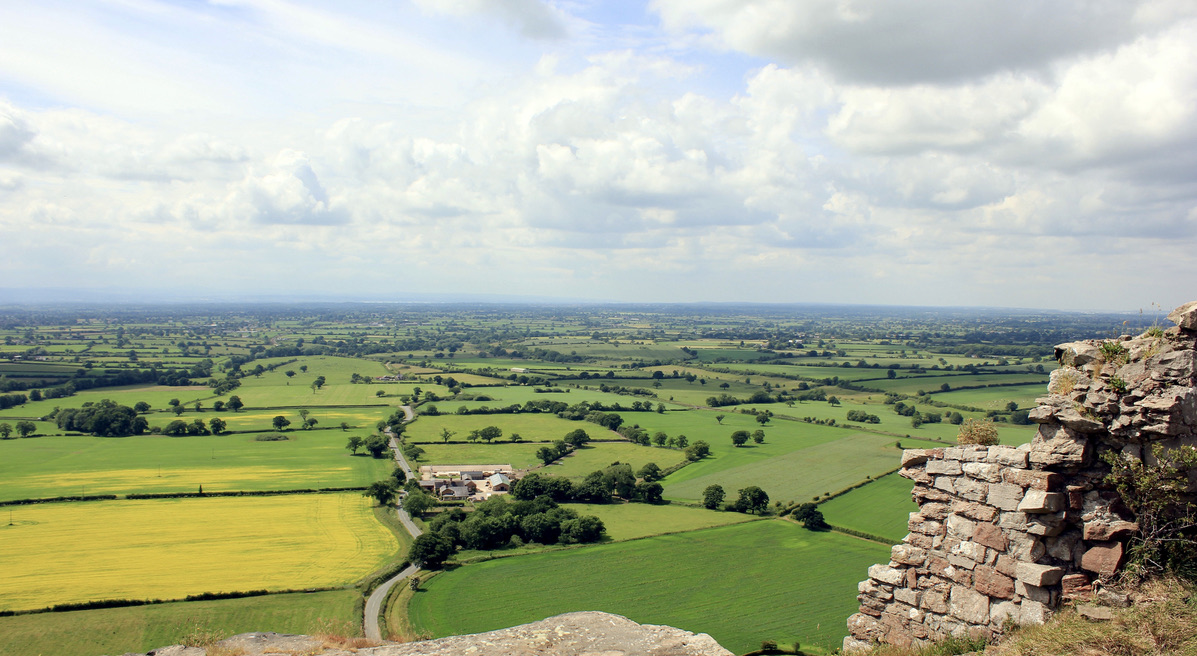
Cheshire's geography is diverse, ranging from the fertile plains along the River Mersey and the Dee Estuary in the north to the rolling hills of the Pennines in the east. The county covers an area that is substantial. Its northern areas are densely populated, home to major towns such as Warrington, Runcorn, Widnes, and Ellesmere Port. The historic city of Chester, known for its Roman walls and medieval 'Rows', lies in the west, while Crewe in the south is a significant railway hub, and Macclesfield in the east is historically associated with silk weaving. The population of the ceremonial county is substantial, reflecting its enduring appeal and economic activity.
📊 Key Facts & Numbers
Cheshire's population is substantial, with figures varying between the ceremonial county and the broader historic county. The county spans an area that is substantial, resulting in a population density that varies significantly between its urban industrial zones and its rural hinterlands. The gross value added (GVA) for Cheshire's economy is substantial, with its key sectors contributing significantly to the North West region's output. For instance, the chemical industry, concentrated in areas like Runcorn and Widnes, is a significant economic contributor. The county is also a major producer of dairy products, with Cheshire cheese being a notable export.
👥 Key People & Organizations
While Cheshire has no single dominant figure, its history is marked by influential individuals and institutions. The Norman Conquest fundamentally reshaped the county, with figures like Hugh d'Avranches, 1st Earl of Chester, playing a pivotal role in establishing palatine authority. In more recent history, the Industrial Revolution saw the rise of industrialists who built significant enterprises, particularly in chemical manufacturing, though specific names are often tied to individual factories rather than broad county-wide recognition. Organizations like Imperial Chemical Industries (ICI), which had massive operations in Runcorn and Wilmslow, were once dominant forces. Today, local government is managed by four unitary authorities: Cheshire East Council, Cheshire West and Chester Council, Halton Borough Council, and Warrington Borough Council.
🌍 Cultural Impact & Influence
Cheshire's cultural impact is most famously embodied by Lewis Carroll's iconic character, the Cheshire Cat, from his novel Alice's Adventures in Wonderland. The enigmatic feline, known for its disembodied grin, is a symbol of the county, appearing on local tourism materials and even influencing local branding. Beyond this literary association, Cheshire's landscape has inspired artists and writers for centuries, from the pastoral scenes depicted by 18th-century landscape painters to the industrial vistas that shaped the region's identity. The county's distinct dialect and local traditions, though perhaps less globally recognized than the Cheshire Cat, contribute to a unique regional culture that is a blend of its agricultural past and industrial present. The city of Chester itself, with its unique medieval architecture, draws significant cultural tourism.
⚡ Current State & Latest Developments
In the present day, Cheshire continues to navigate the balance between its historical identity and modern economic demands. The northern parts of the county, particularly around Warrington and Ellesmere Port, remain significant industrial and logistical hubs, benefiting from proximity to major transport networks like the M56 motorway and Liverpool John Lennon Airport. Efforts are ongoing to diversify the economy, with growth in sectors like advanced manufacturing, digital technology, and creative industries. The county's rural areas continue to be vital for agriculture, though they also face challenges related to land use and environmental sustainability. Local authorities are actively engaged in regeneration projects and infrastructure development to support continued growth and improve quality of life for residents.
🤔 Controversies & Debates
One of the primary debates surrounding Cheshire revolves around its administrative structure and identity. The division into four unitary authorities, while intended to streamline local governance, has led to discussions about a unified Cheshire identity versus the distinct characteristics of each area. Furthermore, the legacy of heavy industry, particularly in the chemical sector, has raised environmental concerns. While significant progress has been made in remediation and regulation since the peak of industrial activity, the long-term impact of past pollution and the ongoing management of industrial sites remain subjects of discussion and scrutiny. The balance between preserving the county's rural charm and accommodating economic development also presents an ongoing tension.
🔮 Future Outlook & Predictions
The future of Cheshire appears to be one of continued adaptation and strategic development. With ongoing investments in infrastructure, particularly in transport links and digital connectivity, the county is positioning itself for future economic growth. The push towards a greener economy is likely to see further development in renewable energy and sustainable practices, impacting both its industrial and agricultural sectors. The potential for increased integration within the Liverpool City Region could also shape its economic and political future. Experts predict a continued focus on high-value manufacturing, research and development, and the service sector, aiming to leverage the county's strategic location and skilled workforce. The challenge will be to foster this growth while preserving the unique character and environmental quality that define Cheshire.
💡 Practical Applications
Cheshire's practical applications are diverse, stemming from its historical and contemporary roles. Its agricultural heritage is directly applied in the production of renowned dairy products, most notably Cheshire cheese, a protected designation of origin (PDO) product. The county's industrial legacy has led to significant expertise in chemical engineering and manufacturing, with companies in Runcorn and Widnes continuing to be at the forefront of chemical innovation, producing everything from pharmaceuticals to industrial materials. The city of Chester serves as a prime example of heritage tourism, with its well-preserved Roman walls and medieval architecture attracting hundreds of thousands of visitors annually, supporting a robust tourism and hospitality sector. Furthermore, its strategic location makes it a vital logistical and distribution hub for businesses operating across the North West of England.
Key Facts
- Category
- culture
- Type
- topic