
Contents
Overview
The genesis of air travel in Chennai traces back to 1915 with the commencement of its first air service, a pioneering step for the region. The airport itself was officially commissioned in 1930, marking a significant milestone in India's early aviation infrastructure. Over the decades, MAA has evolved from a nascent airfield into a sprawling international gateway. Its development mirrors India's post-independence drive for modernization and connectivity, with the Airports Authority of India (AAI) playing a pivotal role in its management and expansion. The airport's strategic importance was further cemented when it became the southern regional headquarters for the AAI, overseeing operations across several southern states and union territories, a testament to its enduring significance in the nation's air transport network.
⚙️ How It Works
Chennai International Airport operates with a complex infrastructure designed to manage high volumes of air traffic. It features two primary asphalt runways, capable of accommodating a wide range of aircraft from narrow-body to wide-body jets. The airport comprises multiple terminals, including the Kamaraj Domestic Terminal and the Anna International Terminal, each dedicated to specific flight types. Advanced air traffic control systems, managed by the Air Traffic Control division of the AAI, ensure the safe and efficient movement of aircraft on the ground and in the air. Baggage handling systems, passenger screening facilities, and extensive ground support equipment are all integrated to facilitate seamless passenger and cargo operations, adhering to international aviation standards set by organizations like the International Civil Aviation Organization (ICAO).
📊 Key Facts & Numbers
In the financial year 2024–25, Chennai International Airport handled an impressive 22 million passengers, solidifying its position as the fifth busiest airport in India by passenger volume. It also processed approximately 0.37 million tonnes of cargo, ranking it fourth nationally for freight movement. Aircraft movements at MAA also place it among the top five busiest airports in the country. The airport offers direct flight connectivity to over 100 destinations, spanning across Asia, the Middle East, and Europe, linking passengers to three continents. Its operational capacity is designed to manage over 1,500 aircraft movements daily during peak periods, a significant figure reflecting its role as a major aviation hub.
👥 Key People & Organizations
The Airports Authority of India (AAI) is the primary governing body responsible for the operations and development of Chennai International Airport. Key individuals within the AAI, such as its Chairman and senior management, oversee strategic decisions regarding infrastructure upgrades and operational efficiency. The airport's day-to-day management involves a vast workforce, including air traffic controllers, ground staff, airline personnel, and security agencies like the Bureau of Civil Aviation Security (BCAS). Major airlines operating significant routes from MAA include Air India, IndiGo, and international carriers like Singapore Airlines and Emirates, all contributing to its vibrant operational ecosystem.
🌍 Cultural Impact & Influence
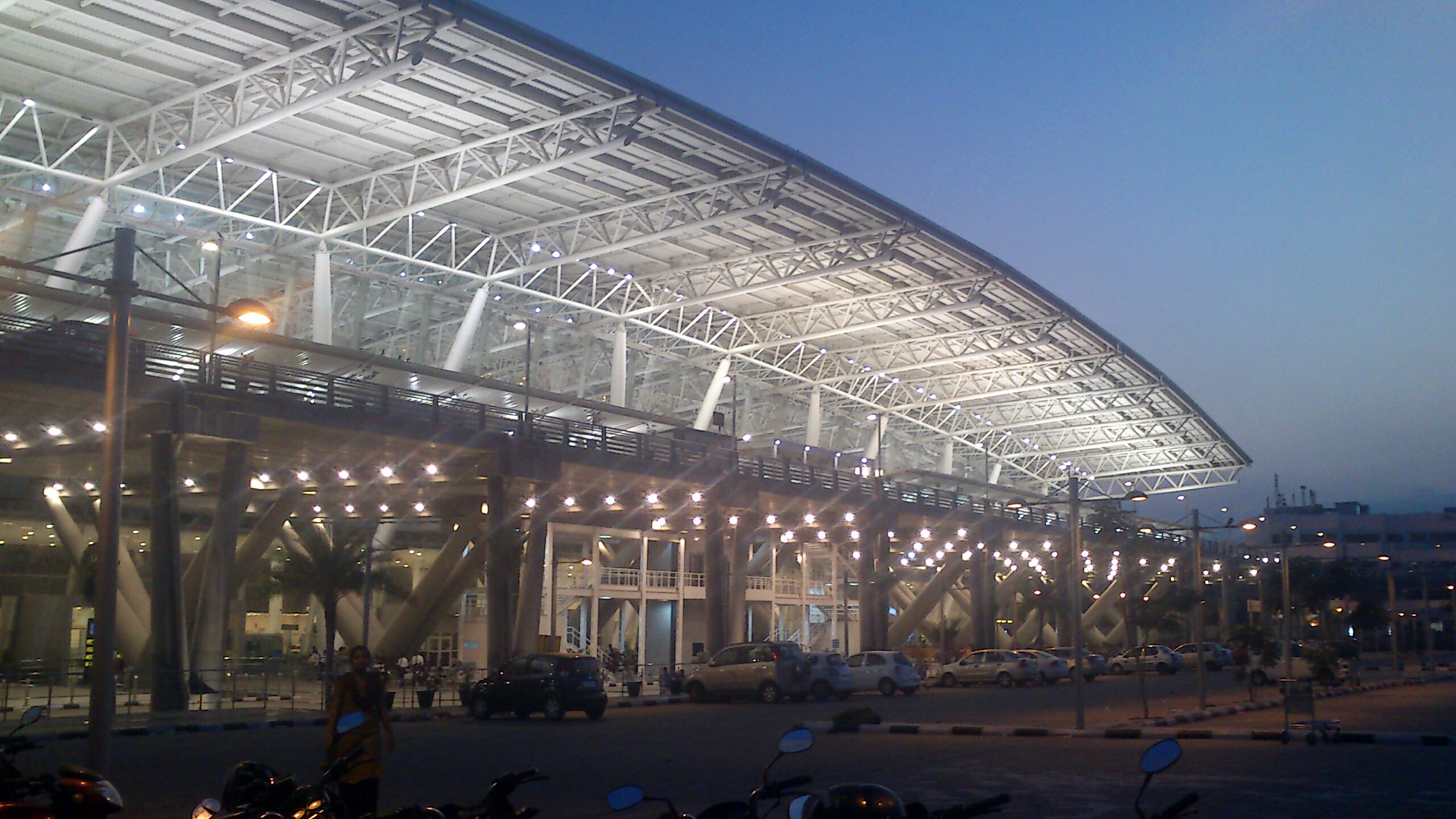
Chennai International Airport serves as a crucial cultural and economic conduit, facilitating the movement of people, goods, and ideas. It is a primary entry point for tourists visiting Tamil Nadu and the broader South Indian region, influencing the local tourism economy. The airport's operations directly support numerous ancillary industries, including hospitality, logistics, and retail, creating employment opportunities and contributing to the Gross Domestic Product (GDP) of the region. The visual iconography of the airport, with its modern architecture and bustling activity, has become a symbol of Chennai's growing global stature and its integration into the international aviation network, as seen in various media portrayals and travelogues.
⚡ Current State & Latest Developments
Recent developments at Chennai International Airport focus on enhancing capacity and passenger experience. The ongoing expansion projects aim to significantly increase passenger handling capabilities, with a new integrated terminal building slated to boost capacity by millions. Efforts are underway to modernize air traffic management systems and improve cargo handling facilities, including the development of a dedicated air cargo complex. The airport is also exploring the integration of advanced technologies for passenger processing, such as biometric boarding and enhanced digital services, to streamline operations and improve passenger flow, aligning with global trends in airport modernization driven by entities like the Airports Council International (ACI).
🤔 Controversies & Debates
A persistent controversy surrounding Chennai International Airport revolves around its capacity constraints and the pace of expansion. Critics argue that the development projects, while substantial, have often lagged behind the rapid growth in air traffic, leading to congestion and delays. Another point of contention is the land acquisition process for future expansions, which can be complex and time-consuming in a densely populated metropolitan area like Chennai. Debates also arise regarding the environmental impact of airport operations, including noise pollution and carbon emissions, prompting calls for more sustainable aviation practices and infrastructure development, a concern echoed at major airports worldwide like Heathrow Airport.
🔮 Future Outlook & Predictions
The future outlook for Chennai International Airport is one of continued growth and modernization. Projections indicate a steady increase in passenger traffic and cargo volumes, necessitating further infrastructure development and technological integration. The airport is expected to play an even more significant role in India's National Infrastructure Pipeline and the government's UDAN (Ude Desh Ka Aam Nagrik) initiative, aiming to enhance regional connectivity. Investments in sustainable aviation technologies, such as electric aircraft charging infrastructure and green building practices, are anticipated. The strategic vision includes positioning MAA as a major international hub, potentially attracting more long-haul routes and becoming a key node in global air cargo networks, competing with other major Asian hubs like Changi Airport and Suvarnabhumi Airport.
💡 Practical Applications
Chennai International Airport serves as a vital hub for numerous practical applications. It is the primary gateway for business travelers and tourists visiting Chennai and surrounding regions, supporting industries like IT, manufacturing, and healthcare. For cargo operations, it facilitates the import and export of goods, ranging from perishable items and pharmaceuticals to electronics and automotive parts, crucial for the economic activity of Tamil Nadu's industrial belt. The airport also functions as a critical point for disaster relief operations, enabling the rapid deployment of personnel and supplies during emergencies, as demonstrated during past flood events in the region. Furthermore, it serves as a training ground for aviation professionals, with various institutions offering courses in aviation management and aeronautical engineering.
Key Facts
- Category
- technology
- Type
- topic