
Contents
Overview
Cesarean section awareness centers on educating expectant parents and the public about the realities of surgical birth, moving beyond its perception as a simple medical procedure. This movement highlights the significant surgical nature of a C-section, its potential risks and benefits, and the recovery process, which often differs substantially from vaginal birth. It aims to foster informed decision-making, reduce unnecessary interventions, and advocate for better support for parents undergoing this procedure. Key aspects include understanding indications for C-sections, the role of anesthesia, postpartum recovery, and the emotional impact on birthing individuals and families. The global rate of C-sections, which has risen dramatically in recent decades, underscores the critical need for comprehensive awareness campaigns.
🎵 Origins & History
The history of the cesarean section is long and often grim, with early accounts suggesting most were performed on deceased mothers, with the intent of saving the child. Early cesarean sections were mostly performed on deceased mothers. The procedure carried an extremely high mortality rate for the mother in early accounts. The development of antibiotics further reduced infection rates, transforming the C-section from a near-certain death sentence into a life-saving intervention for both mother and child in medically indicated circumstances. Awareness campaigns, however, are a much more recent phenomenon, emerging as a response to rising intervention rates and a desire for more patient autonomy in birth choices.
⚙️ How It Works
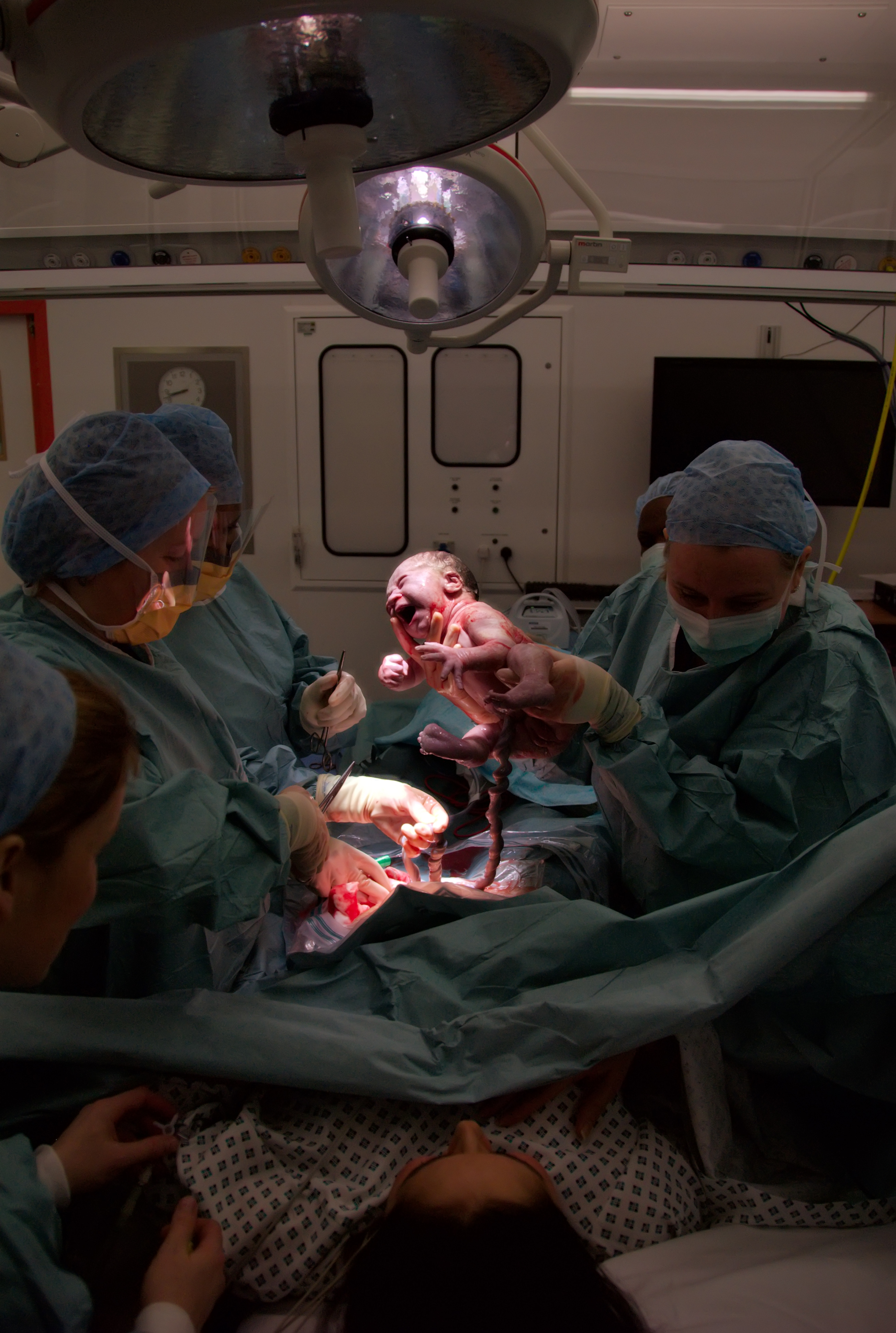
A cesarean section is a major abdominal surgery involving several layers of tissue. It typically begins with the administration of epidural or spinal anesthesia, allowing the birthing person to remain awake while the lower body is numbed. A urinary catheter is inserted to drain the bladder. The surgeon makes an incision through the abdominal wall, often a low transverse 'bikini cut' (known as a Pfannenstiel incision), though a vertical incision may be necessary in emergencies. The uterus is then carefully incised, and the baby is delivered. After delivery, the placenta is removed, and all layers of the abdominal wall and uterus are meticulously closed with sutures.
📊 Key Facts & Numbers
Neonatal intensive care unit (NICU) admissions are higher for babies born via C-section compared to vaginal births. The cultural perception of the cesarean section has shifted from a rare, life-saving emergency to a more commonplace, sometimes elective, procedure. This shift has influenced media portrayals, with C-sections depicted in dramas and reality shows, often without full context. Awareness campaigns have pushed back against the normalization of unnecessary C-sections, emphasizing the surgical risks and the importance of the birth experience for maternal-infant bonding. The rise of body positivity movements has also touched upon birth experiences, encouraging acceptance of all birth outcomes, including C-sections. However, the stigma associated with surgical birth, sometimes perceived as a 'failure' to achieve a vaginal birth, remains a significant cultural hurdle that awareness efforts aim to dismantle.
👥 Key People & Organizations
Vaginal birth after cesarean (VBAC) education and support are increasingly emphasized, aiming to empower individuals to consider VBAC when medically appropriate. Public health campaigns are increasingly targeting healthcare providers to encourage adherence to evidence-based guidelines and reduce the rate of non-medically indicated C-sections. The development of minimally invasive surgical techniques and improved postoperative care are also shaping the landscape of C-section awareness, focusing on faster recovery and reduced complications.
🌍 Cultural Impact & Influence
Some studies suggest potential links between C-sections and conditions like asthma and obesity in children, though causality is complex and debated.
⚡ Current State & Latest Developments
As of 2024, cesarean section awareness continues to gain traction, driven by ongoing research into optimal birth practices and a growing demand for patient-centered care. Initiatives like the CALM Birth Project focus on reducing anxiety around birth, including C-sections. There's a growing emphasis on vaginal birth after cesarean (VBAC) education and support, aiming to empower individuals to consider VBAC when medically appropriate. Public health campaigns are increasingly targeting healthcare providers to encourage adherence to evidence-based guidelines and reduce the rate of non-medically indicated C-sections. The development of minimally invasive surgical techniques and improved postoperative care are also shaping the landscape of C-section awareness, focusing on faster recovery and reduced complications.
🤔 Controversies & Debates
The most significant controversy surrounding cesarean sections is the global variation in rates and the debate over elective versus medically indicated procedures. While the WHO recommends rates between 10-15%, many countries far exceed this, leading to questions about overuse and the influence of factors like litigation fears, convenience for providers, and financial incentives. Another debate centers on the definition of 'medically necessary' and the extent to which patient preference should influence surgical decisions. The long-term effects of C-sections on the infant microbiome and maternal health are also areas of ongoing research and discussion, with some studies suggesting potential links to conditions like asthma and obesity in children, though causality is complex and debated.
🔮 Future Outlook & Predictions
The future of cesarean section awareness will likely focus on further reducing unnecessary procedures through enhanced education for both patients and providers, and by promoting shared decision-making grounded in evidence. Expect to see more emphasis on natural childbirth preparation that includes comprehensive information about C-sections as a potential outcome, rather than an anomaly. Innovations in surgical technology, such as robotic-assisted C-sections, may also influence awareness by potentially leading to less invasive procedures and faster recovery times. Furthermore, greater attention will be paid to the psychological and emotional well-being of individuals who undergo C-sections, with increased integration of mental health support into postpartum care. The goal is a future where C-sections are performed only when truly necessary, with informed consent, and with robust support for recovery.
💡 Practical Applications
Cesarean section awareness has direct practical applications in prenatal education, empowering expectant parents to have informed discussions with their healthcare providers about birth plans and potential interventions. It informs the development of hospital policies and clinical guidelines aimed at optimizing C-section rates. For individuals who have had a C-section, awareness resources provide crucial information and support for subsequent pregnancies, particularly regarding VBAC options. It also influences the design of maternity care models that prioritize physiological birth while ensuring safe surgical options are available when needed. Understanding the recovery process, including scar management and pelvic floor rehabilitation, is another key practical outcome of increased awareness.
Key Facts
- Category
- culture
- Type
- topic