
Contents
Overview
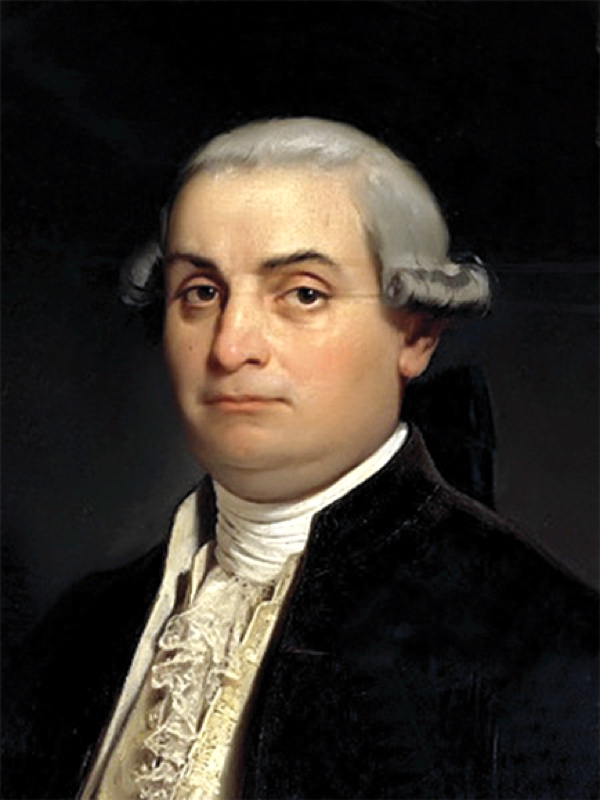
Cesare Beccaria was born on March 15, 1738, in Milan, Italy, to a noble family. He studied law at the University of Pavia, where he was heavily influenced by the works of Enlightenment thinkers such as Voltaire, Rousseau, and Montesquieu. Beccaria's early life and education laid the foundation for his future work in criminology, which was shaped by his interactions with prominent figures of the time, including Denis Diderot and Jean le Rond d'Alembert. The ideas of these thinkers, particularly their emphasis on reason, individual rights, and social contract theory, are reflected in Beccaria's own work, as seen in the writings of John Locke and the philosophical underpinnings of the American Revolution.
📖 On Crimes and Punishments
Beccaria's most famous work, 'On Crimes and Punishments', was published in 1764 and quickly gained international attention. The book's central argument is that punishment should be proportionate to the crime, and that the primary goal of punishment should be to deter future crimes, rather than simply to punish the offender. Beccaria's ideas were revolutionary for their time, and his book has been praised by thinkers such as Jeremy Bentham, who credited Beccaria with laying the foundation for the utilitarian approach to ethics. The influence of Beccaria's work can be seen in the development of modern penal codes, such as the Napoleonic Code, and in the writings of prominent criminologists, including Émile Durkheim and Michel Foucault.
🌎 Influence and Legacy
Beccaria's influence extends far beyond the field of criminology. His ideas about human rights, proportionality, and deterrence have had a lasting impact on the development of modern justice systems around the world. The United States, for example, has been shaped by the ideas of Beccaria, as reflected in the Eighth Amendment to the US Constitution, which prohibits cruel and unusual punishment. Similarly, the European Convention on Human Rights, established in the aftermath of World War II, reflects Beccaria's emphasis on human dignity and the protection of individual rights. The work of Beccaria has also been influential in the development of international human rights law, as seen in the writings of thinkers such as Hannah Arendt and the establishment of the United Nations Universal Declaration of Human Rights.
👥 Criticisms and Controversies
Despite Beccaria's significant contributions to the field of criminology, his work has not been without criticism. Some have argued that his emphasis on deterrence and proportionality can lead to overly harsh punishments, while others have criticized his lack of attention to the social and economic roots of crime. Additionally, Beccaria's work has been criticized for its Eurocentric perspective, which has been seen as neglecting the experiences and perspectives of non-Western cultures. However, Beccaria's legacy continues to be felt, with his ideas remaining a central part of ongoing debates about justice, punishment, and human rights, as seen in the work of contemporary thinkers such as Angela Davis and Michelle Alexander.
Key Facts
- Year
- 1738-1794
- Origin
- Milan, Italy
- Category
- history
- Type
- person
Frequently Asked Questions
What was Beccaria's most famous work?
Beccaria's most famous work is 'On Crimes and Punishments', published in 1764.
What were Beccaria's main ideas about punishment?
Beccaria believed that punishment should be proportionate to the crime, and that the primary goal of punishment should be to deter future crimes.
How did Beccaria's work influence the development of modern justice systems?
Beccaria's work has had a lasting impact on the development of modern justice systems, with his ideas about human rights, proportionality, and deterrence influencing the development of penal codes and justice systems around the world.
What are some criticisms of Beccaria's work?
Some criticisms of Beccaria's work include his emphasis on deterrence and proportionality, which can lead to overly harsh punishments, and his lack of attention to the social and economic roots of crime.
How does Beccaria's work continue to be relevant today?
Beccaria's work continues to be relevant today, with his ideas about justice, punishment, and human rights remaining a central part of ongoing debates about justice and human rights.