
Contents
- 🎵 Origins & History
- ⚙️ How It Works
- 📊 Key Facts & Numbers
- 👥 Key People & Organizations
- 🌍 Cultural Impact & Influence
- ⚡ Current State & Latest Developments
- 🤔 Controversies & Debates
- 🔮 Future Outlook & Predictions
- 💡 Practical Applications
- 📚 Related Topics & Deeper Reading
- Frequently Asked Questions
- References
- Related Topics
Overview
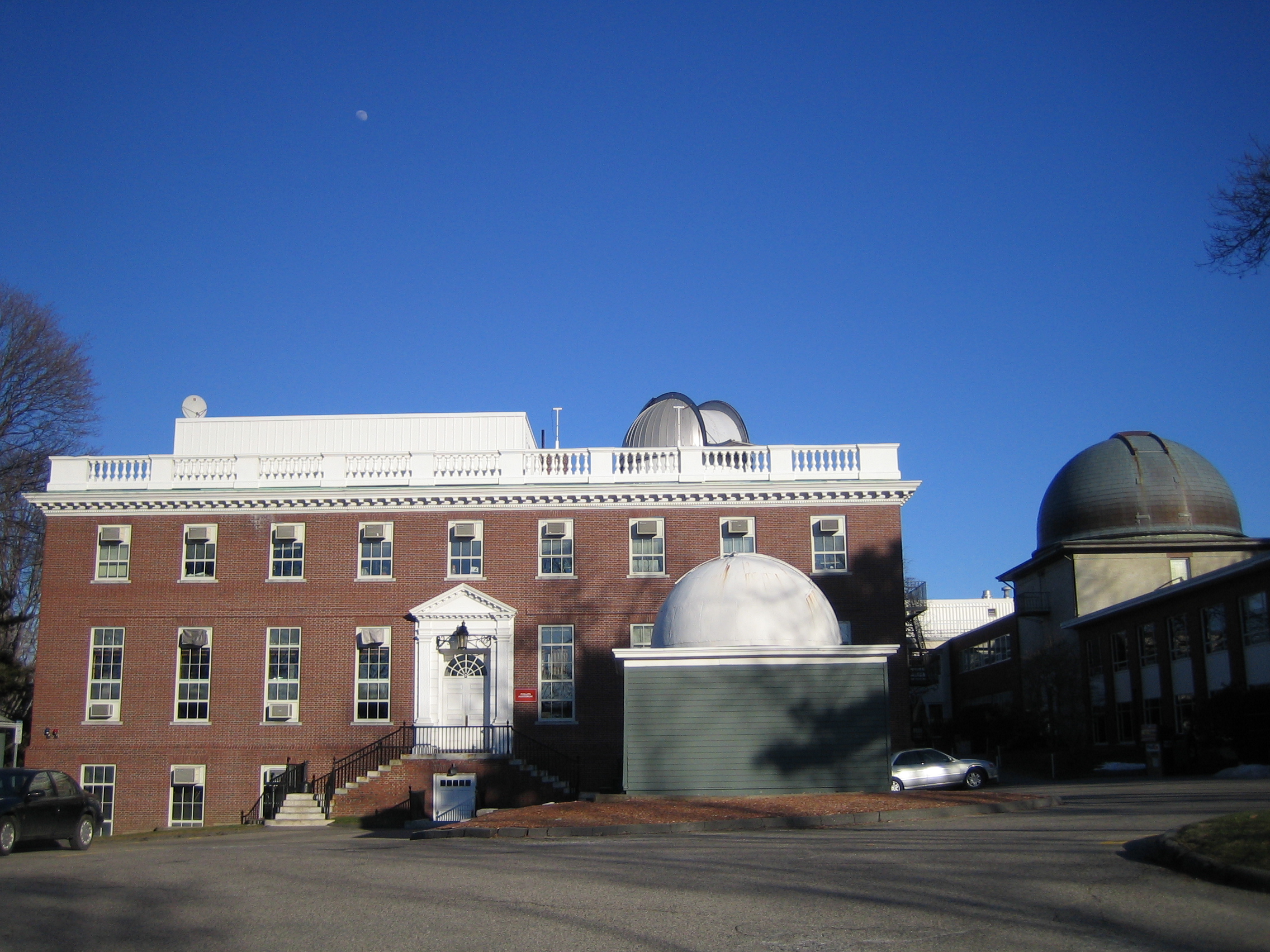
The Center for Astrophysics | Harvard & Smithsonian (CfA) is a premier research institute dedicated to advancing our understanding of the universe. Founded in 1973, the CfA is a collaboration between the Harvard College Observatory and the Smithsonian Astrophysical Observatory, leading a broad program of research in astronomy, astrophysics, Earth and space sciences, and science education. With over 850 scientists, engineers, and support staff, the CfA is one of the largest astronomical research institutes in the world, operating or participating in more than fifteen ground- and space-based observatories, including the Chandra X-ray Observatory and the forthcoming Giant Magellan Telescope (GMT). The CfA's research has led to numerous groundbreaking discoveries, including Nobel Prize-winning advances in cosmology. By exploring the universe across the electromagnetic spectrum, the CfA continues to push the boundaries of human knowledge, inspiring future generations of scientists and engineers. With its rich history, diverse research portfolio, and commitment to science education, the CfA is a hub for astronomical innovation and discovery. The CfA's work has far-reaching implications, from understanding the origins of the universe to addressing pressing global challenges, such as climate change and sustainable energy. As a leader in the field of astrophysics, the CfA collaborates with renowned institutions, including NASA, the European Space Agency, and the National Science Foundation, to advance our understanding of the cosmos and its many mysteries.
🎵 Origins & History
The Center for Astrophysics | Harvard & Smithsonian (CfA) was founded in 1973 as a collaboration between the Harvard College Observatory and the Smithsonian Astrophysical Observatory. The CfA's origins date back to the 19th century, when the Harvard College Observatory was established in 1839, and the Smithsonian Astrophysical Observatory was founded in 1890. The merger of these two institutions in 1973 created one of the largest and most prestigious astronomical research institutes in the world. The CfA's early years were marked by significant discoveries, including the detection of dark energy by Adam Riess and the High-Z Supernova Search Team. Today, the CfA is a global leader in astrophysical research, with a diverse portfolio of projects and collaborations, including the Chandra X-ray Observatory and the Giant Magellan Telescope.
⚙️ How It Works
The CfA's research program is designed to advance our understanding of the universe, from the formation of stars and galaxies to the properties of dark matter and dark energy. The CfA operates or participates in more than fifteen ground- and space-based observatories, including the Chandra X-ray Observatory, the Spitzer Space Telescope, and the ATLAS 3D Project. The CfA's scientists and engineers use a range of techniques, from observations and simulations to laboratory experiments and theoretical modeling, to study the universe across the electromagnetic spectrum. The CfA's research has led to numerous breakthroughs, including the discovery of exoplanets by David Charbonneau and the Transiting Exoplanet Survey Satellite (TESS).
📊 Key Facts & Numbers
The CfA is one of the largest astronomical research institutes in the world, with over 850 scientists, engineers, and support staff. The CfA's research program is supported by a range of funding agencies, including NASA, the National Science Foundation, and the Smithsonian Institution. The CfA has a strong commitment to science education and outreach, with programs designed to inspire and educate the next generation of scientists and engineers. The CfA's scientists and engineers have received numerous awards and honors for their research, including the Nobel Prize in Physics, which was awarded to Adam Riess and the High-Z Supernova Search Team in 2011. The CfA's research has also been recognized by the American Physical Society and the American Astronomical Society.
👥 Key People & Organizations
The CfA is led by a team of experienced scientists and administrators, including the Director, Lisa Kewley, and the Deputy Director, Joshua Bloom. The CfA's scientists and engineers are organized into several research divisions, including the Division of Astrophysics, the Division of Earth and Planetary Sciences, and the Division of Science Education. The CfA collaborates with a range of institutions and organizations, including Harvard University, the Smithsonian Institution, and NASA. The CfA's research has been influenced by the work of renowned scientists, including Stephen Hawking and Neil deGrasse Tyson.
🌍 Cultural Impact & Influence
The CfA's research has had a significant impact on our understanding of the universe, from the formation of stars and galaxies to the properties of dark matter and dark energy. The CfA's discoveries have been recognized by the scientific community, with numerous awards and honors, including the Nobel Prize in Physics. The CfA's research has also had a significant impact on science education and outreach, with programs designed to inspire and educate the next generation of scientists and engineers. The CfA's commitment to diversity and inclusion has created a welcoming environment for scientists and engineers from all backgrounds, including women in STEM and underrepresented minorities in STEM. The CfA's research has been featured in a range of media outlets, including The New York Times, Nature, and Science.
⚡ Current State & Latest Developments
The CfA is currently involved in a range of research projects, including the development of the Giant Magellan Telescope and the Square Kilometre Array. The CfA is also participating in several NASA missions, including the James Webb Space Telescope and the Wide-Field Infrared Survey Telescope. The CfA's scientists and engineers are working on a range of topics, from the formation of stars and galaxies to the properties of dark matter and dark energy. The CfA's research is supported by a range of funding agencies, including NASA, the National Science Foundation, and the Smithsonian Institution. The CfA's scientists and engineers are collaborating with researchers from around the world, including University of Cambridge and California Institute of Technology.
🤔 Controversies & Debates
The CfA's research has been the subject of some controversy, particularly with regards to the use of telescope time and the allocation of funding. The CfA has also been involved in several high-profile debates, including the debate over the existence of dark matter and the properties of dark energy. The CfA's scientists and engineers have been at the forefront of these debates, with several researchers, including Lisa Kewley and Joshua Bloom, contributing to the discussion. The CfA's commitment to diversity and inclusion has also been the subject of some controversy, with some critics arguing that the CfA has not done enough to address issues of diversity in STEM.
🔮 Future Outlook & Predictions
The CfA's future outlook is bright, with several new research projects and initiatives on the horizon. The CfA is currently developing the Giant Magellan Telescope, which is expected to be one of the most powerful telescopes in the world. The CfA is also participating in several NASA missions, including the James Webb Space Telescope and the Wide-Field Infrared Survey Telescope. The CfA's scientists and engineers are working on a range of topics, from the formation of stars and galaxies to the properties of dark matter and dark energy. The CfA's research is expected to continue to have a significant impact on our understanding of the universe, with several new discoveries and breakthroughs expected in the coming years. The CfA's commitment to diversity and inclusion is also expected to continue, with several new initiatives and programs designed to promote diversity and inclusion in STEM.
💡 Practical Applications
The CfA's research has several practical applications, from the development of new technologies to the improvement of our understanding of the universe. The CfA's scientists and engineers are working on a range of topics, from the formation of stars and galaxies to the properties of dark matter and dark energy. The CfA's research has led to several new technologies, including the development of CCD cameras and the ATLAS 3D Project. The CfA's research has also had a significant impact on our understanding of the universe, with several new discoveries and breakthroughs expected in the coming years. The CfA's commitment to diversity and inclusion has also led to several new initiatives and programs designed to promote diversity and inclusion in STEM.
Key Facts
- Year
- 1973
- Origin
- Cambridge, Massachusetts, United States
- Category
- science
- Type
- organization
Frequently Asked Questions
What is the Center for Astrophysics?
The Center for Astrophysics | Harvard & Smithsonian (CfA) is a premier research institute dedicated to advancing our understanding of the universe. Founded in 1973, the CfA is a collaboration between the Harvard College Observatory and the Smithsonian Astrophysical Observatory, leading a broad program of research in astronomy, astrophysics, Earth and space sciences, and science education.
What are the CfA's research areas?
The CfA's research program is designed to advance our understanding of the universe, from the formation of stars and galaxies to the properties of dark matter and dark energy. The CfA operates or participates in more than fifteen ground- and space-based observatories, including the Chandra X-ray Observatory and the Giant Magellan Telescope.
Who are the CfA's key people?
The CfA is led by a team of experienced scientists and administrators, including the Director, Lisa Kewley, and the Deputy Director, Joshua Bloom. The CfA's scientists and engineers are organized into several research divisions, including the Division of Astrophysics, the Division of Earth and Planetary Sciences, and the Division of Science Education.
What are the CfA's practical applications?
The CfA's research has several practical applications, from the development of new technologies to the improvement of our understanding of the universe. The CfA's scientists and engineers are working on a range of topics, from the formation of stars and galaxies to the properties of dark matter and dark energy.
How does the CfA contribute to science education?
The CfA has a strong commitment to science education and outreach, with programs designed to inspire and educate the next generation of scientists and engineers. The CfA's scientists and engineers are working on a range of topics, from the formation of stars and galaxies to the properties of dark matter and dark energy.
What are the CfA's future plans?
The CfA's future outlook is bright, with several new research projects and initiatives on the horizon. The CfA is currently developing the Giant Magellan Telescope, which is expected to be one of the most powerful telescopes in the world. The CfA is also participating in several NASA missions, including the James Webb Space Telescope and the Wide-Field Infrared Survey Telescope.
How does the CfA collaborate with other institutions?
The CfA collaborates with a range of institutions and organizations, including Harvard University, the Smithsonian Institution, and NASA. The CfA's scientists and engineers are working on a range of topics, from the formation of stars and galaxies to the properties of dark matter and dark energy.
What are the CfA's notable achievements?
The CfA's research has led to several notable achievements, including the detection of exoplanets and the Transiting Exoplanet Survey Satellite (TESS). The CfA's scientists and engineers have received numerous awards and honors for their research, including the Nobel Prize in Physics.
How does the CfA address diversity and inclusion?
The CfA is committed to diversity and inclusion, with several initiatives and programs designed to promote diversity and inclusion in STEM. The CfA's scientists and engineers are working on a range of topics, from the formation of stars and galaxies to the properties of dark matter and dark energy.
What are the CfA's research facilities?
The CfA operates or participates in more than fifteen ground- and space-based observatories, including the Chandra X-ray Observatory and the Giant Magellan Telescope. The CfA's scientists and engineers are working on a range of topics, from the formation of stars and galaxies to the properties of dark matter and dark energy.