
Contents
- 📱 Origins & History
- 📍 How It Works
- 📊 Key Facts & Numbers
- 👥 Key People & Organizations
- 🌍 Cultural Impact & Influence
- ⚡ Current State & Latest Developments
- 🤔 Controversies & Debates
- 🔮 Future Outlook & Predictions
- 💡 Practical Applications
- 📚 Related Topics & Deeper Reading
- Frequently Asked Questions
- References
- Related Topics
Overview
Cell phone tracking refers to the process of identifying the location of a mobile phone, whether stationary or moving, using various technologies such as multilateration of radio signals between cell towers and GPS tracking. This process has significant implications for location-based services, surveillance, and privacy. With the rise of GSM and GPS tracking, mobile phone tracking has become increasingly accurate and widespread. However, concerns about privacy and surveillance have led to ongoing debates about the use of cell phone tracking. As of 2022, the global market for location-based services was valued at over $10 billion, with major players like Google and Apple investing heavily in this space. The use of cell phone tracking has also been linked to various high-profile cases, including the NSA surveillance scandal and the Facebook-Cambridge Analytica data breach.
📱 Origins & History
The concept of cell phone tracking dates back to the early 1990s, when the first GPS satellites were launched. However, it wasn't until the widespread adoption of mobile phones in the late 1990s and early 2000s that cell phone tracking became a significant concern. The development of GSM and CDMA technologies enabled mobile phones to be tracked using multilateration of radio signals between cell towers. Today, companies like Verizon and AT&T use cell phone tracking to provide location-based services to their customers.
📍 How It Works
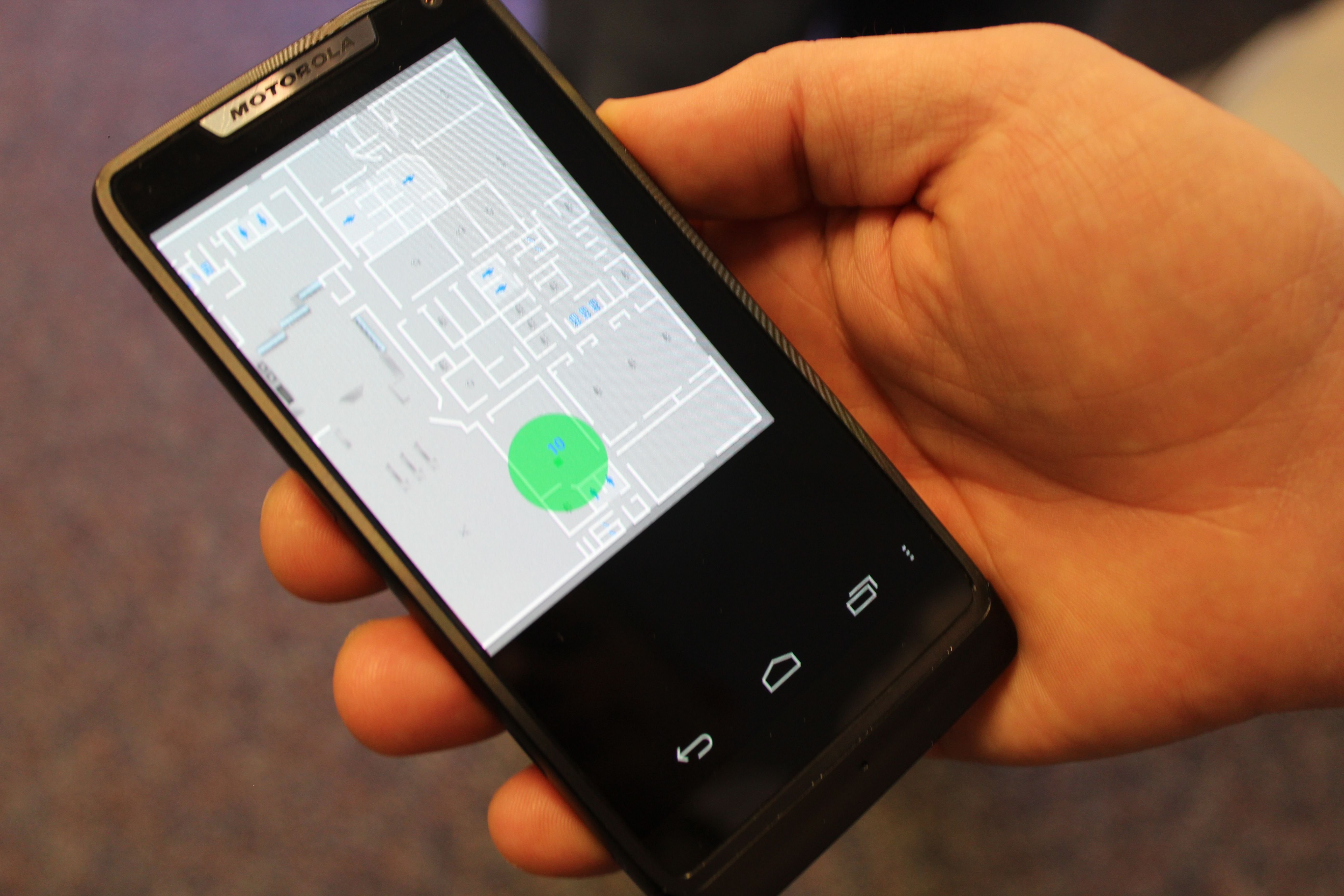
Cell phone tracking works by using the multilateration of radio signals between cell towers and the phone or by using GPS tracking. The phone must emit at least the idle signal to contact nearby antenna towers and does not require an active call. The GSM is based on the phone's signal strength to nearby antenna masts. This process can be used to approximate the location of a mobile phone, and thereby also its user. For example, Uber uses cell phone tracking to connect drivers with passengers and to provide estimated arrival times.
📊 Key Facts & Numbers
According to a report by Market Research Firm, the global market for location-based services was valued at over $10 billion in 2022. The report also found that the use of cell phone tracking is expected to increase by 20% annually over the next five years. Companies like Google and Apple are investing heavily in this space, with Google's Google Maps and Apple's Apple Maps being two of the most popular location-based services. In 2020, Facebook acquired Giphy, a company that provides location-based services for social media platforms.
👥 Key People & Organizations
Key people and organizations involved in cell phone tracking include John Olson, the founder of Verizon, and Steve Jobs, the co-founder of Apple. Other notable companies involved in cell phone tracking include AT&T, T-Mobile, and Sprint. These companies have been at the forefront of developing and implementing cell phone tracking technologies. For example, AT&T has developed a system that uses cell phone tracking to provide location-based services for emergency responders.
🌍 Cultural Impact & Influence
Cell phone tracking has had a significant cultural impact, with many people using location-based services to navigate their daily lives. However, concerns about privacy and surveillance have led to ongoing debates about the use of cell phone tracking. The use of cell phone tracking has also been linked to various high-profile cases, including the NSA surveillance scandal and the Facebook-Cambridge Analytica data breach. In response to these concerns, companies like Signal and WhatsApp have developed end-to-end encryption technologies to protect user data.
⚡ Current State & Latest Developments
As of 2022, the current state of cell phone tracking is one of rapid development and increasing accuracy. Companies like Google and Apple are investing heavily in this space, with Google's Google Maps and Apple's Apple Maps being two of the most popular location-based services. However, concerns about privacy and surveillance continue to be a major issue. In 2020, the EU implemented the GDPR, a regulation that provides strict guidelines for the use of personal data, including location data.
🤔 Controversies & Debates
The use of cell phone tracking has been the subject of much controversy and debate. Many people are concerned about the potential for surveillance and the impact on privacy. Others argue that cell phone tracking is a necessary tool for law enforcement and emergency responders. The debate surrounding cell phone tracking is complex and multifaceted, with different perspectives and opinions on the issue. For example, Edward Snowden has spoken out against the use of cell phone tracking, citing concerns about mass surveillance.
🔮 Future Outlook & Predictions
Looking to the future, it is likely that cell phone tracking will continue to play a major role in our daily lives. Companies like Google and Apple will continue to invest in this space, and new technologies like 5G will enable even more accurate and widespread tracking. However, concerns about privacy and surveillance will need to be addressed in order to ensure that cell phone tracking is used responsibly. In 2025, the ITU is expected to release new guidelines for the use of cell phone tracking, which will provide a framework for companies to follow.
💡 Practical Applications
Cell phone tracking has many practical applications, including location-based services, emergency response, and surveillance. Companies like Uber and Lyft use cell phone tracking to connect drivers with passengers and to provide estimated arrival times. Law enforcement agencies also use cell phone tracking to track suspects and to respond to emergencies. For example, the FBI has used cell phone tracking to track down suspects in high-profile cases.
Key Facts
- Year
- 2022
- Origin
- Global
- Category
- technology
- Type
- technology
Frequently Asked Questions
What is cell phone tracking?
Cell phone tracking is a process for identifying the location of a mobile phone, whether stationary or moving, using various technologies such as multilateration of radio signals between cell towers and GPS tracking. This process has significant implications for location-based services and surveillance. For example, Google uses cell phone tracking to provide location-based services for its users.
How does cell phone tracking work?
Cell phone tracking works by using the multilateration of radio signals between cell towers and the phone or by using GPS tracking. The phone must emit at least the idle signal to contact nearby antenna towers and does not require an active call. The Global System for Mobile Communications (GSM) is based on the phone's signal strength to nearby antenna masts. Companies like AT&T and Verizon use cell phone tracking to provide location-based services for their customers.
What are the implications of cell phone tracking for privacy?
The use of cell phone tracking has significant implications for privacy, as it allows companies and governments to track the location of individuals. This has led to ongoing debates about the use of cell phone tracking and the need for regulations to protect individual privacy. For example, the EU has implemented the GDPR, a regulation that provides strict guidelines for the use of personal data, including location data.
What are the practical applications of cell phone tracking?
Cell phone tracking has many practical applications, including location-based services, emergency response, and surveillance. Companies like Uber and Lyft use cell phone tracking to connect drivers with passengers and to provide estimated arrival times. Law enforcement agencies also use cell phone tracking to track suspects and to respond to emergencies.
What are the concerns surrounding cell phone tracking?
The use of cell phone tracking has been the subject of much controversy and debate. Many people are concerned about the potential for surveillance and the impact on privacy. Others argue that cell phone tracking is a necessary tool for law enforcement and emergency responders. The debate surrounding cell phone tracking is complex and multifaceted, with different perspectives and opinions on the issue.
How is cell phone tracking used in emergency response?
Cell phone tracking is used in emergency response to track the location of individuals in need of assistance. This allows emergency responders to quickly and accurately locate individuals and provide aid. For example, the FBI has used cell phone tracking to track down suspects in high-profile cases.
What is the future of cell phone tracking?
The future of cell phone tracking is likely to be shaped by advances in technology and changes in regulations. Companies like Google and Apple will continue to invest in this space, and new technologies like 5G will enable even more accurate and widespread tracking. However, concerns about privacy and surveillance will need to be addressed in order to ensure that cell phone tracking is used responsibly.
How does cell phone tracking impact location-based services?
Cell phone tracking has a significant impact on location-based services, as it allows companies to provide more accurate and personalized services to their customers. For example, Google uses cell phone tracking to provide location-based services for its users, including directions and recommendations.
What are the benefits of cell phone tracking for law enforcement?
The benefits of cell phone tracking for law enforcement include the ability to track suspects and to respond to emergencies. Cell phone tracking also allows law enforcement agencies to gather evidence and to build cases against suspects. For example, the FBI has used cell phone tracking to track down suspects in high-profile cases.
How does cell phone tracking impact surveillance?
The impact of cell phone tracking on surveillance is significant, as it allows companies and governments to track the location of individuals. This has led to ongoing debates about the use of cell phone tracking and the need for regulations to protect individual privacy. For example, the EU has implemented the GDPR, a regulation that provides strict guidelines for the use of personal data, including location data.