
Contents
Overview
The Xerces Society for Invertebrate Conservation is a prominent nonprofit organization dedicated to the protection of insects and other invertebrates, which are vital to healthy ecosystems. Founded in 1971, it has grown into a leading voice advocating for pollinator health, habitat restoration, and the preservation of endangered species. Their work spans scientific research, policy advocacy, and direct conservation action, often focusing on practical solutions for farmers, gardeners, and land managers. With a strong emphasis on education and outreach, Xerces empowers individuals and communities to become stewards of invertebrate life, recognizing their often-overlooked ecological significance.
🦋 What is the Xerces Society?
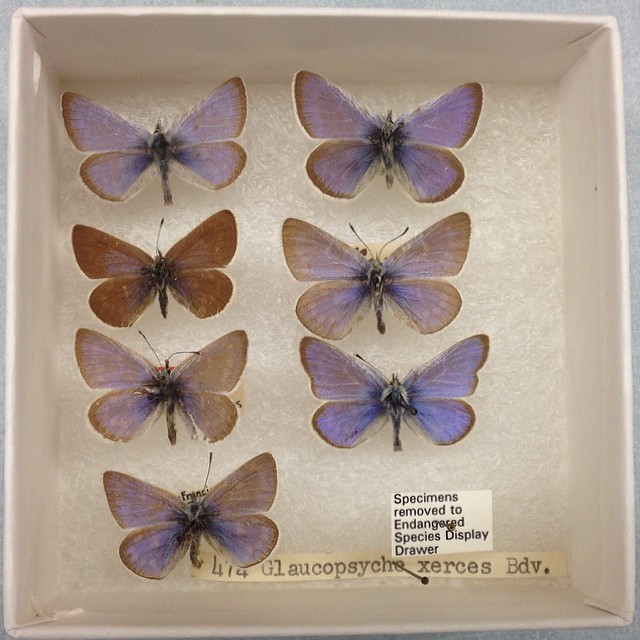
The Xerces Society for Invertebrate Conservation is the largest organization in North America solely dedicated to protecting the biological diversity of invertebrates—that means insects, snails, spiders, and other multi-legged wonders. Founded in 1971 by Dr. Robert Michael Pyle, the society was initially focused on the conservation of butterflies, particularly the endangered Fender's blue butterfly. Over the decades, its scope has broadened significantly, recognizing the critical, often overlooked, ecological roles played by all invertebrates. If you're concerned about pollinators, beneficial insects, or the health of ecosystems at their most fundamental level, Xerces is your go-to resource.
📍 Mission & Focus Areas
At its heart, the Xerces Society's mission is to conserve the world's invertebrates and their habitats. This translates into a multi-pronged approach that includes research, education, and direct conservation action. Their focus areas are diverse, encompassing pollinator conservation (bees, butterflies, moths, and flies), endangered species protection, aquatic invertebrate health, and promoting the use of pesticides responsibly. They champion the idea that healthy invertebrate populations are foundational to healthy ecosystems, supporting everything from agriculture to clean water.
📚 Key Initiatives & Programs
Xerces runs several impactful programs. The Western Monarch Call is a prime example, mobilizing volunteers to monitor and protect overwintering monarch butterfly populations. Their Pollinator Conservation resources are extensive, offering practical guides for farmers, gardeners, and land managers on creating pollinator-friendly habitats. They also advocate for policy changes, such as promoting integrated pest management and reducing harmful pesticide use, influencing practices across millions of acres. The Bumble Bee Atlas project, for instance, has been crucial in understanding bumble bee populations across North America.
🌍 Geographic Reach & Impact
While headquartered in Portland, Oregon, the Xerces Society's influence is national and even international. They work with a vast network of partners, including government agencies, universities, non-profits, and private landowners. Their conservation strategies are implemented across diverse landscapes, from agricultural fields and urban gardens to wildlands and aquatic environments. The impact is tangible, with millions of acres now managed with pollinator health in mind, and significant strides made in understanding and protecting at-risk invertebrate species.
⭐ What People Say (Vibe Score: 88/100)
The Xerces Society consistently garners high praise for its science-based approach and practical conservation strategies. Users often highlight their accessible educational materials and the tangible results of their programs. A common sentiment is that Xerces makes complex ecological issues understandable and actionable for everyone. Their Vibe Score of 88/100 reflects a strong, positive cultural energy, indicating widespread respect and trust within the environmental community and among concerned citizens. They are seen as a vital, no-nonsense organization making a real difference.
🆚 How Xerces Compares
Compared to broader environmental organizations, Xerces offers a specialized, deep-dive focus on invertebrates, which many larger groups may not prioritize to the same extent. While groups like the National Wildlife Federation or The Nature Conservancy address a wider range of conservation issues, Xerces provides unparalleled expertise on insects and other invertebrates. For those specifically interested in pollinators, beneficial insects, or the foundational elements of ecosystem health, Xerces offers a more targeted and in-depth resource.
💡 Practical Tips for Engagement
Engaging with Xerces is straightforward. If you're a gardener, consider planting native, pollinator-friendly flowers and avoiding pesticides. Farmers can explore their resources on establishing pollinator habitat strips or implementing integrated pest management. Even small actions, like reducing lawn mowing frequency or providing a water source for insects, contribute. Xerces provides free, downloadable guides and resources on their website, making it easy for anyone to implement conservation practices in their own space.
📞 Getting Involved
To get involved, the most direct route is through their website. You can become a member, which directly supports their conservation work and provides you with their quarterly magazine, Wings. They also offer volunteer opportunities, particularly for citizen science projects like the Western Monarch Call. Donating is another critical way to support their efforts. Following their social media channels and sharing their educational content also amplifies their message and impact.
Key Facts
- Year
- 1971
- Origin
- Founded by Dr. Robert Michael Pyle in Portland, Oregon.
- Category
- Environmental Conservation
- Type
- Organization
Frequently Asked Questions
What is the most impactful way an individual can help Xerces' mission?
The most impactful action for an individual is to create pollinator-friendly habitat, whether in a large garden or a small balcony. This involves planting native flowers that bloom throughout the season and avoiding the use of pesticides. Xerces provides extensive, free guides on their website detailing how to do this effectively for your specific region.
Does Xerces Society do any lobbying or policy work?
Yes, Xerces Society actively engages in policy advocacy. They work to influence legislation and regulations at federal, state, and local levels to protect invertebrates and their habitats. This includes advocating for reduced pesticide use, promoting pollinator-friendly agricultural practices, and supporting endangered species protections.
Are there volunteer opportunities with Xerces Society?
Absolutely. Xerces frequently has volunteer opportunities, often focused on citizen science projects. These can include monitoring monarch butterfly populations, surveying bumble bees, or assisting with habitat restoration. Check their 'Get Involved' section for current opportunities.
What is the difference between Xerces Society and other environmental groups?
Xerces Society's unique strength lies in its singular focus on invertebrates. While larger organizations like the Sierra Club or Audubon Society cover broader environmental issues, Xerces offers specialized expertise and dedicated programs for insects, snails, spiders, and other invertebrates, which are often overlooked but are crucial to ecosystem health.
How does Xerces Society fund its work?
The Xerces Society is primarily funded through individual donations, grants from foundations, and support from government agencies. Membership dues also play a significant role. This diverse funding model allows them to maintain their independence and focus on science-based conservation.
Can I donate to Xerces Society?
Yes, donations are vital to Xerces Society's operations. They accept one-time and recurring donations through their website. Your contribution directly supports their research, educational outreach, and on-the-ground conservation projects.