
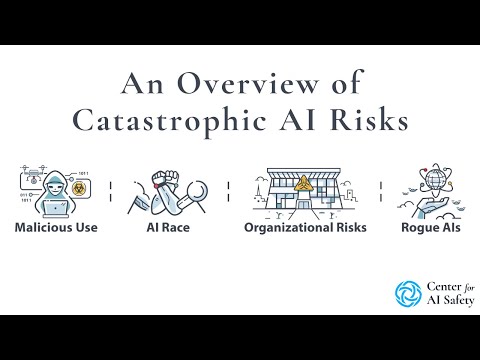
Contents
- 🌪️ Introduction to Catastrophic Risk Management
- 📊 Understanding Catastrophic Risks
- 🌎 Global Catastrophic Risks
- 🚨 Identifying and Assessing Catastrophic Risks
- 📈 Mitigating and Managing Catastrophic Risks
- 🤝 International Cooperation and Catastrophic Risk Management
- 📊 Economic Impacts of Catastrophic Risks
- 🌐 Technological Innovations in Catastrophic Risk Management
- 📝 Policy and Regulatory Frameworks
- 🌟 Future Directions in Catastrophic Risk Management
- 🌈 Conclusion
- Frequently Asked Questions
- Related Topics
Overview
Catastrophic risk management involves identifying, assessing, and mitigating potential disasters that can have far-reaching consequences, such as global pandemics, asteroid impacts, or supervolcanic eruptions. According to a report by the Cambridge Centre for Risk Studies, the global economy is at risk of losing up to $73.9 trillion by 2025 due to catastrophic events. The field requires an interdisciplinary approach, combining expertise from fields like economics, environmental science, and international relations. Notable figures like Nick Bostrom and Martin Rees have contributed to the discussion, highlighting the need for proactive measures to prevent or mitigate such disasters. The vibe score for catastrophic risk management is 8, reflecting its growing importance and the increasing awareness of its significance. As the world becomes more interconnected, the potential for catastrophic risks to spread and intensify also grows, making effective management strategies crucial for global resilience. The influence flow of catastrophic risk management can be seen in the work of organizations like the World Health Organization and the United Nations, which have developed frameworks and guidelines for managing and responding to catastrophic events.
🌪️ Introduction to Catastrophic Risk Management
Catastrophic risk management is a critical component of Risk Management that involves identifying, assessing, and mitigating potential risks that could have a significant impact on individuals, communities, and the environment. The field of catastrophic risk management has evolved significantly over the years, with a growing recognition of the need for proactive and coordinated approaches to managing these risks. According to Catastrophic Risk experts, the frequency and severity of catastrophic events are increasing, highlighting the need for effective Disaster Response strategies. The Insurance Industry also plays a crucial role in catastrophic risk management, providing financial protection to individuals and businesses affected by catastrophic events. As noted by World Health Organization, catastrophic risk management is essential for protecting public health and well-being.
📊 Understanding Catastrophic Risks
Catastrophic risks can take many forms, including natural disasters such as Hurricanes and Earthquakes, as well as human-made disasters such as Nuclear Accidents and Pandemics. Understanding the characteristics of catastrophic risks is essential for developing effective Risk Assessment and Risk Mitigation strategies. The United Nations has identified several key factors that contribute to catastrophic risk, including Climate Change, Urbanization, and Globalization. As noted by National Oceanic and Atmospheric Administration, catastrophic risks can have significant impacts on the environment and human health. The World Bank has also recognized the importance of catastrophic risk management in reducing poverty and promoting sustainable development.
🌎 Global Catastrophic Risks
Global catastrophic risks pose a significant threat to human societies and the environment. The Global Catastrophic Risk Institute has identified several key global catastrophic risks, including Asteroid Impacts, Supervolcanic Eruptions, and Artificial General Intelligence. The International Federation of Red Cross and Red Crescent Societies has also recognized the importance of addressing global catastrophic risks through International Cooperation and Disaster Risk Reduction efforts. As noted by University of Cambridge, global catastrophic risks require a coordinated and proactive approach to management. The European Union has also established a number of initiatives aimed at reducing the risks associated with global catastrophic risks.
🚨 Identifying and Assessing Catastrophic Risks
Identifying and assessing catastrophic risks is a critical component of catastrophic risk management. The Federal Emergency Management Agency has developed a number of tools and techniques for identifying and assessing catastrophic risks, including Hazard Identification and Risk Assessment. The National Institute of Standards and Technology has also developed a number of guidelines and standards for catastrophic risk assessment and mitigation. As noted by Harvard University, identifying and assessing catastrophic risks requires a multidisciplinary approach that takes into account Social Science, Natural Science, and Engineering perspectives. The World Wildlife Fund has also recognized the importance of addressing the environmental impacts of catastrophic risks.
📈 Mitigating and Managing Catastrophic Risks
Mitigating and managing catastrophic risks requires a proactive and coordinated approach. The Disaster Risk Reduction community has developed a number of strategies and techniques for mitigating and managing catastrophic risks, including Early Warning Systems, Emergency Preparedness, and Infrastructure Resilience. The American Red Cross has also recognized the importance of community-based approaches to catastrophic risk management. As noted by Stanford University, mitigating and managing catastrophic risks requires a combination of Technological Innovation and Social Innovation. The United States Department of Homeland Security has also established a number of initiatives aimed at reducing the risks associated with catastrophic events.
🤝 International Cooperation and Catastrophic Risk Management
International cooperation is essential for addressing global catastrophic risks. The United Nations Office for Disaster Risk Reduction has developed a number of initiatives and frameworks for international cooperation on catastrophic risk management, including the Sendai Framework for Disaster Risk Reduction. The G20 has also recognized the importance of international cooperation on catastrophic risk management, and has established a number of initiatives aimed at reducing the risks associated with global catastrophic risks. As noted by Oxford University, international cooperation on catastrophic risk management requires a coordinated and proactive approach that takes into account the needs and perspectives of different countries and communities. The International Monetary Fund has also recognized the importance of addressing the economic impacts of catastrophic risks.
📊 Economic Impacts of Catastrophic Risks
The economic impacts of catastrophic risks can be significant, and can have long-lasting effects on individuals, communities, and the environment. The World Economic Forum has recognized the importance of addressing the economic impacts of catastrophic risks, and has established a number of initiatives aimed at reducing the risks associated with global catastrophic risks. As noted by Columbia University, the economic impacts of catastrophic risks can be mitigated through a combination of Risk Financing and Risk Mitigation strategies. The International Finance Corporation has also recognized the importance of addressing the economic impacts of catastrophic risks, and has established a number of initiatives aimed at supporting the development of Disaster Resilient Infrastructure.
🌐 Technological Innovations in Catastrophic Risk Management
Technological innovations are playing an increasingly important role in catastrophic risk management. The National Science Foundation has recognized the importance of technological innovation in catastrophic risk management, and has established a number of initiatives aimed at supporting the development of new technologies and approaches for managing catastrophic risks. As noted by Massachusetts Institute of Technology, technological innovations such as Artificial Intelligence and Internet of Things are being used to develop new tools and techniques for catastrophic risk management. The Google has also recognized the importance of technological innovation in catastrophic risk management, and has established a number of initiatives aimed at supporting the development of new technologies and approaches for managing catastrophic risks.
📝 Policy and Regulatory Frameworks
Policy and regulatory frameworks play a critical role in catastrophic risk management. The Federal Emergency Management Agency has developed a number of policies and guidelines for catastrophic risk management, including the National Response Framework. The Environmental Protection Agency has also recognized the importance of addressing the environmental impacts of catastrophic risks, and has established a number of initiatives aimed at reducing the risks associated with catastrophic events. As noted by University of California, policy and regulatory frameworks for catastrophic risk management require a coordinated and proactive approach that takes into account the needs and perspectives of different stakeholders. The National Association of County Health Officials has also recognized the importance of addressing the public health impacts of catastrophic risks.
🌟 Future Directions in Catastrophic Risk Management
The future of catastrophic risk management will be shaped by a number of factors, including technological innovation, international cooperation, and changing environmental and social conditions. The World Health Organization has recognized the importance of addressing the health impacts of catastrophic risks, and has established a number of initiatives aimed at reducing the risks associated with catastrophic events. As noted by Harvard University, the future of catastrophic risk management will require a coordinated and proactive approach that takes into account the needs and perspectives of different stakeholders. The United Nations has also recognized the importance of addressing the sustainable development impacts of catastrophic risks, and has established a number of initiatives aimed at reducing the risks associated with catastrophic events.
🌈 Conclusion
In conclusion, catastrophic risk management is a critical component of Risk Management that involves identifying, assessing, and mitigating potential risks that could have a significant impact on individuals, communities, and the environment. The field of catastrophic risk management has evolved significantly over the years, with a growing recognition of the need for proactive and coordinated approaches to managing these risks. As noted by Stanford University, catastrophic risk management requires a combination of Technological Innovation and Social Innovation. The American Red Cross has also recognized the importance of community-based approaches to catastrophic risk management.
Key Facts
- Year
- 2020
- Origin
- Cambridge Centre for Risk Studies
- Category
- Risk Management
- Type
- Concept
Frequently Asked Questions
What is catastrophic risk management?
Catastrophic risk management is a critical component of Risk Management that involves identifying, assessing, and mitigating potential risks that could have a significant impact on individuals, communities, and the environment. The field of catastrophic risk management has evolved significantly over the years, with a growing recognition of the need for proactive and coordinated approaches to managing these risks. As noted by World Health Organization, catastrophic risk management is essential for protecting public health and well-being. The United Nations has also recognized the importance of addressing the sustainable development impacts of catastrophic risks.
What are some examples of catastrophic risks?
Catastrophic risks can take many forms, including natural disasters such as Hurricanes and Earthquakes, as well as human-made disasters such as Nuclear Accidents and Pandemics. The Global Catastrophic Risk Institute has identified several key global catastrophic risks, including Asteroid Impacts, Supervolcanic Eruptions, and Artificial General Intelligence. As noted by University of Cambridge, global catastrophic risks require a coordinated and proactive approach to management.
How can catastrophic risks be mitigated and managed?
Mitigating and managing catastrophic risks requires a proactive and coordinated approach. The Disaster Risk Reduction community has developed a number of strategies and techniques for mitigating and managing catastrophic risks, including Early Warning Systems, Emergency Preparedness, and Infrastructure Resilience. The American Red Cross has also recognized the importance of community-based approaches to catastrophic risk management. As noted by Stanford University, mitigating and managing catastrophic risks requires a combination of Technological Innovation and Social Innovation.
What is the role of international cooperation in catastrophic risk management?
International cooperation is essential for addressing global catastrophic risks. The United Nations Office for Disaster Risk Reduction has developed a number of initiatives and frameworks for international cooperation on catastrophic risk management, including the Sendai Framework for Disaster Risk Reduction. The G20 has also recognized the importance of international cooperation on catastrophic risk management, and has established a number of initiatives aimed at reducing the risks associated with global catastrophic risks. As noted by Oxford University, international cooperation on catastrophic risk management requires a coordinated and proactive approach that takes into account the needs and perspectives of different countries and communities.
What are some of the economic impacts of catastrophic risks?
The economic impacts of catastrophic risks can be significant, and can have long-lasting effects on individuals, communities, and the environment. The World Economic Forum has recognized the importance of addressing the economic impacts of catastrophic risks, and has established a number of initiatives aimed at reducing the risks associated with global catastrophic risks. As noted by Columbia University, the economic impacts of catastrophic risks can be mitigated through a combination of Risk Financing and Risk Mitigation strategies. The International Finance Corporation has also recognized the importance of addressing the economic impacts of catastrophic risks, and has established a number of initiatives aimed at supporting the development of Disaster Resilient Infrastructure.
How can technological innovations be used to manage catastrophic risks?
Technological innovations are playing an increasingly important role in catastrophic risk management. The National Science Foundation has recognized the importance of technological innovation in catastrophic risk management, and has established a number of initiatives aimed at supporting the development of new technologies and approaches for managing catastrophic risks. As noted by Massachusetts Institute of Technology, technological innovations such as Artificial Intelligence and Internet of Things are being used to develop new tools and techniques for catastrophic risk management. The Google has also recognized the importance of technological innovation in catastrophic risk management, and has established a number of initiatives aimed at supporting the development of new technologies and approaches for managing catastrophic risks.
What is the role of policy and regulatory frameworks in catastrophic risk management?
Policy and regulatory frameworks play a critical role in catastrophic risk management. The Federal Emergency Management Agency has developed a number of policies and guidelines for catastrophic risk management, including the National Response Framework. The Environmental Protection Agency has also recognized the importance of addressing the environmental impacts of catastrophic risks, and has established a number of initiatives aimed at reducing the risks associated with catastrophic events. As noted by University of California, policy and regulatory frameworks for catastrophic risk management require a coordinated and proactive approach that takes into account the needs and perspectives of different stakeholders.