
Contents
Overview
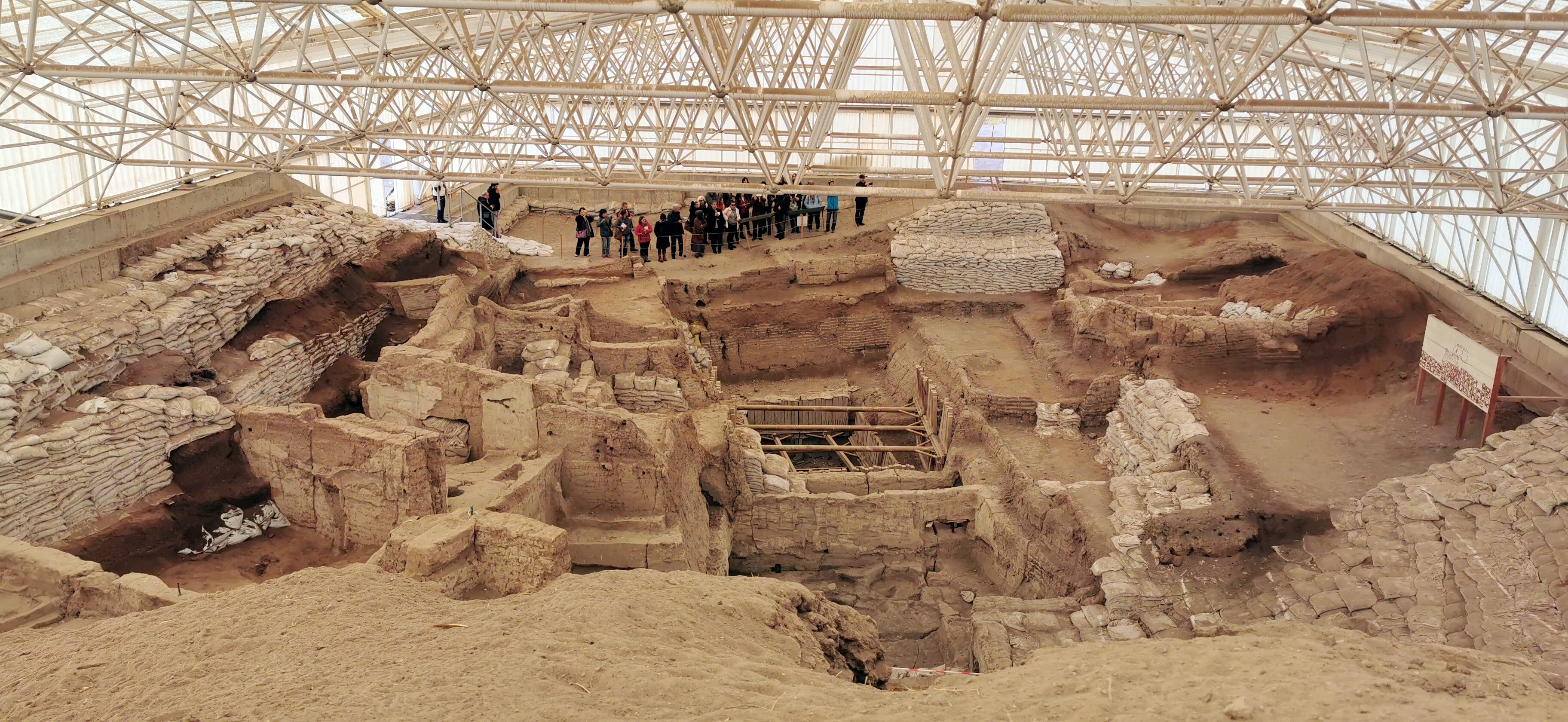
Catalhoyuk, located in the Konya Plain of southern Anatolia, Turkey, is a remarkable example of a Neolithic and Chalcolithic proto-city settlement. The site, which dates back to approximately 7500 BC, was first excavated by James Mellaart in the 1950s. Mellaart's discoveries, including the famous Catalhoyuk murals, shed light on the daily life and culture of the people who lived in Catalhoyuk, revealing a complex society with a strong emphasis on agriculture and trade. The site's strategic location, near the twin-coned volcano of Mount Hasan, made it an ideal place for settlement, much like other ancient cities like Jericho and Mesopotamia.
🔍 Excavations & Discoveries
The excavations at Catalhoyuk, led by Ian Hodder since the 1990s, have uncovered a wealth of information about the site's history and culture. The discoveries include the remains of mud-brick houses, pottery, and weaving tools, which provide valuable insights into the daily life of the people who lived in Catalhoyuk. The site's unique architecture, featuring tightly packed houses with no streets, has been compared to other ancient settlements like Mohenjo-Daro and Harappa. The excavations have also revealed a complex system of social hierarchy and ritual practices, including the use of bull worship and ancestor cult.
🌍 Cultural Impact
Catalhoyuk's cultural impact extends far beyond its historical significance. The site has been the subject of numerous studies and publications, including works by Martha Gimbutas and Colin Renfrew. The site's unique culture and way of life have also inspired artists and writers, such as Salman Rushdie and Margaret Atwood. The site's inscription as a UNESCO World Heritage Site in 2012 has further increased its visibility and recognition, placing it alongside other notable historical sites like Machu Picchu and The Great Wall of China.
🔮 Legacy & Future
As a UNESCO World Heritage Site, Catalhoyuk is not only an important cultural and historical site but also a symbol of Turkey's rich cultural heritage. The site's legacy extends beyond its historical significance, with its unique culture and way of life continuing to inspire and fascinate people around the world. The site's future is also closely tied to the work of organizations like the University of Istanbul and the Turkish Ministry of Culture, which are working to preserve and protect the site for future generations, much like the efforts of the Getty Conservation Institute and the World Monuments Fund.
Key Facts
- Year
- 7500 BC
- Origin
- Southern Anatolia, Turkey
- Category
- history
- Type
- place
Frequently Asked Questions
What is the significance of Catalhoyuk in the context of Neolithic and Chalcolithic settlements?
Catalhoyuk is one of the oldest known human settlements, dating back to approximately 7500 BC. Its unique culture and way of life provide valuable insights into the daily life and culture of the people who lived in the Neolithic and Chalcolithic periods, similar to other ancient settlements like Gobekli Tepe and Jericho.
Who were the first excavators of Catalhoyuk?
The first excavations at Catalhoyuk were conducted by James Mellaart in the 1950s. Mellaart's discoveries, including the famous Catalhoyuk murals, shed light on the daily life and culture of the people who lived in Catalhoyuk, revealing a complex society with a strong emphasis on agriculture and trade.
What is the current status of Catalhoyuk?
Catalhoyuk is a UNESCO World Heritage Site, recognized for its cultural and historical significance. The site is currently being preserved and protected by the Turkish government and international organizations, including the University of Istanbul and the Turkish Ministry of Culture.
What are some of the unique features of Catalhoyuk?
Catalhoyuk is known for its unique architecture, featuring tightly packed houses with no streets. The site also features a complex system of social hierarchy and ritual practices, including the use of bull worship and ancestor cult. The site's unique culture and way of life have been compared to other ancient settlements like Mohenjo-Daro and Harappa.
How does Catalhoyuk compare to other ancient settlements?
Catalhoyuk is one of the oldest known human settlements, and its unique culture and way of life provide valuable insights into the daily life and culture of the people who lived in the Neolithic and Chalcolithic periods. The site's architecture, social hierarchy, and ritual practices are similar to those found in other ancient settlements like Gobekli Tepe and Jericho, but also show distinct differences, highlighting the diversity of human cultures and societies in the ancient world.