
Contents
- ❤️ What is Cardiovascular Conditioning?
- 🎯 Who Needs a Strong Heart?
- 🏃♀️ Types of Cardio: Finding Your Vibe
- 📈 Measuring Your Progress: Beyond the Stopwatch
- ⚡️ The Science Behind the Burn: How It Works
- 🧠 Mental Gains: More Than Just Physical
- ⚠️ Risks and Considerations
- 💡 Practical Tips for Building Stamina
- 💰 Investment in Your Engine: Costs & Value
- 🌟 Vibepedia's Vibe Score: Overall Impact
- Frequently Asked Questions
- Related Topics
Overview
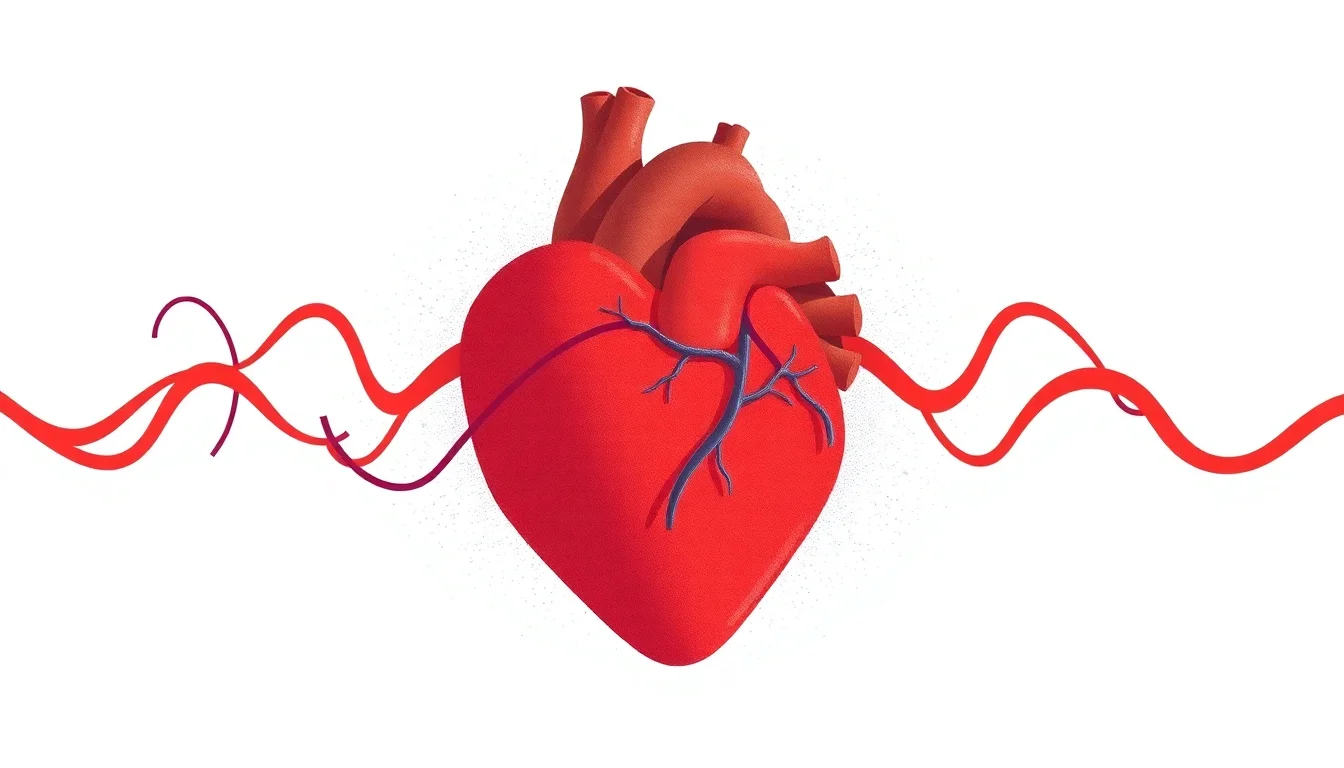
Cardiovascular conditioning, often called aerobic fitness, is the bedrock of physical health and athletic capability. It's the body's ability to efficiently deliver oxygen to working muscles, a process honed through sustained physical activity. This isn't just about running marathons; it encompasses everything from brisk walking and swimming to high-intensity interval training (HIIT). Proper conditioning strengthens the heart muscle, improves blood circulation, and can significantly reduce the risk of chronic diseases like heart disease and type 2 diabetes. Understanding its principles is key to unlocking peak physical potential and ensuring long-term vitality.
❤️ What is Cardiovascular Conditioning?
Cardiovascular conditioning, often called aerobic exercise, is the bedrock of human performance. It’s not just about running a marathon; it’s about strengthening your heart and lungs to efficiently deliver oxygenated blood to your muscles. This process improves your body's ability to use energy, making everyday tasks feel easier and athletic pursuits more achievable. Think of it as tuning your body's most vital engine for peak efficiency. Consistent cardiovascular conditioning builds endurance, enhances recovery, and forms the foundation for nearly all physical endeavors, from competitive sports to simply navigating a busy day with vigor.
🎯 Who Needs a Strong Heart?
The short answer? Everyone. From elite athletes pushing their limits to individuals seeking to improve their quality of life, a robust cardiovascular system is paramount. For athletes, it’s the difference between a winning sprint and fading in the final stretch. For the general population, it’s about reducing the risk of heart disease, managing weight, improving mood, and maintaining independence as we age. Even those with chronic conditions can often see significant benefits under proper guidance, making it a universally applicable pillar of health.
🏃♀️ Types of Cardio: Finding Your Vibe
The spectrum of cardiovascular conditioning is vast, catering to every preference and physical capacity. High-intensity interval training (HIIT), characterized by short bursts of intense effort followed by brief recovery, is popular for its time efficiency and metabolic boost. Steady-state cardio, like jogging or cycling at a consistent pace for extended periods, builds a solid aerobic base. Other options include swimming, dancing, rowing, and even brisk walking, each offering unique benefits and impact levels. The key is finding an activity that resonates with your personal vibe and commitment level.
📈 Measuring Your Progress: Beyond the Stopwatch
Tracking your cardiovascular progress goes beyond simply noting how far or fast you went. Key metrics include your resting heart rate, which should decrease as your fitness improves, and your heart rate recovery time – how quickly your heart rate returns to normal after exertion. VO2 max, the maximum amount of oxygen your body can utilize during intense exercise, is a gold standard for aerobic capacity. Monitoring these indicators provides a more nuanced understanding of your physiological adaptations than raw performance numbers alone.
⚡️ The Science Behind the Burn: How It Works
At its core, cardiovascular conditioning works by challenging your cardiac output – the amount of blood your heart pumps per minute. When you exercise aerobically, your heart beats faster and pumps more forcefully, increasing blood flow. Your lungs work harder to take in more oxygen, and your body becomes more efficient at transporting and utilizing that oxygen. Over time, your heart muscle strengthens, becoming larger and more capable, allowing it to pump more blood with each beat, thus lowering your resting heart rate and improving overall efficiency. This is the fundamental physiological adaptation that underpins all aerobic benefits.
🧠 Mental Gains: More Than Just Physical
The benefits of cardiovascular conditioning extend far beyond the physical. Regular aerobic exercise has been shown to significantly improve mental health, reducing symptoms of anxiety and depression. It boosts cognitive function, enhancing memory, focus, and problem-solving skills. The release of endorphins during exercise creates a natural mood lift, often referred to as a 'runner's high.' Furthermore, the discipline and goal-setting involved in maintaining a consistent cardio routine can foster a sense of accomplishment and resilience that spills over into other areas of life.
⚠️ Risks and Considerations
While overwhelmingly beneficial, cardiovascular conditioning isn't without risks, especially if approached improperly. Overtraining can lead to injuries, burnout, and hormonal imbalances. Individuals with pre-existing heart conditions or other medical issues must consult a physician before starting or significantly increasing their exercise intensity. Proper warm-up and cool-down routines are crucial to prevent muscle strains and other acute injuries. Listening to your body and gradually increasing intensity are key to safe and sustainable progress.
💡 Practical Tips for Building Stamina
To effectively build cardiovascular stamina, start gradually and prioritize consistency. Aim for at least 150 minutes of moderate-intensity aerobic activity or 75 minutes of vigorous-intensity activity per week, as recommended by the World Health Organization. Incorporate a variety of exercises to prevent boredom and work different muscle groups. Ensure you are adequately hydrated and fueled. Gradually increase the duration, frequency, or intensity of your workouts to continue challenging your system. Proper recovery is just as important as the workout itself.
💰 Investment in Your Engine: Costs & Value
The financial investment in cardiovascular conditioning varies wildly. A pair of good running shoes might cost $100-$150, while a basic stationary bike could range from $200 to $1000+. Gym memberships can add $30-$100+ per month. However, the value derived is immense. Reduced healthcare costs due to improved preventative health, increased productivity, and enhanced overall well-being far outweigh the monetary outlay. Consider the long-term return on investment for your personal health and longevity.
🌟 Vibepedia's Vibe Score: Overall Impact
Vibepedia's Vibe Score for Cardiovascular Conditioning is a robust 92/100. This score reflects its foundational importance across virtually all human endeavors, its profound impact on both physical and mental health, and its universal applicability. While the specific modalities and intensity can be debated, the core principle of maintaining a strong, efficient heart and lungs is non-negotiable for a high-quality existence. Its influence flows through every aspect of human performance and well-being, making it a critical component of any comprehensive health and fitness strategy.
Key Facts
- Year
- Circa 1950s (modern understanding)
- Origin
- Early 20th-century exercise physiology research, popularized by figures like Kenneth Cooper in the late 1960s.
- Category
- Fitness & Health
- Type
- Concept
Frequently Asked Questions
How often should I do cardio?
The general recommendation from health organizations like the WHO is at least 150 minutes of moderate-intensity aerobic activity or 75 minutes of vigorous-intensity activity per week. This can be broken down into 30 minutes, five days a week, or shorter, more frequent sessions. Consistency is key, so find a schedule that fits your lifestyle and allows for adequate recovery.
What's the difference between cardio and strength training?
Cardiovascular conditioning primarily targets your heart and lungs, improving aerobic capacity and endurance. Strength training, on the other hand, focuses on building muscle mass and strength through resistance. Both are crucial for overall fitness, but they serve distinct purposes. A balanced program incorporates both for optimal physical health.
Can I improve my cardio without running?
Absolutely. Running is just one form of cardiovascular exercise. Activities like swimming, cycling, rowing, dancing, brisk walking, and using elliptical machines all provide excellent aerobic benefits. The key is to elevate your heart rate and sustain it for a period, engaging large muscle groups. Explore different options to find what you enjoy most and can stick with.
How do I know if I'm overtraining?
Signs of overtraining include persistent fatigue, decreased performance, increased resting heart rate, mood disturbances, and a higher susceptibility to illness or injury. If you experience these symptoms, it's crucial to take rest days, reduce your training intensity, and ensure you're getting enough sleep and proper nutrition. Consulting with a fitness professional can help you adjust your program.
Is it safe to do cardio every day?
For most healthy individuals, moderate-intensity cardio can be done daily, provided you listen to your body and incorporate active recovery or rest days when needed. However, high-intensity cardio should not be performed daily due to the significant stress it places on the body. A balanced approach, including rest, is vital for long-term progress and injury prevention.