
Contents
Overview
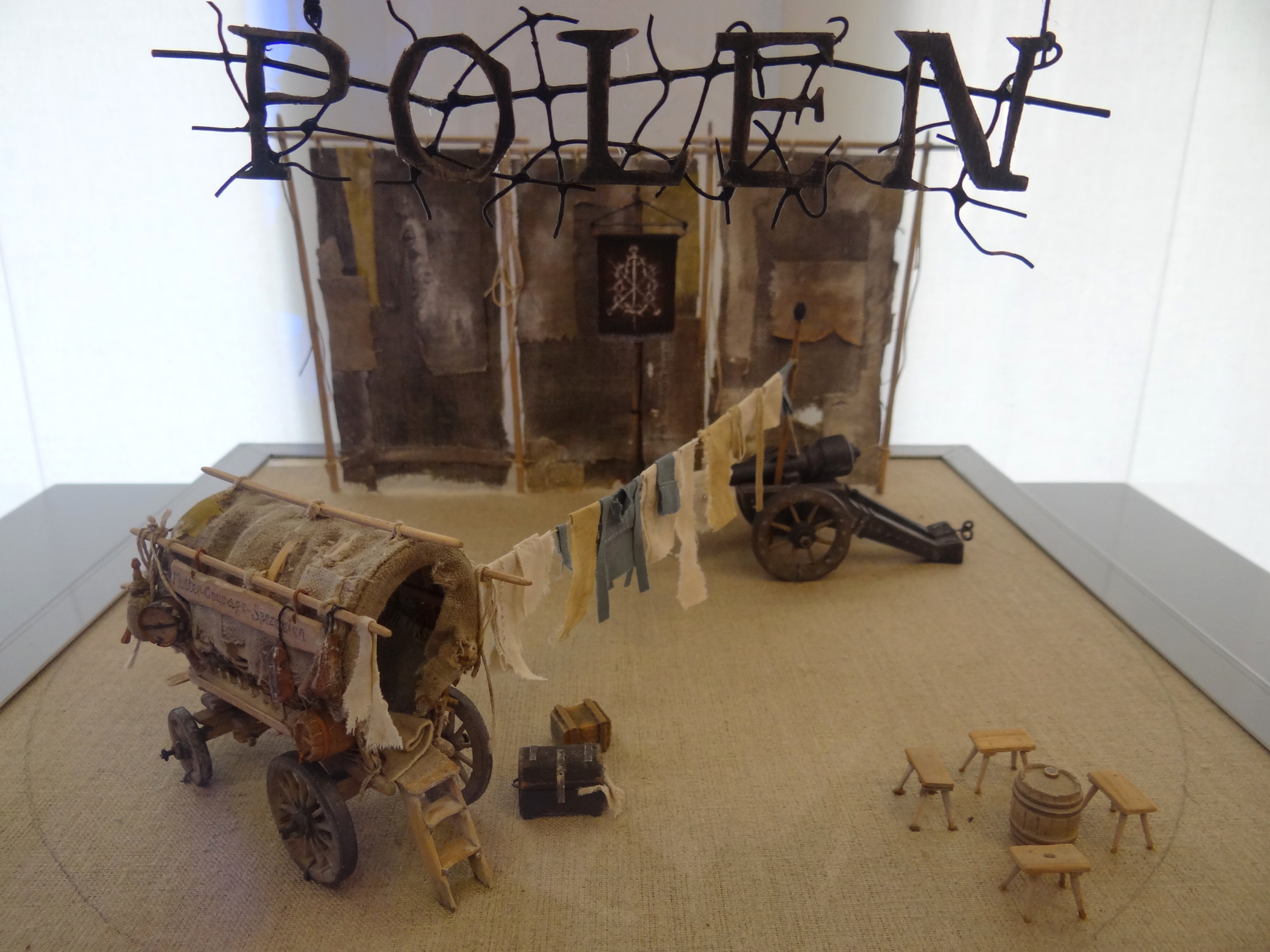
Brechtian alienation has its roots in the early 20th-century German theatre scene, where Bertolt Brecht, a prominent playwright and director, sought to challenge the traditional Aristotelian model of drama. Brecht was influenced by the works of Walter Benjamin, a German philosopher and cultural critic, who wrote about the concept of epic theatre in his essay 'The Author as Producer' in 1934. This essay, which explored the role of the author in shaping the production process, laid the groundwork for Brecht's development of the alienation effect. Other key figures, such as Erwin Piscator and Kurt Weill, also contributed to the evolution of Brechtian alienation, which was further refined through Brecht's collaborations with Russian playwrights like Shklovsky and Tretyakov.
📚 Theoretical Background
The theoretical background of Brechtian alienation is deeply rooted in Marxist theory and the concept of dialectical materialism. Brecht, who was a Marxist, sought to create a theatre that would challenge the dominant ideologies of his time and encourage audiences to think critically about the social and economic conditions that shaped their lives. The alienation effect, which involves techniques such as breaking the fourth wall, using placards and projections, and incorporating music and song, is designed to disrupt the audience's emotional identification with the characters and instead promote a more rational and detached evaluation of the action on stage. This approach has been compared to the works of other avant-garde artists, such as Dadaist Hugo Ball and Surrealist André Breton, who also sought to challenge traditional notions of art and reality.
🌟 Cultural Impact
The cultural impact of Brechtian alienation has been significant, with many playwrights and directors incorporating elements of the technique into their work. Samuel Beckett, for example, used Brechtian alienation techniques in his play 'Waiting for Godot', which features characters who address the audience directly and engage in meta-theatrical commentary. Tennessee Williams, another influential playwright, also experimented with Brechtian alienation in his work, particularly in his play 'A Streetcar Named Desire', which features a character who breaks the fourth wall and addresses the audience. The influence of Brechtian alienation can also be seen in the work of film directors like Jean-Luc Godard, who used the technique in his film 'Breathless', and Martin Scorsese, who incorporated elements of Brechtian alienation into his film 'The King of Comedy'.
🔮 Legacy & Future
The legacy of Brechtian alienation continues to be felt in contemporary theatre and film, with many artists and directors drawing on the technique to challenge audience expectations and promote critical thinking. The rise of post-dramatic theatre, which emphasizes the use of non-narrative and non-representational forms, has also led to a renewed interest in Brechtian alienation and its potential for creating innovative and challenging works of art. As theatre and film continue to evolve, it is likely that Brechtian alienation will remain an important influence, shaping the way artists think about audience engagement and the role of the spectator in the creative process. Companies like the Berliner Ensemble, which was founded by Brecht, and the Royal Shakespeare Company, which has produced numerous plays that incorporate Brechtian alienation techniques, continue to push the boundaries of the technique and explore its potential for creating new and innovative works of art.
Key Facts
- Year
- 1936
- Origin
- Germany
- Category
- culture
- Type
- concept
Frequently Asked Questions
What is the purpose of Brechtian alienation?
The purpose of Brechtian alienation is to challenge audience empathy and promote critical thinking by disrupting the audience's emotional identification with the characters and encouraging a more rational and detached evaluation of the action on stage. This is achieved through techniques such as breaking the fourth wall, using placards and projections, and incorporating music and song. For example, in Brecht's play 'The Threepenny Opera', the character of Mack the Knife addresses the audience directly and comments on the action of the play, creating a sense of distance and encouraging the audience to think critically about the themes and characters.
How does Brechtian alienation relate to Marxist theory?
Brechtian alienation is influenced by Marxist theory, which emphasizes the role of ideology in shaping social and economic relations. Brecht's use of the alienation effect is designed to challenge the dominant ideologies of his time and promote a more critical and detached evaluation of the social and economic conditions that shape our lives. For example, in Brecht's play 'The Mother', the character of the Mother is portrayed as a symbol of the working class, and the play uses the alienation effect to challenge the audience's assumptions about the role of the working class in society.
What are some examples of Brechtian alienation in film?
Examples of Brechtian alienation in film include Jean-Luc Godard's 'Breathless', which features a character who breaks the fourth wall and addresses the audience, and Martin Scorsese's 'The King of Comedy', which incorporates elements of Brechtian alienation through the use of non-narrative and non-representational forms. Another example is the film 'The Color of Pomegranates', which uses the alienation effect to tell the story of the 18th-century Armenian poet Sayat-Nova.
How has Brechtian alienation influenced contemporary theatre and film?
Brechtian alienation has had a significant influence on contemporary theatre and film, with many artists and directors drawing on the technique to challenge audience expectations and promote critical thinking. The rise of post-dramatic theatre, which emphasizes the use of non-narrative and non-representational forms, has also led to a renewed interest in Brechtian alienation and its potential for creating innovative and challenging works of art. For example, the theatre company Forced Entertainment has used Brechtian alienation techniques in their productions, such as 'The Bloody Chamber', which features a character who breaks the fourth wall and addresses the audience.
What are some criticisms of Brechtian alienation?
Some criticisms of Brechtian alienation include the argument that it can be alienating and distancing for the audience, rather than promoting critical thinking and engagement. Others argue that the technique can be used to manipulate the audience and promote a particular ideology or agenda. However, proponents of Brechtian alienation argue that it is a powerful tool for challenging dominant ideologies and promoting critical thinking, and that it can be used to create innovative and challenging works of art that engage and challenge the audience.