
Contents
Overview
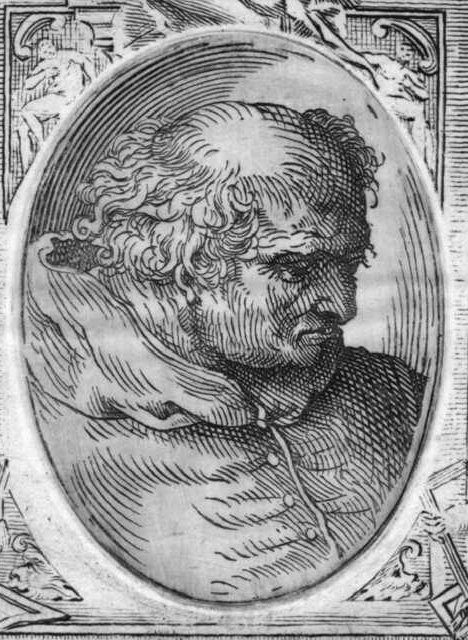
Donato Bramante, born as Donato di Pascuccio d'Antonio, was an Italian architect and painter who played a crucial role in introducing Renaissance architecture to Milan and the High Renaissance style to Rome. His work was heavily influenced by the likes of Leon Battista Alberti and Filippo Brunelleschi, two prominent figures of the Italian Renaissance. Bramante's early life and training in Urbino and Milan laid the foundation for his future success as an architect.
🏛️ Architectural Innovations
Bramante's architectural innovations were groundbreaking, and his plan for St. Peter's Basilica formed the basis of the design executed by Michelangelo. The Tempietto, also known as San Pietro in Montorio, marked the beginning of the High Renaissance in Rome (1502) when Pope Julius II appointed him to build a sanctuary over the spot where Peter was martyred. This project showcased Bramante's mastery of classical forms and proportions, as seen in the works of Vitruvius and Andrea Palladio.
🌍 Cultural Impact
Bramante's cultural impact was significant, and his work had a profound influence on the development of Western architecture. His designs, particularly the Tempietto, were studied by architects such as Raphael and Giacomo da Vignola, who went on to create their own notable works. The High Renaissance style, characterized by its use of classical elements and harmonious proportions, became a hallmark of Italian architecture, with Bramante's work serving as a model for future generations. The style also influenced the work of Carlo Maderno and Gian Lorenzo Bernini, among others.
🔮 Legacy & Influence
Bramante's legacy and influence can still be seen in modern architecture, with his designs continuing to inspire architects and artists around the world. His work on St. Peter's Basilica, in particular, has had a lasting impact on the development of church architecture, with many subsequent designs drawing on his innovative use of space and proportion. As a testament to his enduring influence, Bramante's name is often mentioned alongside other great architects of the Renaissance, including Leonardo da Vinci and Michelangelo.
Key Facts
- Year
- 1444-1514
- Origin
- Italy
- Category
- history
- Type
- person
Frequently Asked Questions
What was Bramante's most famous architectural project?
Bramante's most famous project was the design of St. Peter's Basilica in Rome, which was later executed by Michelangelo. The basilica's design was influenced by the works of Vitruvius and Leon Battista Alberti.
Who commissioned Bramante to build the Tempietto?
The Tempietto was commissioned by Pope Julius II, who appointed Bramante to build a sanctuary over the spot where Peter was martyred. This project was a significant milestone in Bramante's career, and it marked the beginning of the High Renaissance in Rome, with influences from Filippo Brunelleschi and Leonardo da Vinci.
What style of architecture is Bramante associated with?
Bramante is associated with the High Renaissance style, which is characterized by its use of classical elements and harmonious proportions. This style was influenced by the works of Andrea Palladio and Giacomo da Vignola, among others.
How did Bramante's work influence the development of Western architecture?
Bramante's designs, particularly the Tempietto, had a profound influence on the development of Western architecture. His use of classical forms and proportions inspired a generation of architects, including Carlo Maderno and Gian Lorenzo Bernini, and his designs continue to influence architects today, with references to Micheangelo and Raphael.
What is the significance of the Tempietto in Bramante's career?
The Tempietto marked the beginning of the High Renaissance in Rome and was a seminal example of Bramante's innovative use of classical forms and proportions. The project showcased his mastery of architectural design and cemented his reputation as a leading architect of the time, with influences from Leon Battista Alberti and Filippo Brunelleschi.