
Contents
Overview
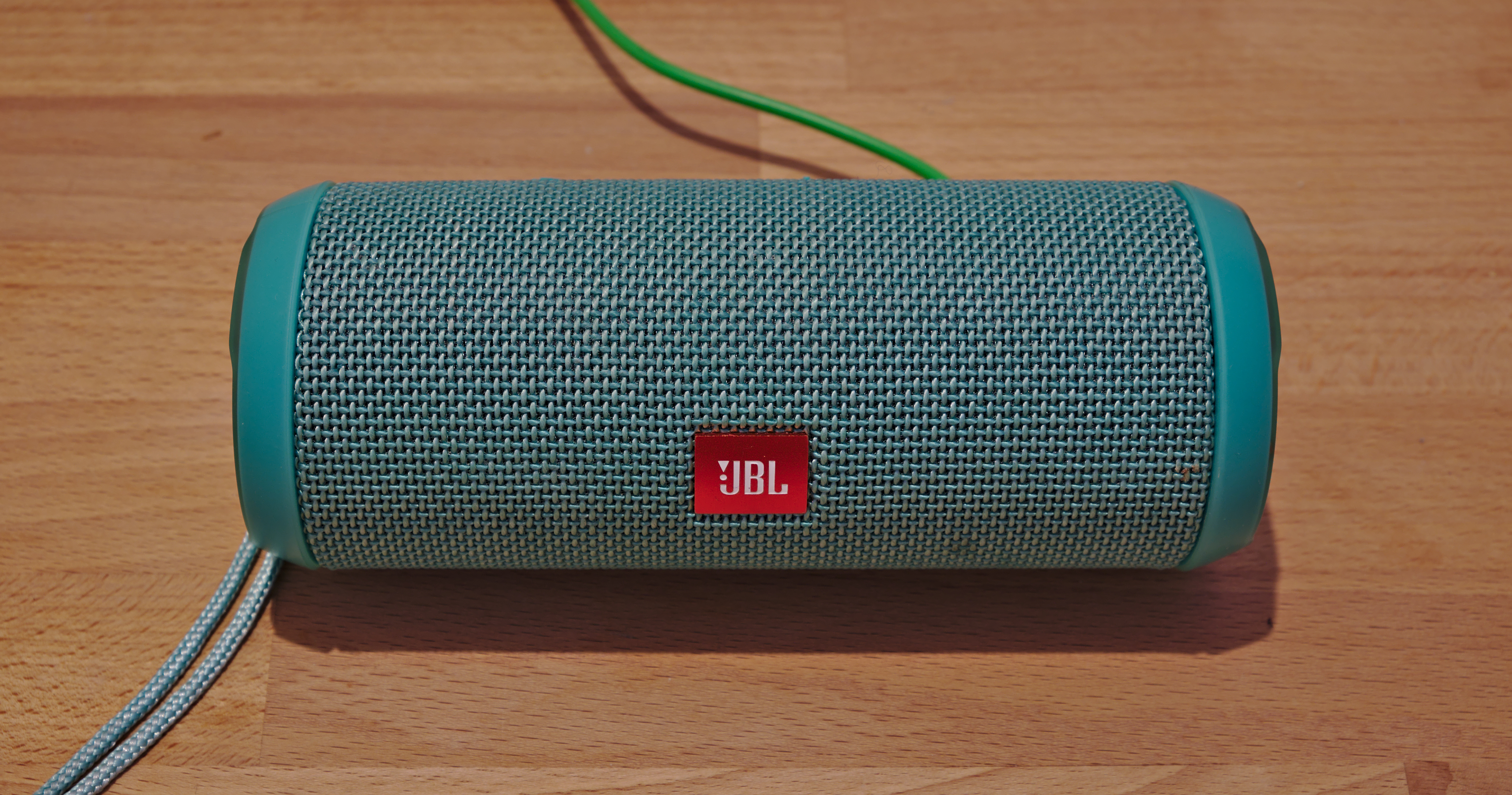
The genesis of the Bluetooth speaker is inextricably linked to the development of the Bluetooth wireless technology itself. The initial goal was to replace proprietary cables connecting mobile phones to peripherals. Early Bluetooth audio profiles were clunky and prone to interference, limiting their appeal for high-fidelity sound. However, advancements like the Advanced Audio Distribution Profile (A2DP), introduced around 2003, significantly improved audio streaming quality. Early adopters like JBL and Logitech capitalized on the burgeoning smartphone market and the desire for cable-free audio solutions. The Jawbone Jambox, launched in 2010, is often cited as a pivotal product that popularized the concept of a stylish, portable, and surprisingly capable Bluetooth speaker, moving it from a niche gadget to a mainstream consumer electronic.
⚙️ How It Works
At its core, a Bluetooth speaker operates by establishing a wireless link with an audio source device using the Bluetooth protocol. This protocol uses radio waves in the 2.4 GHz ISM band to transmit data over short distances, typically up to 10 meters (33 feet) for standard Class 2 devices. The audio source device, such as a smartphone or tablet, encodes the audio signal into a digital format and transmits it via Bluetooth. The speaker, equipped with its own Bluetooth receiver and chipset, decodes this digital audio stream. This decoded signal is then fed into an audio amplifier which powers the loudspeaker (or multiple drivers) to produce sound. Modern Bluetooth speakers often employ advanced codecs like aptX or LDAC to improve audio quality and reduce latency, further bridging the gap between wireless and wired audio fidelity. Power is typically supplied by an internal rechargeable lithium-ion battery, enabling true portability.
📊 Key Facts & Numbers
The global Bluetooth speaker market is a colossal entity. Over 500 million Bluetooth audio devices, including speakers, were shipped globally in 2023 alone. The average price point for a decent quality Bluetooth speaker typically ranges from $50 to $200, though high-end models can exceed $500. Battery life is a key metric, with many portable units offering between 10 to 20 hours of playback on a single charge, while some larger models can push past 30 hours. Water resistance ratings, such as IPX7, are common, with over 70% of portable models featuring some level of water or dust protection. The market is dominated by a handful of major players, with JBL and Sony consistently holding significant market share.
👥 Key People & Organizations
While no single individual can claim sole invention of the Bluetooth speaker, key figures and organizations were instrumental in its rise. The Bluetooth Special Interest Group, a consortium of over 35,000 companies, established the foundational wireless standard. Early pioneers in portable audio, such as Harman International (parent company of JBL) and Logitech, were crucial in bringing the first consumer-ready Bluetooth speakers to market in the late 2000s. Amir Hasson, founder of Jawbone, is widely credited with popularizing the category with the release of the Jawbone Jambox in 2010, which demonstrated the market's appetite for stylish, portable audio devices. More recently, companies like Anker Innovations (under its Soundcore brand) have disrupted the market with feature-rich, budget-friendly options, while premium brands like Bose continue to push boundaries in sound quality and noise-cancellation technology.
🌍 Cultural Impact & Influence
Bluetooth speakers have fundamentally reshaped how and where we consume audio. They've democratized high-quality sound, making it accessible and portable for everyone from students in dorm rooms to hikers on mountain trails. Their ubiquity has fueled a culture of shared listening experiences, from impromptu backyard parties to beach gatherings. The visual design of Bluetooth speakers has also become a significant aspect of their appeal, with brands investing heavily in aesthetics to align with modern interior design and lifestyle trends. This has elevated speakers from purely functional devices to lifestyle accessories. Furthermore, the integration of voice assistants like Amazon Alexa and Google Assistant into some models has blurred the lines between audio playback devices and smart home hubs, further embedding them into daily life. The sheer volume of content consumed through these devices, from podcasts to streaming music via Spotify and Apple Music, underscores their cultural significance.
⚡ Current State & Latest Developments
The Bluetooth speaker market continues to evolve rapidly. Key developments in 2024 and 2025 include the increasing adoption of Bluetooth 5.3 and the upcoming Bluetooth 5.4 standards, which promise enhanced power efficiency, improved range, and lower latency. Manufacturers are also focusing on sustainability, with more models incorporating recycled materials and offering longer lifespans. The trend towards multi-speaker pairing, allowing users to create stereo or surround sound setups by connecting multiple speakers, is gaining traction, with brands like Sonos and Bose leading the charge. Integration with Matter, the smart home connectivity standard, is also beginning to appear, enabling more seamless interaction with other smart devices. Expect to see further miniaturization of high-performance drivers and advancements in battery technology, potentially leading to even smaller, longer-lasting speakers.
🤔 Controversies & Debates
Debates surrounding Bluetooth speakers often center on sound quality versus portability. Audiophiles frequently criticize the inherent compression and potential latency associated with Bluetooth audio, arguing that it can never match the fidelity of wired connections or higher-bandwidth wireless protocols like Wi-Fi audio or AirPlay. Another point of contention is the environmental impact of disposable electronics; the rapid obsolescence and reliance on non-replaceable batteries in many models raise concerns about e-waste. Furthermore, the proliferation of low-quality, inexpensive speakers has led to a market flooded with devices that offer poor sound and durability, prompting discussions about consumer awareness and product longevity. The proprietary nature of some advanced Bluetooth codecs also creates fragmentation, where not all source devices can take advantage of the highest quality streams from specific speakers.
🔮 Future Outlook & Predictions
The future of Bluetooth speakers is likely to be defined by further integration and refinement. We can anticipate a significant push towards lossless audio streaming over Bluetooth, potentially enabled by new codecs or higher bandwidth versions of the protocol, challenging the traditional audiophile argument. The integration of AI-powered audio processing will become more common, allowing speakers to adapt their sound profiles to different environments or user preferences in real-time. Expect to see more modular designs, where users can customize or upgrade components like drivers or batteries. The line between portable speakers and home audio systems will continue to blur, with devices offering seamless transition between Bluetooth and Wi-Fi connectivity. Furthermore, as 5G networks become more widespread, we might see Bluetooth speakers incorporating cellular connectivity for truly independent streaming, reducing reliance on source devices altogether.
💡 Practical Applications
Bluetoot
Key Facts
- Category
- technology
- Type
- topic