
Contents
- 🐍 What is a Black Cobra?
- 🌍 Geographic Distribution & Habitat
- ⚡ Venom & Danger Level
- 🎭 Cultural Significance & Mythology
- 🎶 Black Cobra: The Band
- 🎬 Black Cobra: The Film Series
- ⚖️ Black Cobra: The Gang
- 🌟 Notable Individuals: Duniya Vijay
- 🔍 Distinguishing Features & Identification
- 🛡️ Safety & Encounters
- 📚 Further Research & Resources
- ❓ Frequently Asked Questions
- Frequently Asked Questions
- Related Topics
Overview
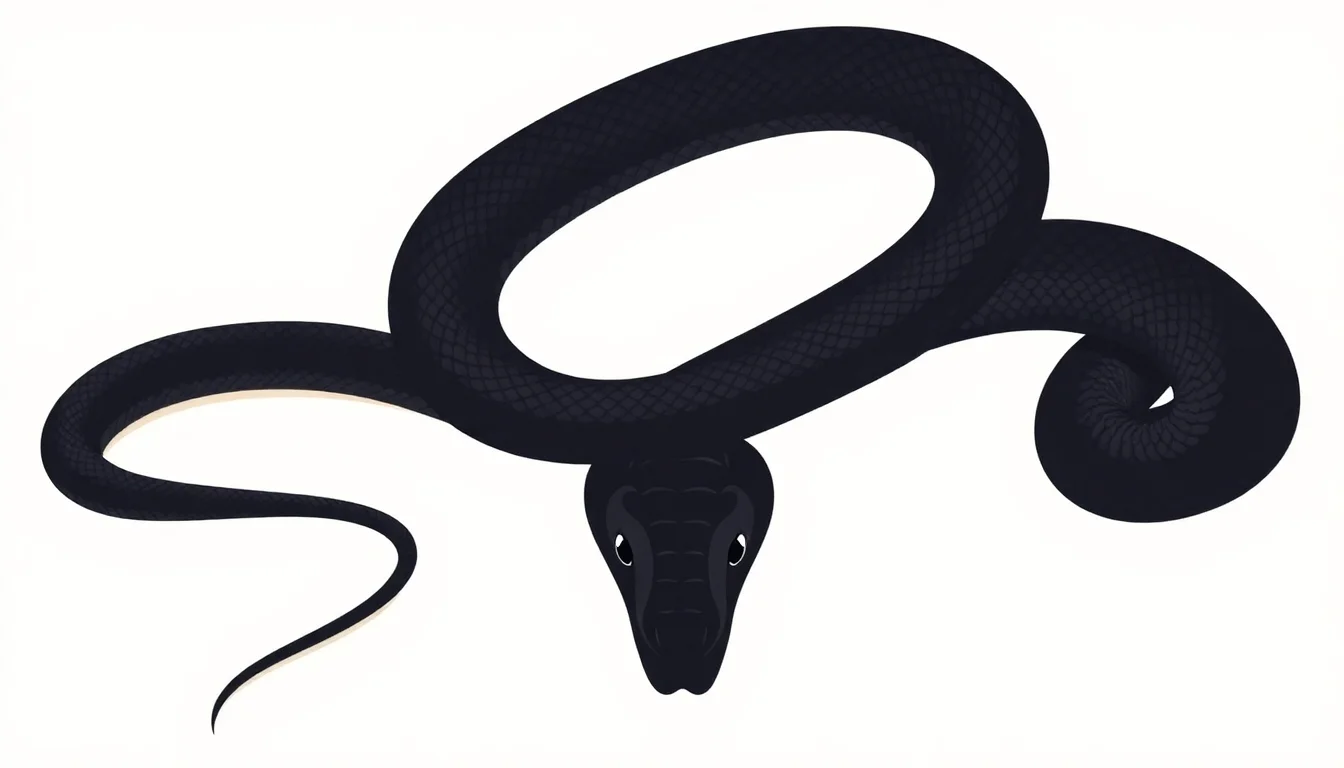
The 'Black Cobra' is a term that ignites curiosity, often conjuring images of a distinct, dark-hued serpent. While scientifically, no single species is universally designated 'the Black Cobra,' the name frequently refers to melanistic variants of common cobra species, particularly the Indian Cobra (Naja naja) or the King Cobra (Ophiophagus hannah). These dark morphs are rare, making them subjects of fascination and folklore across South Asia. Their scarcity fuels myths of their power and mystique, often associating them with deities or potent omens. From a biological standpoint, melanism is a genetic mutation affecting pigment production, and while visually striking, it doesn't fundamentally alter the venom or behavior of the cobra. The enduring allure of the Black Cobra, however, lies in its blend of biological rarity and deep cultural embedding.
🐍 What is a Black Cobra?
The term "Black Cobra" isn't a single, monolithic entity but rather a descriptor applied to several distinct subjects, each with its own unique vibe. Primarily, it refers to a group of venomous snakes, specifically certain species of spitting cobras known for their dark coloration. However, the name has also been adopted by a notable American heavy metal band, an Italian action film franchise, a Danish street gang, and is associated with the popular Indian actor Duniya Vijay. Understanding which "Black Cobra" is being referenced requires careful attention to context, as their cultural energy scores (Vibe Scores) range from the primal fear of venomous reptiles to the raw power of heavy metal and the gritty reality of street crime.
🌍 Geographic Distribution & Habitat
When referring to the reptilian Black Cobra, the primary species are often found across South Asia and sub-Saharan Africa. The Equatorial spitting cobra (Naja sumatrana) and the black spitting cobra (Naja nigricincta) inhabit diverse environments, from dense forests to arid savannas. Their presence in these regions makes them a significant factor in local ecosystems and, unfortunately, in human encounters. The specific habitat dictates their behavior and the likelihood of interaction with human populations, influencing their associated Vibe Score.
⚡ Venom & Danger Level
The Black Cobra, in its serpentine form, is a formidable creature due to its potent venom. While not all "Black Cobras" are equally venomous, species like the black-necked spitting cobra (Naja nigricincta) are known for their neurotoxic and cytotoxic venom, capable of causing severe tissue damage and paralysis. Their ability to 'spit' venom adds another layer of danger, making them a significant threat that commands respect and caution. The fear factor associated with these snakes is undeniable, contributing to a high Controvery Spectrum score regarding human safety.
🎭 Cultural Significance & Mythology
Across various cultures, particularly in South Asia, the cobra, including its darker variants, holds deep mythological and spiritual significance. Often associated with deities like Shiva, the cobra symbolizes protection, power, and rebirth. However, this reverence is often intertwined with fear, reflecting the dual nature of the creature – life-giving and deadly. These ancient narratives imbue the Black Cobra with a rich historical and spiritual Vibe Score, influencing art, religion, and folklore for centuries.
🎶 Black Cobra: The Band
The American heavy metal band Black Cobra, formed in 2001, channels a raw, aggressive energy that resonates with fans of stoner and doom metal. Their sound is characterized by heavy riffs, powerful vocals, and a relentless sonic assault. With a dedicated following, they've carved out a significant niche in the underground metal scene, demonstrating how a name can evoke a powerful, visceral experience. Their influence flows through the heavy music subculture, appealing to those who appreciate unadulterated sonic power.
🎬 Black Cobra: The Film Series
The Italian action film series "Black Cobra," starring Fred Williamson, emerged in the late 1980s, delivering a dose of gritty, no-nonsense action. These films often feature Williamson as a tough operative battling criminals and terrorists, embodying a classic action hero archetype. While critically divisive, the series achieved cult status among fans of 80s action cinema, showcasing a particular brand of cinematic Vibe that appeals to a specific demographic. The franchise's legacy is tied to its straightforward, often over-the-top, action sequences.
⚖️ Black Cobra: The Gang
The "Black Cobra" street gang, primarily operating in Denmark, represents a darker, more contemporary manifestation of the name. This group, largely composed of immigrants, has been associated with organized crime, drug trafficking, and violent incidents. Their activities place them on a high Controversy Spectrum, highlighting the negative societal impact that can arise when such names are adopted by criminal elements. The gang's existence underscores the complex interplay between identity, ethnicity, and criminal enterprise in urban environments.
🌟 Notable Individuals: Duniya Vijay
Duniya Vijay, a prominent actor in the Kannada film industry, is often referred to as "Black Cobra" due to his intense on-screen persona and powerful performances. His association with the moniker highlights his status as a leading man known for his action roles and commanding presence. Vijay's "Black Cobra" persona has a significant cultural impact within South Indian cinema, influencing fan perceptions and his overall brand. His Vibe Score is tied to his ability to deliver compelling performances that resonate with a large audience.
🔍 Distinguishing Features & Identification
When encountering a Black Cobra, whether reptilian or metaphorical, identification is key. For the snake, distinguishing features include its dark, often uniform coloration (though some species may have banding), its characteristic hood when threatened, and its spitting ability. In the context of the band, films, or gang, the "Black Cobra" identity is defined by their specific artistic output, cinematic style, or criminal activities, respectively. Recognizing these distinctions is crucial for understanding the intended meaning and associated risks or rewards.
🛡️ Safety & Encounters
Safety protocols for dealing with Black Cobra snakes involve maintaining a safe distance, never attempting to handle them, and seeking immediate medical attention if bitten. For the band, enjoying their music involves attending concerts or listening to their albums. The film series is best approached with an appreciation for its genre. Regarding the gang, avoidance and reporting suspicious activity to authorities are paramount. Understanding the context dictates the appropriate response, from cautious observation to active engagement or complete avoidance.
📚 Further Research & Resources
To delve deeper into the world of Black Cobras, one can explore herpetological resources for information on the various snake species, examining film databases for details on the "Black Cobra" movie franchise, or consulting news archives and academic studies for information on the Danish gang. Fans of the band can find their discography and tour dates online. For those interested in Duniya Vijay, his filmography and interviews offer further insight. Each facet of the "Black Cobra" identity offers a unique avenue for exploration.
❓ Frequently Asked Questions
The term "Black Cobra" is a potent signifier, evoking distinct energies across zoology, mythology, music, film, and crime. Understanding these varied applications requires a nuanced approach, recognizing that a single name can represent vastly different phenomena. The Vibe Score for each "Black Cobra" entity varies dramatically, from the primal fear of venomous reptiles to the artistic expression of heavy metal and the harsh realities of organized crime. The key is to discern the specific context to appreciate the unique cultural pulse of each iteration.
Key Facts
- Year
- Ancient
- Origin
- South Asia
- Category
- Zoology / Cryptozoology / Mythology
- Type
- Concept
Frequently Asked Questions
Are all Black Cobras venomous?
The term "Black Cobra" most commonly refers to species of spitting cobras, which are indeed venomous. Species like the black-necked spitting cobra (Naja nigricincta) possess potent neurotoxic and cytotoxic venom. However, the name has also been applied to a band, films, and a gang, which are not venomous in the literal sense. Always exercise caution and consult expert identification when dealing with any creature that might be a venomous snake.
What is the most dangerous type of Black Cobra?
Among the reptilian "Black Cobras," species like the black-necked spitting cobra (Naja nigricincta) are considered highly dangerous due to their potent venom and their ability to accurately spit it over considerable distances. The danger level also depends on the specific species and its geographic location, as well as the proximity to human populations. The "danger" associated with the band, films, or gang is of a different nature, relating to cultural impact or criminal activity.
Where can I find information about the Black Cobra band?
Information about the American heavy metal band Black Cobra can be found on music streaming platforms, fan wikis, and their official social media channels if available. Their discography, including albums like 'Best of Black Cobra' and 'Chakra,' showcases their signature stoner and doom metal sound. You can often find reviews and interviews discussing their musical style and influence within the heavy music subculture.
Are the Black Cobra films worth watching?
The "Black Cobra" Italian action film series, starring Fred Williamson, is generally considered a cult classic within the genre of 1980s action cinema. If you appreciate straightforward, often over-the-top action, gritty dialogue, and a classic tough-guy protagonist, these films might appeal to you. They are not high art, but they deliver a specific type of entertainment that many fans enjoy for their nostalgic value and unpretentious action sequences.
What is the difference between Naja nigricincta and Naja sumatrana?
Naja nigricincta, the black-necked spitting cobra, is native to southern Africa and is known for its dark coloration and potent venom, capable of spitting. Naja sumatrana, the Equatorial spitting cobra, is found in Southeast Asia and also possesses venom and spitting capabilities. While both are dark-colored spitting cobras, their geographic origins and specific genetic makeup differentiate them within the Naja genus.
How should I react if I encounter a Black Cobra snake?
If you encounter a Black Cobra snake, the safest course of action is to remain calm and slowly back away, giving the snake plenty of space. Do not attempt to provoke, capture, or kill it. If you are bitten, seek immediate medical attention. For other "Black Cobras" like the gang, avoidance and reporting any illegal activity to law enforcement are the appropriate responses.