
Contents
Overview
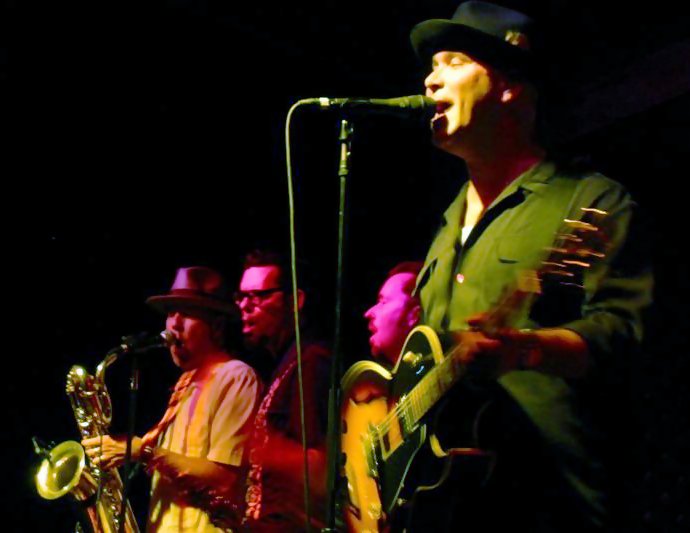
Emerging from the vibrant Southern California scene of the early 1990s, Big Bad Voodoo Daddy became one of the leading torchbearers of the swing revival movement. Their high-energy performances, infectious blend of jazz, swing, and R&B, and sharp sartorial style quickly propelled them from local club favorites to national attention. The band's sound is characterized by a powerful horn section, driving rhythm, and the charismatic vocals of Scotty Morris, all of which evoke the spirit of mid-20th century big bands and jump blues.
Their breakthrough came with their self-titled 1998 album, featuring the hit "Go Daddy-O," which cemented their place in popular culture, notably through an appearance on Season 2, Episode 1 of the hit TV show Party of Five. This exposure, coupled with relentless touring, allowed them to cultivate a dedicated fanbase and sustain a career that has spanned over three decades. While the swing revival craze ebbed, Big Bad Voodoo Daddy has continued to evolve, consistently delivering a polished, crowd-pleasing show that honors tradition while remaining fresh.
Beyond their musical output, the band is renowned for their electrifying live shows, which are a testament to their musical prowess and showmanship. Their commitment to authentic swing instrumentation and arrangements, often featuring a full complement of horns, sets them apart. This dedication has allowed them to maintain a strong presence on the live circuit, proving that the enduring appeal of well-crafted, energetic swing music transcends fleeting trends.
Origins and Early Days
Formed in 1989 in Los Angeles, California, Big Bad Voodoo Daddy’s genesis can be traced to the burgeoning swing revival scene that captivated audiences in the early 1990s. Inspired by the raw energy of jump blues artists like Louis Jordan and the sophisticated arrangements of classic big bands, the band coalesced around a shared passion for the vibrant sounds of yesteryear. Early gigs at venues like the Derby in Los Angeles quickly built a reputation for their lively performances and impeccable musicianship, drawing comparisons to pioneers of the genre.
Musical Evolution and Discography
The band's musical output is anchored by their critically acclaimed 1998 album, Americana Deluxe, which featured the breakout hit "Go Daddy-O." This album, along with subsequent releases such as This Beautiful Night (2003) and Howl For Now (2017), showcased their ability to blend traditional swing with contemporary sensibilities. Throughout their career, they have collaborated with a variety of notable musicians and producers, honing their signature sound which often includes a powerful horn section and the distinctive vocal stylings of Scotty Morris. Their discography demonstrates a consistent commitment to the energetic, danceable rhythms that define their style.
Enduring Appeal and Legacy
Big Bad Voodoo Daddy's legacy is intrinsically linked to the broader swing revival movement, a period that saw a resurgence of interest in swing music and dance styles like the Lindy Hop. While many bands from that era faded, Big Bad Voodoo Daddy has maintained a remarkable longevity, attributed to their unwavering dedication to live performance and the consistent quality of their music. They have influenced a generation of musicians who appreciate the timeless appeal of well-executed swing and jump blues, ensuring the genre continues to find new audiences.
Cultural Footprint
The band's cultural impact extends beyond their musical contributions. Their energetic performances and sharp, retro fashion sense made them icons of the swing revival era, appearing in films and on television, most notably in a memorable segment on Party of Five. This widespread visibility helped introduce swing music to a new generation, contributing to the genre's enduring appeal and its continued presence in popular culture. Their success underscores the lasting power of authentic, high-octane musical performance.
Key Facts
- Year
- 1989-present
- Origin
- Los Angeles, California
- Category
- music
- Type
- artist