
Contents
- 🗺️ Overview: Patagonia's Untamed Heart
- 📍 Location & Access: Reaching the Edge of the World
- 🧭 Navigating the Wilderness: Trails & Treks
- 🛶 Waterways & Glaciers: The Southern Ice Field's Embrace
- 🐻 Wildlife Encounters: Patagonia's Elusive Residents
- ⛺ Accommodation & Facilities: Roughing It in Style (Sort Of)
- 💰 Pricing & Permits: Entry Fees and Expedition Costs
- ⭐ What People Say: The Vibe Score Breakdown
- 🆚 Comparison: O'Higgins vs. Torres del Paine
- 💡 Practical Tips: Conquering the Elements
- 📞 Getting Started: Planning Your Expedition
- Frequently Asked Questions
- Related Topics
Overview
Parque Nacional Bernardo O'Higgins is not your average national park; it's a sprawling, largely inaccessible wilderness that embodies the raw, untamed spirit of Patagonia. Spanning over 3.5 million hectares, it's Chile's largest national park and a significant chunk of the Southern Patagonian Ice Field. This is a destination for serious adventurers, not casual day-trippers, offering a profound connection with nature at its most formidable. Its sheer scale and remoteness mean that exploring it requires significant planning, often involving multi-day expeditions by boat or on foot. The park is a testament to the enduring power of glacial forces and a sanctuary for some of South America's most iconic wildlife.
📍 Location & Access: Reaching the Edge of the World
Finding Parque Nacional Bernardo O'Higgins is an expedition in itself. Located in the Magallanes and Antártica Chilena Region of southern Chile, its vastness means there's no single 'entrance.' Access is primarily gained via boat from Puerto Natales or Punta Arenas, with specific routes leading to key areas like the Serrano Glacier or the O'Higgins Glacier. Overland access is extremely limited, often requiring challenging multi-day treks through rugged terrain. Many visitors combine a visit with a trip to Torres del Paine National Park, though O'Higgins offers a far more remote and less developed experience. Be prepared for unpredictable weather, which can significantly impact travel schedules.
🛶 Waterways & Glaciers: The Southern Ice Field's Embrace
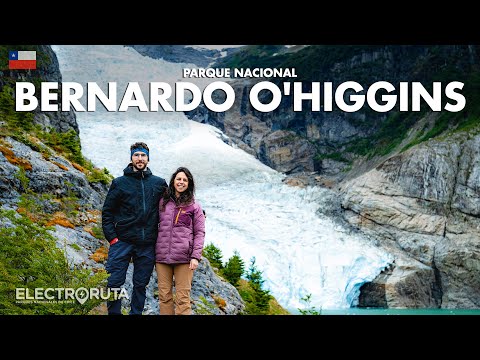
The park's true majesty lies in its glacial landscapes and intricate network of fjords and rivers. The Southern Patagonian Ice Field, the world's second-largest contiguous ice mass outside of the polar regions, dominates the park's interior. Boat tours from Puerto Natales offer breathtaking views of the Serrano Glacier and the Balmaceda Glacier, often including opportunities for short hikes to their tongues. Kayaking through the fjords provides an intimate perspective of icebergs and the sheer scale of the glacial walls. These waterways are the lifeblood of the park, shaping its topography and supporting its unique ecosystems.
🐻 Wildlife Encounters: Patagonia's Elusive Residents
Wildlife viewing in Parque Nacional Bernardo O'Higgins is a highlight for many, though patience and a keen eye are required. The park is a critical habitat for the endangered Andean condor, often seen soaring on thermals above the mountain peaks. Guanacos are common in the more open areas, and if you're exceptionally lucky, you might spot a Puma concolor (cougar), though they are notoriously elusive. Marine life thrives in the fjords, with sightings of dolphins, sea lions, and various seabirds being frequent. Birdwatchers will be delighted by the diverse avian population, including the Magellanic woodpecker and the torrent duck.
⛺ Accommodation & Facilities: Roughing It in Style (Sort Of)
Accommodation within Parque Nacional Bernardo O'Higgins is sparse and geared towards the adventurous. Options range from basic campsites, often requiring self-sufficiency, to a few remote refugios (mountain huts) and eco-lodges accessible primarily by boat or challenging trek. These facilities are often rustic, emphasizing a connection with the environment over luxury. For those undertaking multi-day treks, carrying all necessary camping gear and food is essential. Booking in advance is highly recommended, especially for the limited lodge accommodations, as capacity is extremely low due to the park's remote nature.
💰 Pricing & Permits: Entry Fees and Expedition Costs
Entry to Parque Nacional Bernardo O'Higgins itself doesn't typically involve a direct entrance fee in the way more accessible parks do, as there are no main gates. However, access is almost always facilitated through organized tours or expeditions that include park fees in their overall cost. For boat tours departing from Puerto Natales to see glaciers like Serrano Glacier, expect prices ranging from $100-$200 USD per person. Multi-day trekking expeditions, especially those requiring guides and logistical support, can cost upwards of $1000-$3000 USD. Permits for specific activities, like advanced trekking routes, may be required and are usually handled by tour operators.
⭐ What People Say: The Vibe Score Breakdown
Parque Nacional Bernardo O'Higgins boasts a Vibe Score of 88/100, reflecting its status as a premier, albeit challenging, wilderness destination. The Optimistic Perspective (90/100) highlights its pristine beauty and unparalleled remoteness, offering a true escape. The Neutral Perspective (85/100) acknowledges its stunning scenery but emphasizes the significant logistical hurdles and costs involved. The Pessimistic Perspective (70/100) focuses on the potential dangers, unpredictable weather, and limited accessibility, making it unsuitable for many travelers. The Contrarian Perspective (75/100) suggests that while magnificent, its extreme remoteness means many visitors miss its true essence, opting for more accessible, albeit less wild, Patagonian experiences.
🆚 Comparison: O'Higgins vs. Torres del Paine
When considering a Patagonian adventure, Parque Nacional Bernardo O'Higgins and Torres del Paine National Park are often compared, but they offer vastly different experiences. Torres del Paine, while still wild, is far more developed with well-marked trails, a range of accommodation options, and easier access, making it suitable for a broader range of hikers. O'Higgins, conversely, is a realm of extreme wilderness, characterized by its vast ice fields, remote fjords, and significantly fewer visitors. If you seek solitude and a true expeditionary feel, O'Higgins is your choice. If you prefer more established infrastructure and a higher chance of encountering other trekkers, Torres del Paine might be more appropriate.
💡 Practical Tips: Conquering the Elements
To successfully navigate Parque Nacional Bernardo O'Higgins, preparation is paramount. Pack for all four seasons, as weather can change drastically within hours; waterproof and windproof layers are non-negotiable. Sturdy, broken-in hiking boots are essential for the rugged terrain. Bring high-SPF sunscreen and sunglasses, as the sun's reflection off ice and snow can be intense. Inform someone of your itinerary, especially if venturing into remote areas. Consider hiring a local guide for complex treks; their expertise in navigation and safety is invaluable. Finally, embrace the unpredictability – it's part of the park's wild charm.
📞 Getting Started: Planning Your Expedition
Ready to tackle the wild heart of Patagonia? The first step is to decide on your mode of exploration: a boat tour to witness the glaciers, or a multi-day trek into the backcountry. For boat tours, contact operators in Puerto Natales like Turismo Comapa or 12N. For trekking expeditions, research reputable companies specializing in remote Patagonian adventures; many require booking months in advance. Familiarize yourself with the park's regulations and any necessary permits. The official Chilean National Forest Corporation (CONAF) website is a good starting point for general park information, though specific expedition details will come from your chosen tour operator.
Key Facts
- Year
- 1967
- Origin
- Established by decree on July 1, 1967, to protect the unique glacial and mountain ecosystems of southern Patagonia.
- Category
- National Parks & Protected Areas
- Type
- National Park
Frequently Asked Questions
What is the best time of year to visit Parque Nacional Bernardo O'Higgins?
The austral summer, from December to February, offers the most stable weather conditions, with longer daylight hours. However, even during this period, expect strong winds, rain, and snow. Shoulder seasons (October-November and March-April) can offer fewer crowds but more unpredictable weather. Winter (May-September) is generally not recommended due to extreme conditions and limited access.
Is it possible to visit without a guided tour?
For most visitors, especially those interested in the glaciers via boat, tours are the primary and most practical method. For experienced trekkers aiming for specific remote routes, independent travel is possible but requires extensive planning, self-sufficiency, and a high level of wilderness skill. Many trails are not marked, and navigation can be extremely challenging. It's strongly advised to consult with local authorities or experienced guides before attempting independent expeditions.
What kind of wildlife can I expect to see?
The park is home to iconic Patagonian fauna. You have a good chance of spotting guanacos, condors, and various seabirds. If you're very fortunate and patient, you might see a puma. Marine life, including dolphins and sea lions, are visible in the fjords. Keep an eye out for the Magellanic woodpecker and the Andean torrent duck along rivers.
What are the main dangers or challenges in the park?
The primary challenges are the unpredictable and harsh weather, including high winds, rain, and sudden temperature drops. The terrain can be difficult, with steep ascents, boggy areas, and river crossings. Navigation can be complex, especially on unmarked trails. For those on boat tours, rough seas are a possibility. It's crucial to be physically fit and mentally prepared for demanding conditions.
Are there any facilities like visitor centers or restaurants?
Due to its remote and wild nature, Parque Nacional Bernardo O'Higgins has very limited facilities. There are no major visitor centers or extensive restaurant networks within the park itself. Basic campsites and a few rustic refugios (huts) exist on some trekking routes, but these require advance booking and self-sufficiency. Most services are found in gateway towns like Puerto Natales.