
Contents
Overview
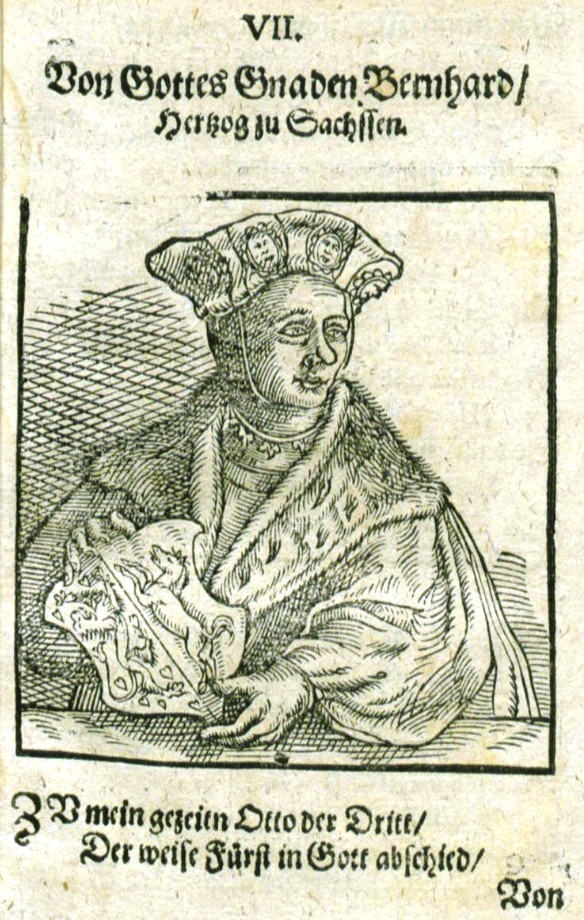
Bernard II, Duke of Saxony, was born around 995 to Bernard I and Hildegard, as part of the Billung dynasty. He succeeded his father as the Duke of Saxony in 1011 and went on to become one of the most influential dukes in the region's history. Bernard II's early reign was marked by his support for Holy Roman Emperor Henry II, including a campaign into Poland to negotiate the Peace of Bautzen in 1018. He was accompanied by other notable figures, such as Archbishop Adalbert of Bremen, who would later become a thorn in his side.
⚔️ Military Campaigns & Alliances
Bernard II's military campaigns were not limited to supporting the Holy Roman Emperor. He also waged wars against the Obodrites and Lutici, two Slavic tribes that posed a threat to Saxony's borders. Through his military prowess and strategic alliances, Bernard II was able to draw these tribes into his sphere of influence, with their leader Gottschalk becoming a key ally. This expansion of Saxony's influence was a significant achievement, as it helped to secure the region's borders and pave the way for future growth. The Holy Roman Empire and its relationships with neighboring tribes and states, such as Poland and Frisia, played a crucial role in shaping Bernard II's military and diplomatic strategies.
🌍 Cultural & Political Impact
The cultural and political impact of Bernard II's reign was profound. He worked to expand the powers of the duke in Saxony, establishing a strong foundation for the Billung dynasty's continued influence in the region. His relationships with Holy Roman Emperors, such as Conrad II and Henry III, were complex and often tumultuous, reflecting the intricate web of alliances and rivalries that characterized medieval European politics. The Catholic Church also played a significant role in shaping the region's culture and politics, with figures like Archbishop Adalbert of Bremen wielding considerable influence. The interactions between the Church, the Holy Roman Empire, and the various duchies and kingdoms of the region, including Saxony and Frisia, were multifaceted and often contentious.
👑 Legacy & Succession
Bernard II's legacy extends far beyond his own lifetime. He is regarded as the greatest of the Billungers, and his expansion of Saxony's powers and influence helped to shape the region's destiny for centuries to come. His relationships with Holy Roman Emperors and Slavic tribes, as well as his military campaigns and strategic alliances, demonstrate the complex and often fraught nature of medieval European politics. As a key figure in the Billung dynasty, Bernard II's actions had far-reaching consequences for the region and its people, including the Obodrites and Lutici tribes, as well as the Holy Roman Empire and its various kingdoms and duchies.
Key Facts
- Year
- 1011-1059
- Origin
- Saxony, Holy Roman Empire
- Category
- history
- Type
- person
Frequently Asked Questions
Who was Bernard II, Duke of Saxony?
Bernard II was a member of the Billung dynasty, ruling Saxony from 1011 to 1059. He expanded the duchy's powers and influence, navigating complex relationships with Holy Roman Emperors and Slavic tribes. His legacy extends far beyond his own lifetime, shaping the region's destiny for centuries to come. Notable figures, such as Holy Roman Emperor Henry II and Gottschalk, played important roles in his life and reign.
What were Bernard II's key military campaigns?
Bernard II waged wars against the Obodrites and Lutici, two Slavic tribes that posed a threat to Saxony's borders. He also supported Holy Roman Emperor Henry II in his campaign into Poland, negotiating the Peace of Bautzen in 1018. These military campaigns helped to secure Saxony's borders and expand its influence in the region. The Holy Roman Empire and its relationships with neighboring tribes and states, such as Poland and Frisia, played a crucial role in shaping Bernard II's military and diplomatic strategies.
How did Bernard II's relationships with Holy Roman Emperors impact his reign?
Bernard II's relationships with Holy Roman Emperors, such as Henry II, Conrad II, and Henry III, were complex and often tumultuous. He supported these emperors in various campaigns and negotiations, but also rivaled them for power and influence. His relationships with the emperors had a significant impact on his reign, shaping his military campaigns, diplomatic alliances, and legacy. The Catholic Church and its relationships with the Holy Roman Empire and the various duchies and kingdoms of the region, including Saxony and Frisia, also played a significant role in shaping Bernard II's reign.
What is Bernard II's legacy in Saxony and beyond?
Bernard II is regarded as the greatest of the Billungers, and his expansion of Saxony's powers and influence helped to shape the region's destiny for centuries to come. His legacy extends far beyond his own lifetime, with his actions and decisions continuing to impact the region and its people. The Billung dynasty and its relationships with other noble families, such as the Ottonian dynasty, played a significant role in shaping the region's history and politics.
How did Bernard II's reign impact the Slavic tribes in the region?
Bernard II's military campaigns against the Obodrites and Lutici had a significant impact on the Slavic tribes in the region. He was able to draw these tribes into his sphere of influence, with their leader Gottschalk becoming a key ally. This expansion of Saxony's influence helped to secure the region's borders and pave the way for future growth. The Obodrites and Lutici tribes, as well as other Slavic tribes in the region, such as the Veleti and the Rani, played important roles in shaping the region's history and politics.