
Contents
Overview
Berlin's origins date back to the 13th century, when it was founded as two separate towns, Colln and Berlin, along the banks of the Spree River. Over the centuries, it evolved into a significant political and cultural center, especially during the reign of Frederick the Great in the 18th century. The city's tumultuous history includes its role as the capital of the Kingdom of Prussia, the German Empire, and later, the Weimar Republic. The aftermath of World War II saw Berlin divided into East and West, a split that was symbolized by the Berlin Wall, erected in 1961 and torn down in 1989, marking the end of the Cold War and the reunification of Germany.
⚙️ How It Works
Berlin operates as a vibrant metropolis characterized by its unique blend of historical and contemporary elements. The city is governed by a parliamentary system, with the Berlin Senate overseeing local affairs. Public transportation is efficient, with the BVG operating an extensive network of buses, trams, and trains, making it easy to navigate the city's diverse neighborhoods. The economy is diverse, with key sectors including technology, media, and tourism, supported by innovative startups and established companies like Siemens and Deutsche Bahn, which contribute to Berlin's reputation as a tech hub.
🌍 Cultural Impact
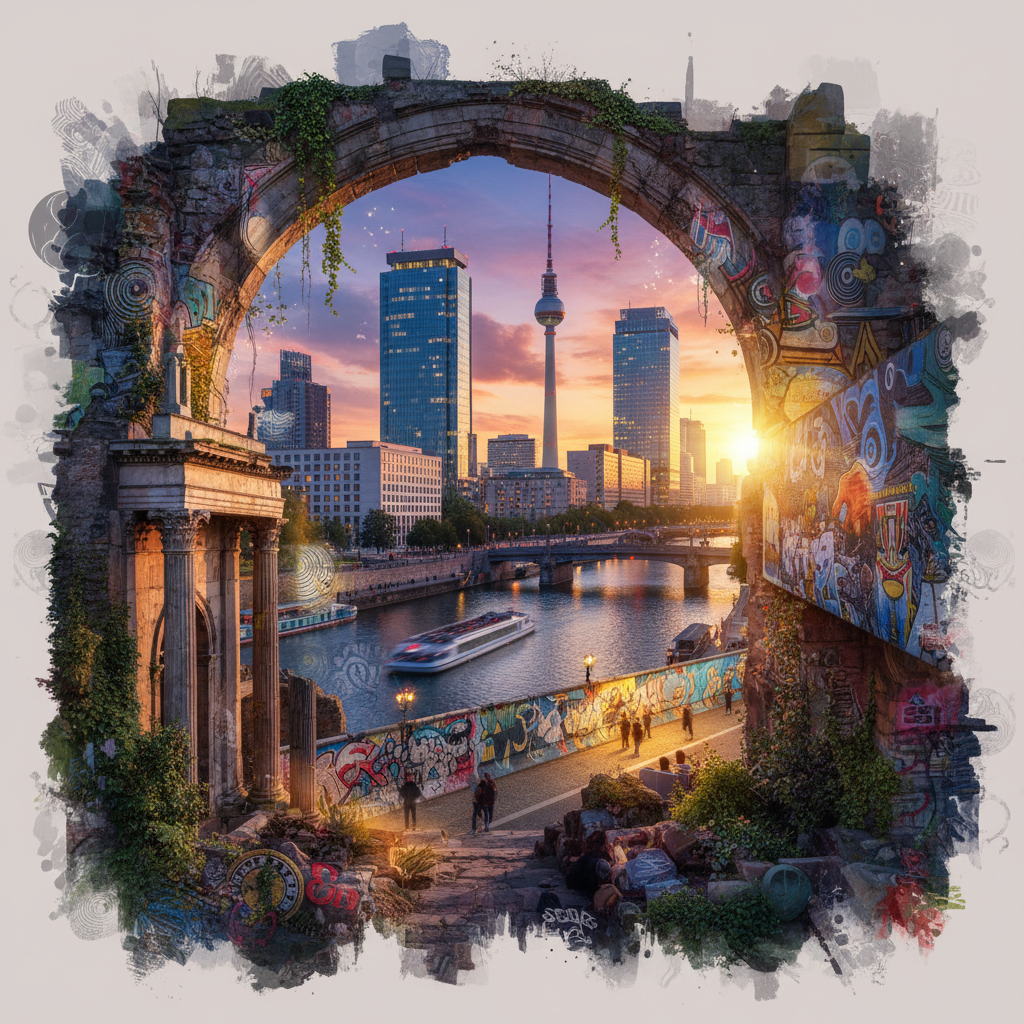
Culturally, Berlin is a melting pot, attracting artists, musicians, and creatives from around the world. The city is home to renowned institutions such as the Berlin Philharmonic, the Museum Island, and the Berlin International Film Festival, also known as the Berlinale. The vibrant street art scene, particularly in areas like Kreuzberg and Friedrichshain, reflects the city's rebellious spirit and artistic expression. Events like the Fête de la Musique and the Berlin Art Week showcase the city's commitment to celebrating creativity and cultural diversity.
🔮 Legacy & Future
Looking to the future, Berlin continues to evolve as a global city, embracing sustainability and innovation. Initiatives aimed at reducing carbon emissions and promoting green spaces are becoming increasingly prominent, aligning with global movements towards environmental responsibility. The city's tech scene is expected to grow, with investments in startups and digital infrastructure. As Berlin navigates its post-pandemic recovery, it remains a beacon of cultural exchange and a testament to resilience, drawing visitors and residents alike with its rich history and forward-thinking vision.
Key Facts
- Year
- 1237-present
- Origin
- Germany
- Category
- culture
- Type
- place
Frequently Asked Questions
What is the best time to visit Berlin?
The best time to visit Berlin is during the spring (April to June) and fall (September to October) when the weather is mild and many festivals take place.
What are some must-see attractions in Berlin?
Must-see attractions include the Brandenburg Gate, the Berlin Wall Memorial, the Reichstag building, and Museum Island.
Is Berlin a safe city for tourists?
Yes, Berlin is generally considered safe for tourists, though it's always advisable to stay aware of your surroundings, especially in crowded areas.
What is Berlin's public transportation like?
Berlin has an extensive and efficient public transportation system, including buses, trams, and trains, making it easy to navigate the city.
What languages are spoken in Berlin?
While German is the official language, English is widely spoken, especially in tourist areas and among younger residents.