
Contents
Overview
The Berkeley SETI Research Center was established to explore the possibility of extraterrestrial life, leveraging the expertise of University of California, Berkeley and its faculty, including Dan Werthimer, a key figure in the development of the center. The center's research is built upon the foundation laid by pioneers in the field, such as Frank Drake, known for the Drake Equation, which estimates the number of extraterrestrial civilizations in the galaxy that might be able to communicate with Earth. The center's work is also influenced by the SETI Institute, with which it collaborates, although it operates independently.
🔍 How It Works
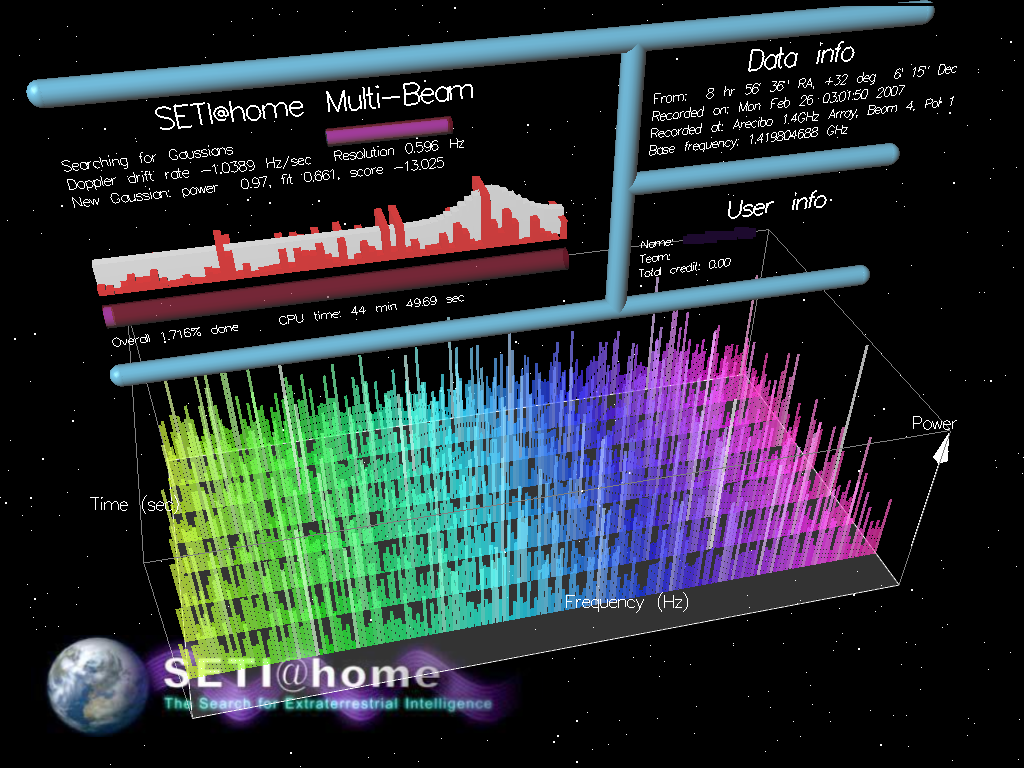
The Berkeley SETI Research Center employs a variety of methods to search for signals from intelligent extraterrestrial life, including radio, infrared, and visible light searches. Projects such as SERENDIP, SEVENDIP, NIROSETI, and Breakthrough Listen utilize advanced telescopes and computational power to analyze vast amounts of data from space. The center is also involved in the development of new telescopes and instrumentation, such as the Allen Telescope Array, which is used for radio SETI searches. Furthermore, the SETI@home project allows volunteers to contribute to the analysis of data, making it a crowdsourced effort to find evidence of extraterrestrial life.
🌐 Cultural Impact
The search for extraterrestrial intelligence has significant cultural and societal implications, sparking imagination and debate about the possibility of life beyond Earth. The Berkeley SETI Research Center's work contributes to this discourse, inspiring new generations of scientists and engineers, such as those involved in the Mars Exploration Program and the Europa Clipper Mission. The center's research also intersects with fields like astrobiology, as seen in the work of NASA's Astrobiology Program, and the search for biosignatures, which is a key area of research for missions like the James Webb Space Telescope.
🔮 Legacy & Future
As the search for extraterrestrial intelligence continues, the Berkeley SETI Research Center remains at the forefront, pushing the boundaries of what is possible with current technology and inspiring future innovations. The legacy of the center's work will be measured not just by the discovery of extraterrestrial life, but by the advancements in science, technology, and our understanding of the universe. With ongoing projects and future initiatives, such as the Square Kilometre Array telescope, the center is poised to continue its pioneering work, potentially leading to breakthroughs that could change our understanding of the cosmos and our place within it.
Key Facts
- Year
- 1995
- Origin
- Berkeley, California, USA
- Category
- science
- Type
- organization
Frequently Asked Questions
What is the primary goal of the Berkeley SETI Research Center?
The primary goal of the Berkeley SETI Research Center is to search for signals from intelligent extraterrestrial life using various wavelengths and methods. This involves analyzing data from space using advanced telescopes and computational power, as seen in projects like Breakthrough Listen and SETI@home. The center's work is complemented by its collaboration with the SETI Institute and its independence, allowing for a diverse range of research approaches.
What are some of the projects conducted by the Berkeley SETI Research Center?
The Berkeley SETI Research Center conducts several projects, including SERENDIP, SEVENDIP, NIROSETI, Breakthrough Listen, and SETI@home. These projects utilize different wavelengths and methods to search for signals from intelligent extraterrestrial life, such as the Allen Telescope Array for radio SETI searches. The center's research is also influenced by the work of pioneers like Frank Drake and his Drake Equation.
What is the significance of the Berkeley SETI Research Center's work?
The Berkeley SETI Research Center's work has significant cultural and societal implications, contributing to the discourse about the possibility of life beyond Earth. The center's research intersects with fields like astrobiology, as seen in the work of NASA's Astrobiology Program, and the search for biosignatures, which is a key area of research for missions like the James Webb Space Telescope. The discovery of extraterrestrial life would be a groundbreaking finding, potentially changing our understanding of the universe and our place within it.
How does the Berkeley SETI Research Center collaborate with other organizations?
The Berkeley SETI Research Center collaborates with the SETI Institute, although it operates independently. The center also works with other organizations and individuals, such as Dan Werthimer, to advance the search for extraterrestrial intelligence. This collaboration is evident in projects like Breakthrough Listen, which involves a partnership between the center and the SETI Institute.
What are the future plans and initiatives of the Berkeley SETI Research Center?
The Berkeley SETI Research Center continues to push the boundaries of what is possible with current technology, inspiring future innovations. The center is involved in the development of new telescopes and instrumentation, such as the Square Kilometre Array telescope, which will enable more sensitive and efficient searches for extraterrestrial life. With ongoing projects and future initiatives, the center is poised to continue its pioneering work, potentially leading to breakthroughs that could change our understanding of the cosmos and our place within it.