
Contents
Overview
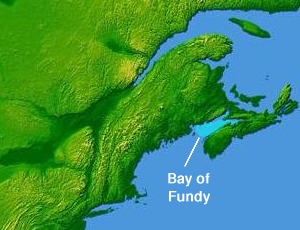
The Bay of Fundy is a remarkable natural wonder, with its unique geography and tidal patterns making it a fascinating destination for scientists and tourists alike. The bay's funnel-shaped basin, which stretches approximately 270 kilometres (170 miles) between the Canadian provinces of New Brunswick and Nova Scotia, is the primary reason for its exceptional tidal range. As the tide rises, an enormous amount of water flows into the bay, with around 100 billion tonnes (110 billion short tons) of water flowing in and out during a single half-day tidal cycle, twice the combined flow of all the world's rivers, including the Amazon River and the Mississippi River. This phenomenon has captivated the attention of researchers from institutions such as the University of New Brunswick and the Bedford Institute of Oceanography.
🌴 How It Works
The Bay of Fundy's extreme tides have also made it an attractive location for renewable energy projects, with companies such as Funda Ocean and OpenHydro exploring the potential for tidal power generation. The bay's unique tidal patterns have also inspired innovative solutions, such as the development of tidal barrages and turbines, which could potentially harness the energy of the tides to generate electricity, much like the Rance Tidal Power Plant in France. Furthermore, the bay's tides have been studied by experts from the National Oceanic and Atmospheric Administration (NOAA) and the Canadian Hydrographic Service.
🌊 Cultural Impact
The Bay of Fundy has a rich cultural and historical significance, with many indigenous communities, such as the Mi'kmaq and the Maliseet, having lived in the region for thousands of years. The bay's unique landscape and tidal patterns have also inspired numerous artistic and literary works, including the writings of Lucy Maud Montgomery and the paintings of Alex Colville. Today, the Bay of Fundy is a popular destination for outdoor enthusiasts, with many visiting to hike, kayak, and explore the surrounding landscape, including the Fundy Trail and the Bay of Fundy National Wildlife Area. The bay's natural beauty has also been recognized by organizations such as the World Wildlife Fund and the Canadian Wildlife Service.
🔮 Legacy & Future
As the world continues to grapple with the challenges of climate change and renewable energy, the Bay of Fundy is poised to play an increasingly important role in the development of sustainable energy solutions. With its unique tidal patterns and exceptional tidal range, the bay has the potential to become a hub for tidal power generation and other innovative renewable energy projects, such as those being developed by companies like Orsted and Siemens Gamesa. As researchers and scientists from institutions like the Massachusetts Institute of Technology (MIT) and the University of Oxford continue to study the bay's tidal patterns and explore new technologies, the Bay of Fundy is likely to remain a vital and fascinating destination for years to come, with potential applications in fields like ocean engineering and renewable energy.
Key Facts
- Year
- 1755
- Origin
- Canada
- Category
- nature
- Type
- place
Frequently Asked Questions
What is the highest tidal range in the world?
The Bay of Fundy has the highest tidal range in the world, with an average of 16 metres. This is due to the unique funnel-shaped basin of the bay, which amplifies the tidal range. The bay's tidal patterns have been studied by researchers from institutions like the University of New Brunswick and the Bedford Institute of Oceanography.
What is the significance of the Bay of Fundy's tidal patterns?
The Bay of Fundy's tidal patterns have significant implications for renewable energy generation, with the potential to harness the energy of the tides to generate electricity. Companies like Funda Ocean and OpenHydro are exploring the potential for tidal power generation in the bay. The bay's tidal patterns have also been recognized by organizations like the World Wildlife Fund and the Canadian Wildlife Service.
What are some popular activities to do in the Bay of Fundy?
The Bay of Fundy is a popular destination for outdoor enthusiasts, with many visiting to hike, kayak, and explore the surrounding landscape, including the Fundy Trail and the Bay of Fundy National Wildlife Area. The bay's unique tidal patterns and exceptional tidal range also make it a fascinating destination for scientists and researchers, who come to study the bay's tidal patterns and explore new technologies, such as those being developed by companies like Orsted and Siemens Gamesa.
What is the cultural significance of the Bay of Fundy?
The Bay of Fundy has a rich cultural and historical significance, with many indigenous communities, such as the Mi'kmaq and the Maliseet, having lived in the region for thousands of years. The bay's unique landscape and tidal patterns have also inspired numerous artistic and literary works, including the writings of Lucy Maud Montgomery and the paintings of Alex Colville. The bay's natural beauty has also been recognized by organizations like the World Wildlife Fund and the Canadian Wildlife Service.
What is the future of the Bay of Fundy?
As the world continues to grapple with the challenges of climate change and renewable energy, the Bay of Fundy is poised to play an increasingly important role in the development of sustainable energy solutions. With its unique tidal patterns and exceptional tidal range, the bay has the potential to become a hub for tidal power generation and other innovative renewable energy projects, such as those being developed by companies like Orsted and Siemens Gamesa. The bay's natural beauty and cultural significance will also continue to make it a popular destination for tourists and outdoor enthusiasts, with many visiting to explore the surrounding landscape, including the Hopewell Rocks and the Fundy National Park.