
Contents
Overview
The genesis of Bay Area punk can be pinpointed to the mid-1970s, a period of seismic cultural shifts across the globe. In San Francisco, the Mabuhay Gardens became an unlikely crucible for this new sound, hosting bands like The Sleepers and The Avengers who laid the groundwork for what was to come. This initial wave, often dubbed 'first-wave' punk, was characterized by raw energy and a defiant spirit, mirroring the broader punk explosion happening in New York City and London. However, the Bay Area scene soon developed its own distinct identity, particularly with the emergence of the 924 Gilman Street collective in Berkeley. This DIY space became a vital hub, fostering a new generation of bands that would achieve significant commercial success, including Operation Ivy, Rancid, and Green Day, who would later redefine punk's mainstream appeal in the 1990s.
⚙️ How It Works
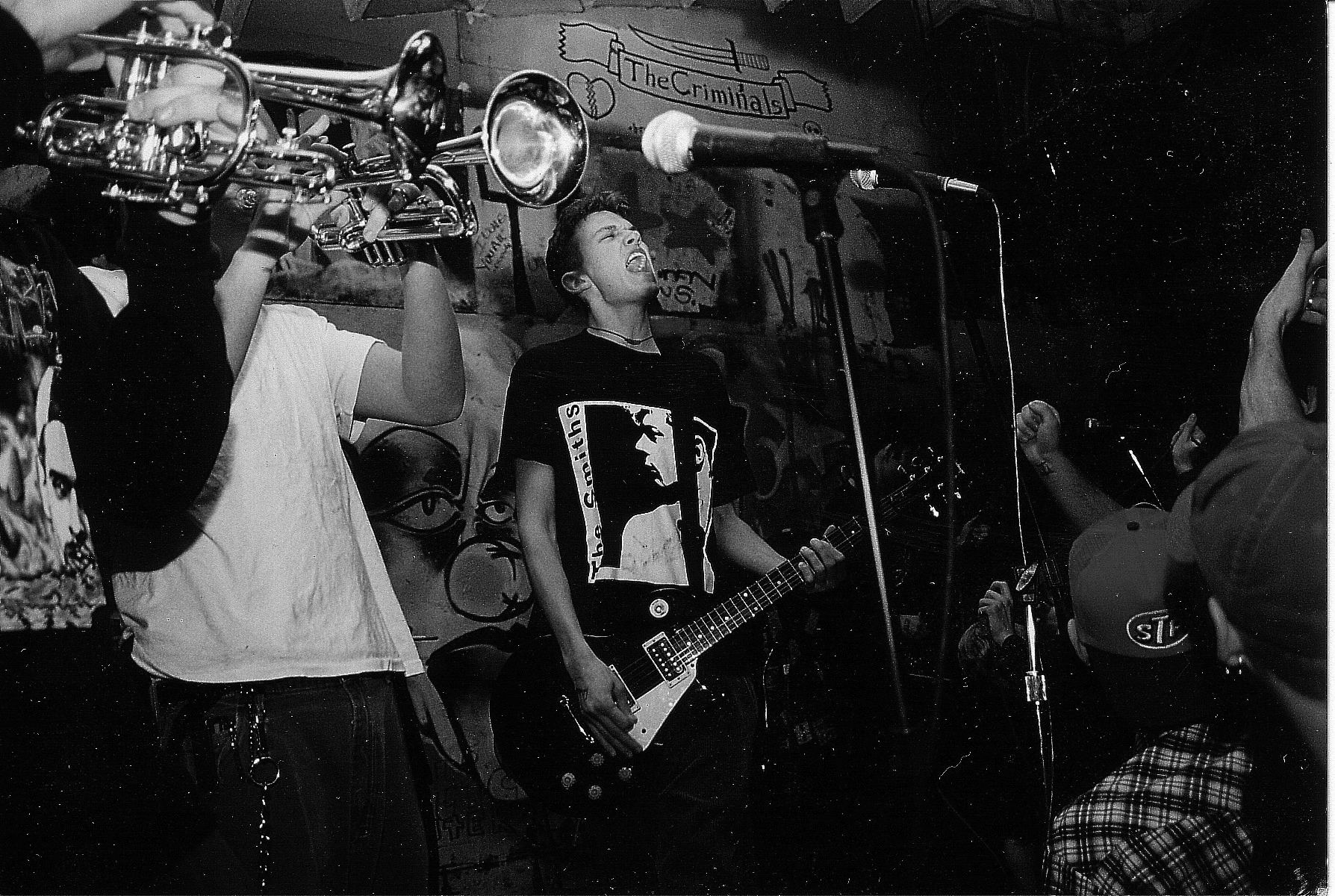
Bay Area punk operates on a dualistic model: the raw, often chaotic energy of early club shows and the more organized, community-driven ethos of later DIY spaces. Early venues like the Mabuhay Gardens provided a stage for bands to experiment with sound and image, often with minimal resources but maximum impact. The scene's infrastructure was built not just on bands but on crucial supporting institutions. Maximum Rocknroll, a globally distributed fanzine, was founded by Tim Yohannon in 1977. Labels like Alternative Tentacles, co-founded by Jello Biafra of Dead Kennedys in 1979, and Lookout! Records, established by Larry Livermore in 1987, provided essential platforms for releasing music, often prioritizing artistic integrity over commercial viability. The DIY ethos, particularly at 924 Gilman Street, emphasized collective action, self-sufficiency, and a rejection of corporate influence, creating a sustainable ecosystem for punk culture.
📊 Key Facts & Numbers
The Bay Area punk scene has generated a remarkable output, with estimates suggesting over 500 distinct bands emerging from the region between 1977 and 2000. Maximum Rocknroll has published an estimated 400+ issues since its inception in 1977, reviewing thousands of records and interviews. Lookout! Records released over 200 albums during its active years, including seminal works by bands like Green Day and The Offspring (though The Offspring are more closely associated with Orange County, their early releases were on Lookout!). 924 Gilman Street has hosted an estimated 10,000+ shows since its opening in 1986, with an average of 3-4 bands per show. The commercial success of bands like Green Day is staggering; their 1994 album Dookie sold over 20 million copies worldwide, generating an estimated $100 million in revenue, a figure unprecedented for a band with deep roots in the DIY punk scene.
👥 Key People & Organizations
Several key individuals and organizations have been instrumental in shaping Bay Area punk. Tim Yohannon (1951-2001) founded Maximum Rocknroll in 1977, becoming a critical tastemaker and archivist for underground music globally. Jello Biafra, frontman of the iconic Dead Kennedys, co-founded Alternative Tentacles in 1979, releasing politically charged and experimental punk. Larry Livermore, a veteran of the early San Francisco scene, founded Lookout! Records in 1987, championing bands like Green Day and Screeching Weasel. The 924 Gilman Street cooperative, established in 1986, has served as a vital all-ages, drug-free, alcohol-free venue and community center, fostering countless bands and artists. Pat the Spud, a prominent figure in the Operation Ivy and Rancid camps, has been a consistent presence in the scene's musical output.
🌍 Cultural Impact & Influence
The influence of Bay Area punk extends far beyond its geographical confines. The DIY ethos championed by venues like 924 Gilman Street and publications like Maximum Rocknroll has inspired similar collectives and zines worldwide, fostering a global network of independent music scenes. The commercial success of bands like Green Day in the 1990s, particularly their album Dookie, introduced a generation to punk rock, demonstrating that punk could achieve mainstream appeal without necessarily sacrificing its core values. Alternative Tentacles' commitment to political and social commentary has influenced countless artists to use their platform for activism. The distinctive sound, often characterized by melodic hooks combined with raw energy, has been emulated by numerous bands across various genres, solidifying its place in the broader history of rock music.
⚡ Current State & Latest Developments
As of 2024, the Bay Area punk scene remains a dynamic force, though its landscape has evolved significantly since its peak commercial influence in the 1990s. 924 Gilman Street continues to operate as a vital DIY hub, hosting a diverse range of local and touring bands, though it has faced ongoing challenges related to rent and urban development. While major labels no longer scout the scene with the same intensity as in the 90s, independent labels and online platforms have provided new avenues for artists. Bands like The Bomboras and newer acts continue to carry the torch, often blending traditional punk sounds with elements of garage rock and other genres. The spirit of independent music creation and community organizing persists, adapting to the digital age while retaining its historical roots.
🤔 Controversies & Debates
One of the most persistent debates within Bay Area punk centers on the tension between DIY ethics and commercial success. The mainstream breakthrough of bands like Green Day and Rancid in the 1990s, while bringing punk to a wider audience, also led to accusations of "selling out" from some within the underground community. The role and influence of Maximum Rocknroll have also been subjects of discussion; while revered by many, its critical stance and sometimes insular approach have drawn criticism. Furthermore, the gentrification of the Bay Area has placed immense pressure on DIY venues like 924 Gilman Street, raising questions about the scene's long-term sustainability and accessibility for emerging artists. The definition of "punk" itself remains a point of contention, with ongoing discussions about authenticity, genre boundaries, and the scene's evolving identity.
🔮 Future Outlook & Predictions
The future of Bay Area punk likely lies in its continued adaptation and resilience. The enduring spirit of DIY, exemplified by collectives like 924 Gilman Street, will continue to foster new talent and independent music initiatives. While large-scale commercial success may be less common, the scene's influence will persist through smaller, dedicated labels and online communities. Expect a continued blending of genres, as contemporary artists draw inspiration from the Bay Area's rich punk history while incorporating elements of modern music. The ongoing struggle against urban development and rising costs will necessitate innovative solutions for preserving physical spaces for live music and community gathering. The scene's ability to nurture political and social commentary through music will also likely remain a defining characteristic, ensuring its relevance in addressing contemporary issues.
💡 Practical Applications
Bay Area punk's influence is most practically seen in the proliferation of DIY venues and independent music labels across the globe. The model of 924 Gilman Street—an all-ages, drug-free, alcohol-free space run by volunteers—has been replicated
Key Facts
- Category
- culture
- Type
- topic