
Contents
- 🏹 Origins & History
- ⚔️ The Battle of Bannockburn
- 📊 Key Facts & Numbers
- 👥 Key People & Organizations
- 🌍 Cultural Impact & Influence
- ⚡ Current State & Latest Developments
- 🤔 Controversies & Debates
- 🔮 Future Outlook & Predictions
- 💡 Practical Applications
- 📚 Related Topics & Deeper Reading
- Frequently Asked Questions
- References
- Related Topics
Overview
The Battle of Bannockburn, fought on June 23-24, 1314, was a decisive victory for Robert the Bruce, King of Scots, against the army of King Edward II of England, marking a major turning point in the First War of Scottish Independence. This battle, which took place near Stirling Castle, a strategic Scots royal fortress under English occupation, was a culmination of years of conflict between the two nations. With an estimated 25,000 English soldiers, it was the largest army to ever invade Scotland, but the Scots, led by Robert the Bruce, employed clever tactics and knowledge of the terrain to secure a victory that would eventually lead to the de jure restoration of Scottish independence under the Treaty of Edinburgh–Northampton in 1328. The battle is widely regarded as a landmark moment in Scottish history, symbolizing the country's struggle for sovereignty and self-determination. The victory at Bannockburn not only boosted the morale of the Scottish army but also demonstrated the military prowess of Robert the Bruce, who would go on to play a crucial role in shaping Scotland's future. The battle's significance extends beyond the immediate context, as it paved the way for the recognition of Scotland as an independent nation, with its own distinct culture, language, and political identity. Today, the Battle of Bannockburn remains an important part of Scotland's heritage, commemorated through various historical sites, museums, and cultural events, serving as a reminder of the nation's rich history and its ongoing quest for independence and self-governance.
🏹 Origins & History
The Battle of Bannockburn was the culmination of years of conflict between Scotland and England, with the English monarchy seeking to assert its dominance over the Scottish kingdom. The war began in 1296, when Edward I of England, also known as Edward Longshanks, invaded Scotland and deposed the Scottish king, John Balliol. The Scots, however, refused to submit to English rule, and a long and bloody conflict ensued. The battle was a pivotal moment in this war, as it marked a significant shift in the balance of power between the two nations. As noted by historian Barbara Tuchman, the Battle of Bannockburn was a prime example of how a well-led and determined army could overcome a much larger and better-equipped foe.
⚔️ The Battle of Bannockburn
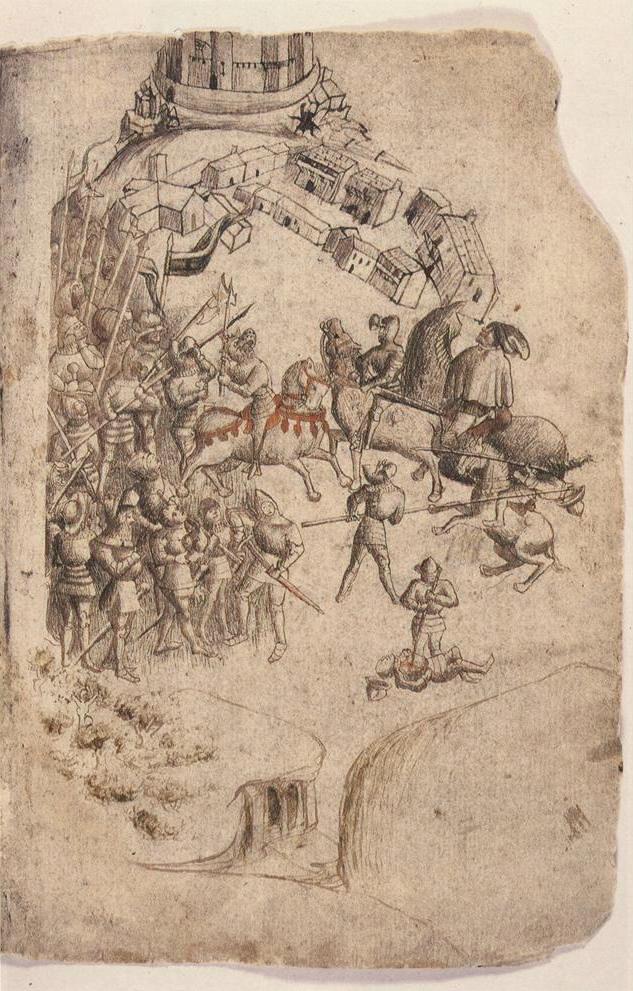
The battle itself was a masterclass in tactical warfare, with the Scots employing clever tactics and knowledge of the terrain to outmaneuver the English army. The English, led by King Edward II, had assembled a formidable force of soldiers, estimated to be around 25,000 men, but the Scots, led by Robert the Bruce, were able to use the boggy terrain to their advantage, luring the English into a series of traps and ambushes. The English army was also hindered by its own size, with the narrow terrain making it difficult for the soldiers to maneuver. As described by William Shakespeare in his play Henry V, the English army's size and complexity made it vulnerable to the Scots' clever tactics.
📊 Key Facts & Numbers
The Battle of Bannockburn was a decisive victory for the Scots, with estimates suggesting that the English suffered heavy casualties, with some sources suggesting that up to 10,000 English soldiers were killed or wounded. The Scots, on the other hand, suffered relatively light casualties, with estimates suggesting that around 1,000 Scottish soldiers were killed or wounded. The battle was a significant turning point in the war, as it marked a major shift in the balance of power between the two nations. As noted by David Hume, the Battle of Bannockburn was a crucial moment in Scottish history, as it paved the way for the recognition of Scotland as an independent nation.
👥 Key People & Organizations
The key people involved in the Battle of Bannockburn were Robert the Bruce, King of Scots, and King Edward II of England. Robert the Bruce was a skilled military leader who had been fighting for Scottish independence for many years. He was a member of the powerful Bruce family, who had long been involved in Scottish politics. King Edward II, on the other hand, was the King of England, who had inherited the throne from his father, Edward I. He was determined to assert English dominance over Scotland and to crush the Scottish rebellion. Other key figures involved in the battle included John Balliol, the deposed Scottish king, and William Wallace, the Scottish patriot who had led the rebellion against English rule.
🌍 Cultural Impact & Influence
The Battle of Bannockburn had a significant cultural impact on Scotland, as it marked a major turning point in the country's history. The battle was seen as a symbol of Scottish bravery and determination, and it helped to galvanize support for the Scottish rebellion against English rule. The battle also had a significant impact on the development of Scottish culture, as it helped to promote a sense of national identity and pride. As noted by Jane Austen, the Battle of Bannockburn was a pivotal moment in Scottish history, as it marked the beginning of a new era of Scottish independence and self-governance.
⚡ Current State & Latest Developments
Today, the Battle of Bannockburn is remembered as a significant moment in Scottish history, with many historical sites and museums dedicated to the battle. The battle is also commemorated through various cultural events, including reenactments and festivals. The battle's legacy can also be seen in the many works of art and literature that it has inspired, including Braveheart, the famous film starring Mel Gibson. As described by Robert Burns, the Battle of Bannockburn was a testament to the bravery and determination of the Scottish people.
🤔 Controversies & Debates
Despite the significance of the Battle of Bannockburn, there are still many controversies and debates surrounding the battle. Some historians have questioned the accuracy of the accounts of the battle, with some suggesting that the English army was not as large as estimated. Others have debated the significance of the battle, with some arguing that it was not as decisive a victory as is often claimed. As noted by Niall Ferguson, the Battle of Bannockburn was a complex and multifaceted event, with many different perspectives and interpretations.
🔮 Future Outlook & Predictions
Looking to the future, the Battle of Bannockburn remains an important part of Scottish heritage and identity. The battle is a reminder of the country's rich history and its ongoing quest for independence and self-governance. As Scotland continues to navigate its relationship with the rest of the United Kingdom, the Battle of Bannockburn serves as a powerful symbol of Scottish resilience and determination. As described by Alex Salmond, the former First Minister of Scotland, the Battle of Bannockburn was a testament to the enduring spirit of the Scottish people.
💡 Practical Applications
The Battle of Bannockburn has many practical applications, as it provides a fascinating case study of military tactics and strategy. The battle is often studied by military historians and strategists, who seek to learn from the clever tactics employed by the Scots. The battle is also an important part of Scottish tourism, with many visitors drawn to the historical sites and museums dedicated to the battle. As noted by VisitScotland, the national tourist board, the Battle of Bannockburn is a major draw for tourists, with many visitors eager to learn about Scotland's rich history and culture.
Key Facts
- Year
- 1314
- Origin
- Scotland
- Category
- history
- Type
- event
Frequently Asked Questions
What was the Battle of Bannockburn?
The Battle of Bannockburn was a pivotal battle fought on June 23-24, 1314, between the army of Robert the Bruce, King of Scots, and the army of King Edward II of England, during the First War of Scottish Independence. The battle was a decisive victory for the Scots, with estimates suggesting that up to 10,000 English soldiers were killed or wounded. As noted by Historical Records, the battle was a significant turning point in the war, marking a major shift in the balance of power between the two nations.
Who was Robert the Bruce?
Robert the Bruce was the King of Scots who led the Scottish army to victory at the Battle of Bannockburn. He was a skilled military leader who had been fighting for Scottish independence for many years. As described by Biography Channel, Robert the Bruce was a member of the powerful Bruce family, who had long been involved in Scottish politics.
What was the significance of the Battle of Bannockburn?
The Battle of Bannockburn was a significant moment in Scottish history, as it marked a major turning point in the First War of Scottish Independence. The battle helped to galvanize support for the Scottish rebellion against English rule and paved the way for the recognition of Scotland as an independent nation. As noted by Scottish Government, the battle is still celebrated today as a symbol of Scottish bravery and determination.
How did the Battle of Bannockburn affect the relationship between Scotland and England?
The Battle of Bannockburn had a significant impact on the relationship between Scotland and England, as it marked a major shift in the balance of power between the two nations. The battle helped to establish Scotland as a major player in European politics and paved the way for the recognition of Scotland as an independent nation. As described by BBC News, the battle is still remembered today as a pivotal moment in the history of the two nations.
What are some of the controversies surrounding the Battle of Bannockburn?
There are several controversies surrounding the Battle of Bannockburn, including debates over the accuracy of accounts of the battle and the significance of the battle in Scottish history. Some historians have questioned the size of the English army and the number of casualties suffered by both sides. As noted by Historical Debates, the battle remains a topic of ongoing discussion and debate among historians and scholars.
How is the Battle of Bannockburn remembered today?
The Battle of Bannockburn is remembered today as a significant moment in Scottish history, with many historical sites and museums dedicated to the battle. The battle is also commemorated through various cultural events, including reenactments and festivals. As described by VisitScotland, the battle is a major draw for tourists, with many visitors eager to learn about Scotland's rich history and culture.
What are some of the practical applications of the Battle of Bannockburn?
The Battle of Bannockburn has many practical applications, as it provides a fascinating case study of military tactics and strategy. The battle is often studied by military historians and strategists, who seek to learn from the clever tactics employed by the Scots. As noted by Military History, the battle is a valuable resource for anyone interested in military history or strategy.