
Contents
Overview
The global transition to electric vehicles and renewable energy storage hinges on overcoming significant battery challenges. These range from the fundamental limitations of current lithium-ion chemistries, such as energy density and charging speeds, to critical supply chain issues involving rare earth minerals like cobalt and lithium. Safety concerns, particularly thermal runaway and fire risks, remain a persistent worry, demanding sophisticated battery management systems. Furthermore, the environmental impact of battery production, including mining practices and end-of-life disposal and recycling, presents a complex ethical and logistical puzzle. Emerging technologies like solid-state batteries promise solutions but face their own scalability and cost hurdles, illustrating that the path to truly sustainable and ubiquitous battery power is fraught with scientific, economic, and geopolitical obstacles.
🎵 Origins & History
The quest for efficient energy storage predates the modern battery. However, the "battery challenges" as we understand them today truly began to crystallize with the advent of rechargeable technologies in the late 19th century, notably nickel-cadmium and later lead-acid batteries. The true inflection point arrived with the development of the first lithium-ion battery by John Goodenough, M. Stanley Whittingham, and Akira Yoshino. While this breakthrough offered unprecedented energy density, it also introduced a new set of challenges related to material sourcing, safety, and cost, setting the stage for the ongoing technological race.
⚙️ How It Works
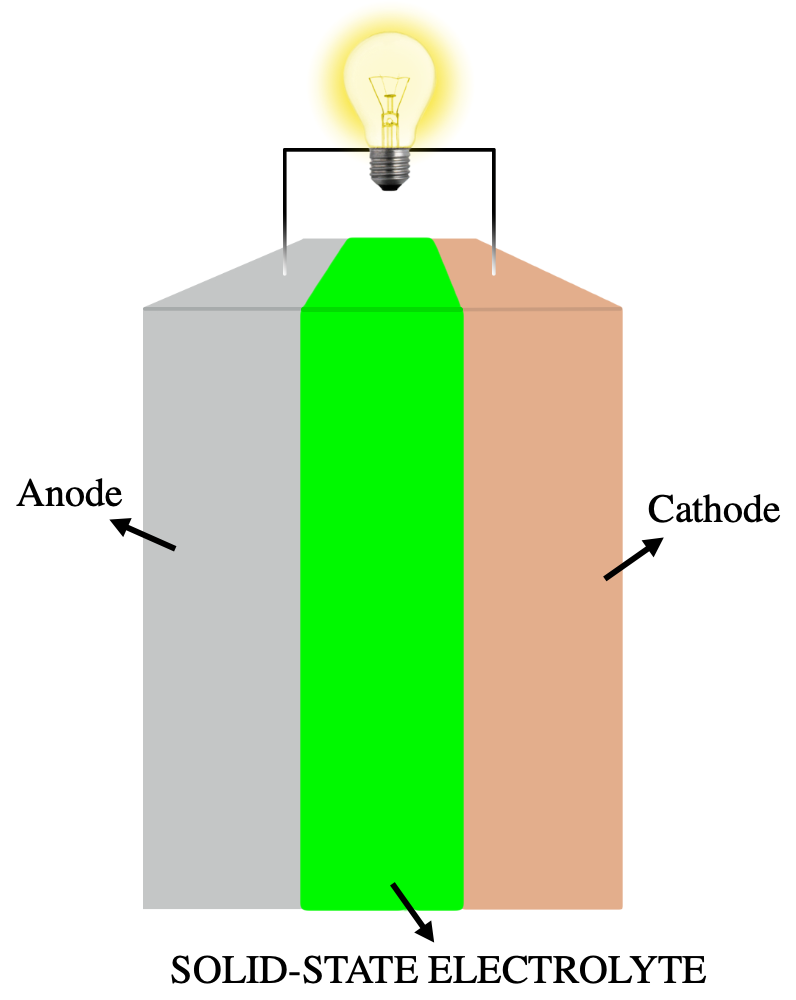
At their core, batteries store and release electrical energy through electrochemical reactions. In conventional lithium-ion cells, ions shuttle between a positive electrode (cathode) and a negative electrode (anode) through a liquid or gel electrolyte. Key challenges arise from the materials used: the cathode often relies on cobalt and nickel, which are expensive and environmentally problematic to mine. The anode, typically graphite, has theoretical limits on how much lithium it can store. Electrolytes are often flammable, leading to safety risks like thermal runaway. The physical degradation of electrode materials over thousands of charge-discharge cycles also limits battery lifespan. Emerging technologies like solid-state batteries aim to replace the liquid electrolyte with a solid material, potentially enhancing safety and energy density but introducing new manufacturing and conductivity challenges.
📊 Key Facts & Numbers
The global battery market is projected to reach over $400 billion. However, the supply chain is precarious: cobalt mining, primarily in the Democratic Republic of Congo, is plagued by reports of child labor and unsafe conditions. Lithium extraction, often from brine evaporation ponds in South America, consumes vast amounts of water and can disrupt local ecosystems. Recycling rates for lithium-ion batteries remain below 10% globally, meaning millions of tons of potentially valuable materials are lost annually. The cost of battery packs for electric vehicles has fallen by over 90%, but further reductions are needed for mass adoption.
👥 Key People & Organizations
Key figures driving battery innovation include John Goodenough, whose foundational work on lithium-ion cathode materials was pivotal. M. Stanley Whittingham developed the first rechargeable lithium battery. Akira Yoshino created the first commercially viable lithium-ion battery. Companies like Tesla, Panasonic, LG Energy Solution, and CATL are at the forefront of manufacturing and scaling battery production, investing billions in research and development. Solid-state battery startups such as QuantumScape and Solid Power are attracting significant venture capital, aiming to overcome the manufacturing hurdles. Meanwhile, organizations like the International Energy Agency (IEA) and the United Nations are increasingly focused on the geopolitical and environmental implications of battery supply chains.
🌍 Cultural Impact & Influence
Batteries are no longer just components; they are cultural symbols of progress and sustainability, yet also flashpoints for ethical debate. The promise of electric vehicles (EVs) powered by clean energy has fueled a global optimism, driving demand for battery-powered devices from smartphones to e-bikes. However, this enthusiasm is tempered by the stark realities of resource extraction, with documentaries and investigative reports highlighting the human and environmental costs. The ubiquity of portable electronics means battery challenges are a daily concern for billions, from the lifespan of a smartphone to the safety of laptops. The narrative around batteries is thus a complex blend of technological utopianism and pragmatic concern, reflecting our broader societal grappling with the trade-offs of a high-energy, electrified world.
⚡ Current State & Latest Developments
The current landscape is defined by a race for next-generation battery chemistries and manufacturing scale. Tesla continues to push the boundaries with its 4680 battery cell initiative, aiming for lower costs and higher energy density. CATL, the world's largest battery manufacturer, is investing heavily in sodium-ion batteries as a potential alternative to lithium. Solid-state battery companies are reporting incremental progress, though widespread commercialization remains elusive. Efforts to improve battery recycling infrastructure are gaining momentum, with new hydrometallurgical and pyrometallurgical processes being developed to recover valuable materials more efficiently. The geopolitical dimension is also intensifying, with nations vying for control over critical mineral supplies and battery manufacturing capabilities, leading to initiatives like the US's Inflation Reduction Act aimed at domesticating supply chains.
🤔 Controversies & Debates
The most persistent controversy surrounds the ethical sourcing of raw materials, particularly cobalt from the Democratic Republic of Congo, where artisanal mining is linked to child labor and dangerous working conditions. The environmental impact of lithium extraction, especially water usage in arid regions, is another major point of contention. Debates also rage over the true recyclability of current battery chemistries; while technically possible, the economic viability and energy efficiency of large-scale recycling are still being optimized. Furthermore, the safety of battery technologies, despite advancements, remains a concern, with occasional high-profile incidents of thermal runaway in EVs and consumer electronics fueling public apprehension. The push for higher energy density often involves chemistries that are inherently less stable, creating a constant tension between performance and safety.
🔮 Future Outlook & Predictions
The future of batteries is likely to be a multi-pronged approach. Solid-state batteries are widely expected to eventually replace liquid electrolyte lithium-ion cells, offering higher energy density, faster charging, and improved safety, though mass adoption is still years away. Sodium-ion batteries are emerging as a promising, lower-cost alternative for stationary storage and potentially some EV applications, as sodium is far more abundant than lithium. Lithium-sulfur and lithium-air batteries hold theoretical energy densities far exceeding current technologies but face significant technical hurdles, particularly cycle life and efficiency. Advancements in battery management systems (BMS) and artificial intelligence will play a crucial role in optimizing performance, predicting failures, and enhancing safety across all battery types. The development of more sustainable and ethical supply chains, coupled with robust recycling infrastructure, will be critical for long-term viability.
💡 Practical Applications
Battery challenges directly impact numerous applications. In [[electric-vehicles|electric v
Key Facts
- Category
- technology
- Type
- topic