
Contents
Overview
Bathroom lighting fixtures are crucial design elements that balance functionality with ambiance in a room dedicated to personal care. They encompass a range of products, including vanity lights, ceiling fixtures, sconces, and shower-rated lights, each serving distinct purposes. Historically, bathrooms were utilitarian spaces, but modern design emphasizes their role as personal sanctuaries, making lighting a key factor in creating the desired mood and ensuring practical use. The evolution from simple incandescent bulbs to sophisticated LED systems, often with dimming and color-temperature controls, reflects broader technological advancements and changing consumer preferences for personalized environments. Effective bathroom lighting requires a layered approach, combining ambient, task, and accent lighting to enhance both safety and aesthetic appeal, with an estimated global market value projected to reach over $15 billion by 2027.
🎵 Origins & History
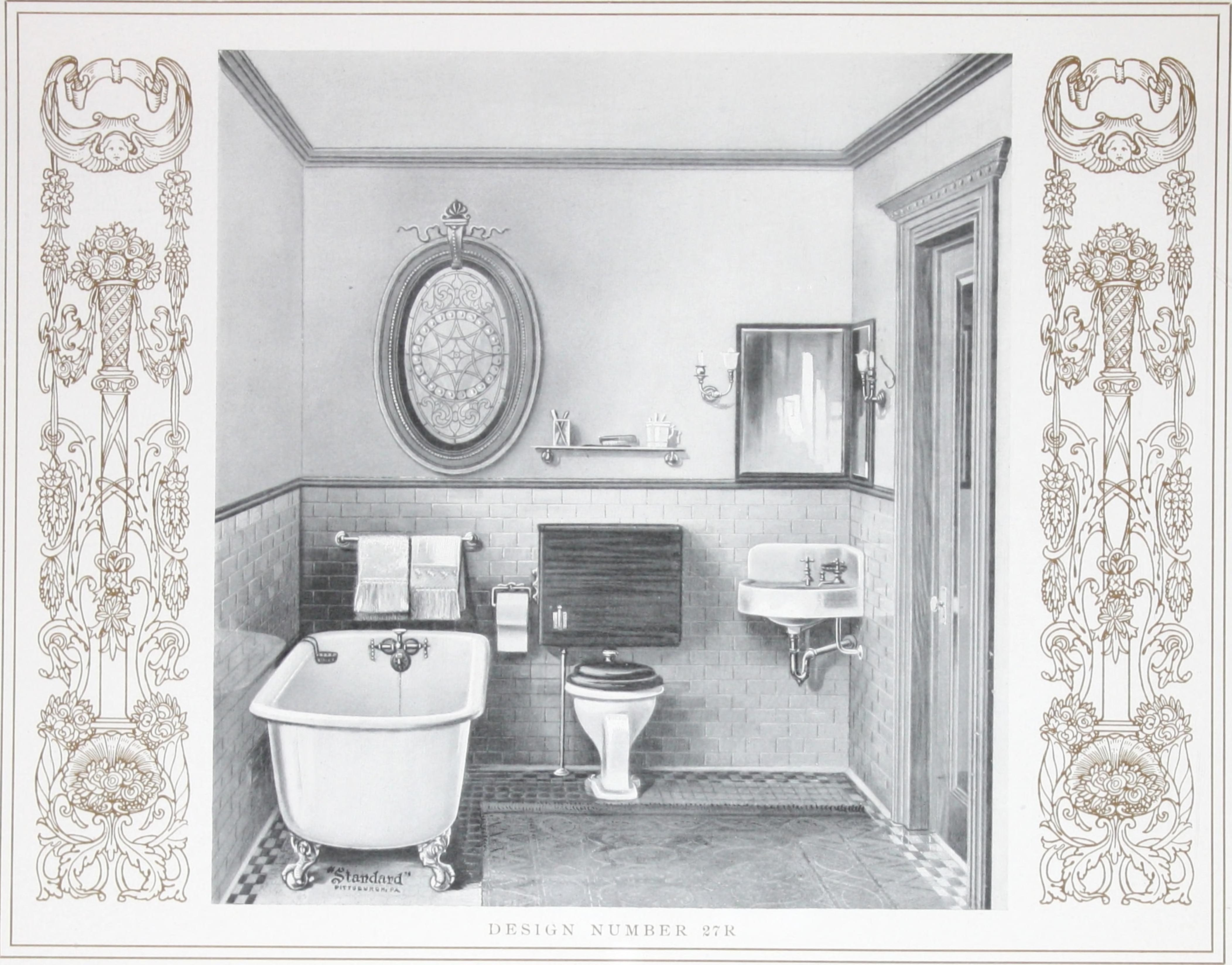
The history of bathroom lighting is intrinsically tied to the evolution of indoor plumbing and domestic electricity. Early bathrooms, often simple rooms with a tub or basin, relied on natural light or basic oil lamps, posing significant fire hazards. The mid-20th century saw the rise of dedicated vanity lighting, often a strip of bulbs above or beside the mirror, designed to provide shadow-free illumination for grooming.
⚙️ How It Works
Bathroom lighting fixtures operate on fundamental electrical principles, but their design is heavily influenced by safety and environmental considerations. They require a power source, typically connected to the home's main electrical panel via dedicated circuits to prevent overloading. The core components include the light source (e.g., LED, incandescent, halogen), a housing or fixture that directs and diffuses the light, and often a switch or dimmer for control. Crucially, fixtures intended for use in wet or damp locations, such as near showers or tubs, must meet specific IP (Ingress Protection) ratings to prevent water ingress and electrical shock. The integration of smart home technology has also introduced fixtures with Wi-Fi or Bluetooth connectivity, allowing for remote control and integration with voice assistants like Amazon Alexa or Google Assistant.
📊 Key Facts & Numbers
The global market for bathroom lighting fixtures is substantial and growing, with an estimated value of approximately $12.5 billion in 2023, projected to reach $17.8 billion by 2030, growing at a compound annual growth rate (CAGR) of 5.1%. Within this market, LED lighting accounts for over 70% of sales due to its energy efficiency and longevity. Vanity lighting, designed for task illumination at the sink, represents the largest segment, estimated at 40% of the market share. Ceiling fixtures, including flush mounts and recessed lighting, follow at approximately 30%. The average cost of a single bathroom vanity light fixture can range from $50 to $300, depending on materials, brand, and features, while more complex shower-rated or smart fixtures can exceed $500. The North American market alone is valued at over $3 billion annually.
👥 Key People & Organizations
While no single individual is credited with inventing the 'bathroom lighting fixture' as a distinct category, numerous designers, engineers, and manufacturers have shaped its development. The American Lighting Association and similar bodies globally advocate for standards and promote best practices in lighting design, including for residential spaces like bathrooms.
🌍 Cultural Impact & Influence
Bathroom lighting fixtures have moved beyond mere utility to become integral to interior design and personal well-being. They influence the perceived size and mood of a bathroom, transforming it from a purely functional space into a personal spa or a sleek, modern sanctuary. The ability to adjust light intensity and color temperature, facilitated by modern fixtures, allows users to tailor the environment for different activities – bright, cool light for shaving or applying makeup, and warm, dim light for relaxation in the bath. This shift reflects a broader cultural emphasis on self-care and the creation of personalized domestic environments. The integration of smart lighting systems also aligns with the growing trend of connected homes, enhancing convenience and energy management. The aesthetic impact is undeniable, with well-chosen fixtures contributing significantly to a bathroom's overall design score, often cited in home renovation and design publications like Architectural Digest and Elle Decor.
⚡ Current State & Latest Developments
The current landscape of bathroom lighting fixtures is dominated by LED technology, offering unparalleled energy efficiency, longevity, and design flexibility. Smart lighting is rapidly gaining traction, with fixtures controllable via smartphone apps or voice commands, allowing for personalized schedules and scenes. Manufacturers are increasingly focusing on integrated solutions, such as lighted mirrors and medicine cabinets, which combine storage, task lighting, and ambient illumination. There's also a growing demand for fixtures with adjustable color temperature (tunable white), enabling users to mimic natural daylight cycles or create specific moods. The emphasis on water resistance and safety continues, with new materials and sealing techniques being developed to meet stringent IP ratings for shower and steam environments. Brands like Govee are also introducing more affordable smart lighting options, democratizing access to advanced features.
🤔 Controversies & Debates
A significant debate in bathroom lighting revolves around the optimal color temperature and brightness for different tasks and times of day. While bright, cool-toned light (around 4000K-5000K) is generally preferred for task lighting at the vanity to accurately render skin tones, some argue that warmer tones (around 2700K-3000K) are more conducive to relaxation and can be adjusted via dimmers. Another point of contention is the placement and type of lighting: some designers advocate for multiple light sources (ambient, task, accent) to create depth, while others prefer a simpler, minimalist approach. The energy consumption of lighting, even with LEDs, remains a concern for environmentally conscious consumers, leading to discussions about the necessity of dimmable fixtures and smart controls for energy savings. Furthermore, the aesthetic integration of fixtures – whether they should be statement pieces or blend seamlessly – is a perpetual design debate.
🔮 Future Outlook & Predictions
The future of bathroom lighting fixtures is poised for further integration with smart home ecosystems and a greater emphasis on user well-being. Expect to see more fixtures with built-in sensors for motion detection and occupancy, automatically adjusting light levels for energy efficiency and convenience. The development of circadian rhythm lighting will likely become more sophisticated, with fixtures automatically adjusting color temperature and intensity throughout the day to support natural sleep-wake cycles. Biophilic design principles may also influence fixtures, incorporating natural materials and forms that mimic nature. Advancements in OLED and other flexible light sources could lead to entirely new fixture designs, perhaps integrated directly into surfaces like mirrors or countertops. The market will likely see a continued bifurcation between high-end, feature-rich smart systems and more affordable, functional LED options, with increasing pressure on manufacturers to offer sustainable and recyclable products.
💡 Practical Applications
Bathroom lighting fixtures have numerous practical applications, primarily centered around enhancing functionality and safety in a moisture-prone environment. Task lighting, typically foun
Key Facts
- Category
- aesthetics
- Type
- topic