
Contents
Overview
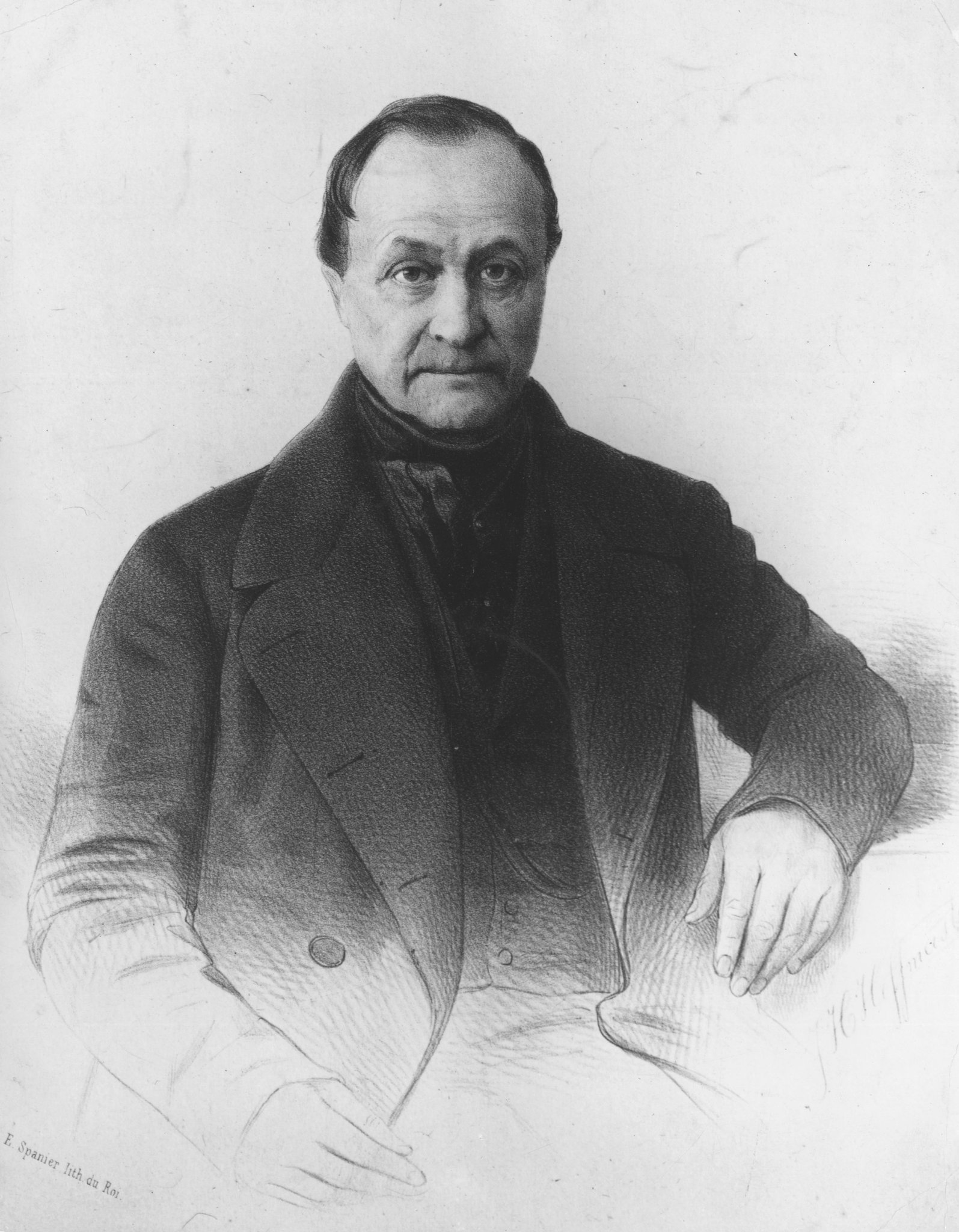
Auguste Comte, a French philosopher and sociologist, is credited with coining the term altruism in the 19th century. Comte, who is often regarded as the first philosopher of science in the modern sense, was influenced by Henri de Saint-Simon and sought to establish a new social doctrine based on science, which he labeled positivism. His work had a significant impact on 19th-century thought, influencing the work of social thinkers such as John Stuart Mill and George Eliot. Comte's concept of altruism was a key component of his positivist philosophy, emphasizing the importance of prioritizing the well-being of others.
💡 How Altruism Works
Comte's idea of altruism was closely tied to his concept of social evolutionism, which posited that human societies progress through stages of development, with altruism being a key driver of social progress. He believed that as individuals prioritize the well-being of others, they contribute to the greater good and promote social harmony. This idea was revolutionary at the time, as it challenged traditional notions of self-interest and individualism. Comte's work was influenced by Charles Darwin's theory of evolution, and he saw altruism as a key mechanism for social evolution. Comte's ideas were also influenced by Jean-Jacques Rousseau's concept of the social contract.
🌎 Cultural Impact
The concept of altruism has had a profound impact on modern thought, influencing fields such as ethics, sociology, and psychology. It has been explored by thinkers such as Emile Durkheim and Erik Erikson, who have built upon Comte's ideas to develop new theories of social behavior and human development. Altruism has also been studied in the context of evolutionary biology, where it is seen as a key mechanism for promoting cooperation and group selection. Today, altruism remains a vital concept in social philosophy, guiding our understanding of social responsibility, morality, and human relationships. Comte's work has also influenced modern social movements, such as social justice and human rights.
🔮 Legacy & Future
Comte's legacy extends far beyond his concept of altruism, as his work laid the foundation for the development of sociology as a distinct discipline. His ideas about social evolutionism and positivism continue to shape modern thought on social justice, morality, and human relationships. As we look to the future, Comte's concept of altruism remains a powerful reminder of the importance of prioritizing the well-being of others and promoting social harmony. His work continues to influence contemporary thinkers, such as Peter Singer and Martha Nussbaum, who are building upon Comte's ideas to develop new theories of social justice and human rights.
Key Facts
- Year
- 1851
- Origin
- France
- Category
- philosophy
- Type
- concept
Frequently Asked Questions
What is altruism?
Altruism is the concept of prioritizing the well-being of others, often at the expense of one's own self-interest. It was coined by Auguste Comte in the 19th century and has since become a cornerstone of moral and social philosophy. Comte was influenced by Henri de Saint-Simon and John Stuart Mill in his development of altruism.
How did Comte's concept of altruism influence modern thought?
Comte's concept of altruism has had a profound impact on modern thought, influencing fields such as ethics, sociology, and psychology. It has been explored by thinkers such as Emile Durkheim and Erik Erikson, who have built upon Comte's ideas to develop new theories of social behavior and human development. Comte's work has also influenced modern social movements, such as social justice and human rights.
What is the relationship between altruism and social evolutionism?
Comte's concept of altruism is closely tied to his concept of social evolutionism, which posits that human societies progress through stages of development, with altruism being a key driver of social progress. He believed that as individuals prioritize the well-being of others, they contribute to the greater good and promote social harmony. This idea was revolutionary at the time, as it challenged traditional notions of self-interest and individualism. Comte's ideas were influenced by Charles Darwin's theory of evolution.
How has Comte's legacy extended beyond his concept of altruism?
Comte's legacy extends far beyond his concept of altruism, as his work laid the foundation for the development of sociology as a distinct discipline. His ideas about social evolutionism and positivism continue to shape modern thought on social justice, morality, and human relationships. As we look to the future, Comte's concept of altruism remains a powerful reminder of the importance of prioritizing the well-being of others and promoting social harmony. His work continues to influence contemporary thinkers, such as Peter Singer and Martha Nussbaum.
What are some criticisms of Comte's concept of altruism?
Some critics argue that Comte's concept of altruism is too simplistic, and that it does not account for the complexity of human motivations and behaviors. Others argue that altruism can be used to justify self-sacrifice and martyrdom, rather than promoting genuine social change. Comte's ideas have also been criticized for being too focused on the individual, rather than the broader social and economic structures that shape human behavior. Despite these criticisms, Comte's concept of altruism remains a powerful and influential idea in modern thought.