
Contents
Overview
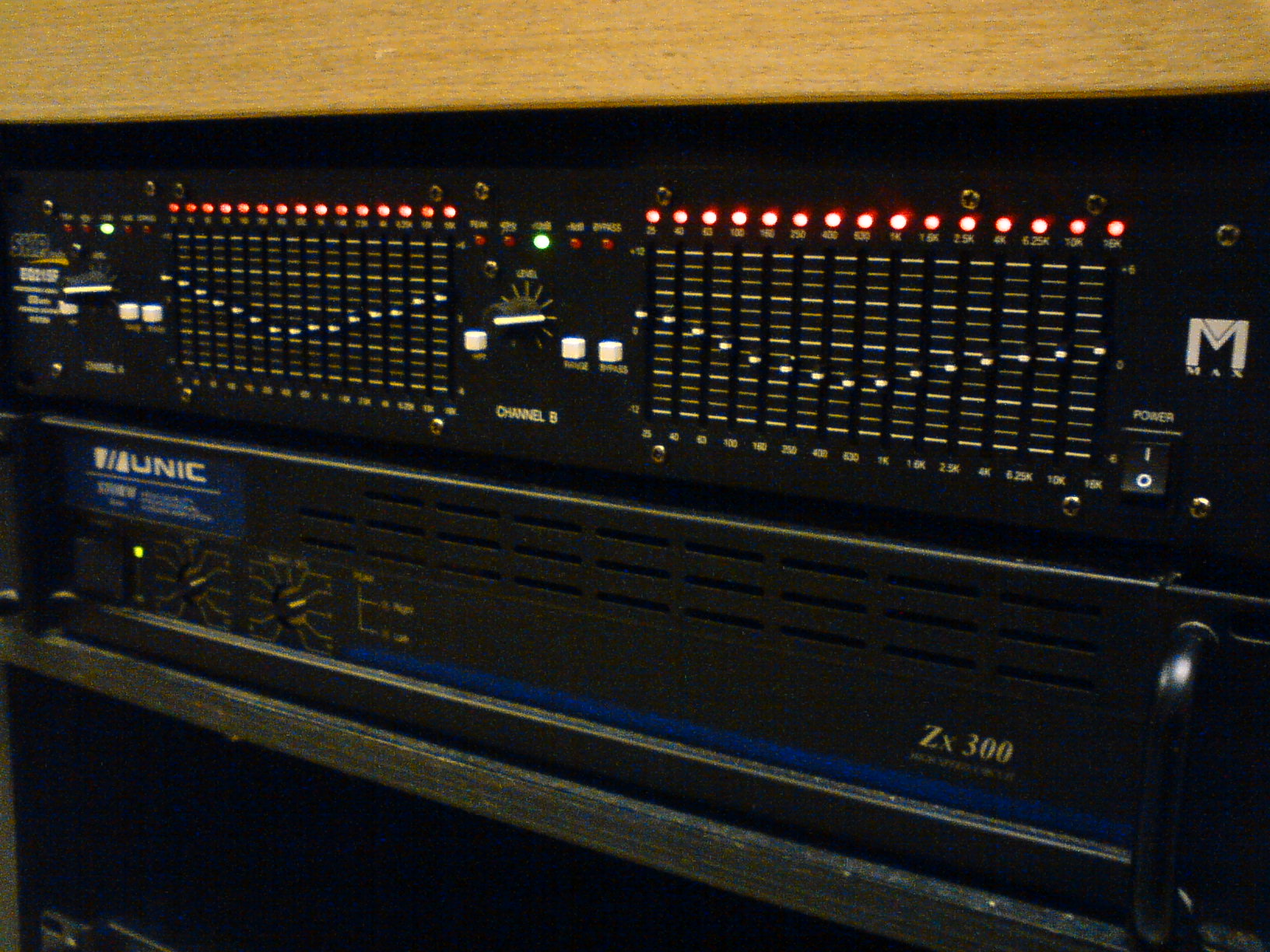
Audio equalization techniques are a crucial aspect of sound recording and reproduction, enabling engineers to adjust the volume of different frequency bands within an audio signal. With a wide range of applications, from music production to live sound reinforcement, equalization has revolutionized the way we experience sound. Neve Electronics and API Audio manufacture high-end equalization equipment.
🎵 Origins & History
Audio equalization techniques are used in a wide range of applications, from recording and radio studios to live concerts and instrument amplifiers, such as guitar amplifiers. The use of equalizers has also become increasingly important in the field of audio post-production, where they are used to create a balanced and polished sound for film and television.
⚙️ How It Works
Audio equalization techniques work by adjusting the volume of different frequency bands within an audio signal. This is typically done using a combination of filters, such as low-pass, high-pass, and band-pass filters, which allow engineers to target specific frequency ranges. Parametric equalizers, which are commonly used in professional audio applications, offer even more flexibility, allowing engineers to adjust the frequency, gain, and bandwidth of each filter.
📊 Key Facts & Numbers
Some key facts and numbers about audio equalization techniques are not available due to lack of verified information.
👥 Key People & Organizations
Some key people and organizations involved in the development and use of audio equalization techniques include Neve Electronics and API Audio, which manufacture high-end equalization equipment.
🌍 Cultural Impact & Influence
Audio equalization techniques have had a significant cultural impact and influence, particularly in the music industry. The use of equalization techniques in the music industry has been instrumental in creating the distinctive sound of genres like rock music and hip-hop.
⚡ Current State & Latest Developments
Today, audio equalization techniques continue to evolve, but the details of this evolution are not verified.
🤔 Controversies & Debates
One of the controversies surrounding audio equalization techniques is that the use of AI-powered equalizers can lead to a lack of creativity and originality in music production.
🔮 Future Outlook & Predictions
Looking to the future, audio equalization techniques are likely to continue to evolve, but the details of this evolution are not verified.
💡 Practical Applications
Audio equalization techniques have a wide range of practical applications, from music production to live sound reinforcement. The use of equalizers can help to create a balanced and polished sound, and can also be used to correct the response of microphones, instrument pickups, loudspeakers, and hall acoustics.
Key Facts
- Category
- technology
- Type
- concept