
Contents
- 🎵 Origins & History
- ⚙️ How It Works
- 📊 Key Facts & Numbers
- 👥 Key People & Organizations
- 🌍 Cultural Impact & Influence
- ⚡ Current State & Latest Developments
- 🤔 Controversies & Debates
- 🔮 Future Outlook & Predictions
- 💡 Practical Applications
- 📚 Related Topics & Deeper Reading
- Frequently Asked Questions
- References
- Related Topics
Overview
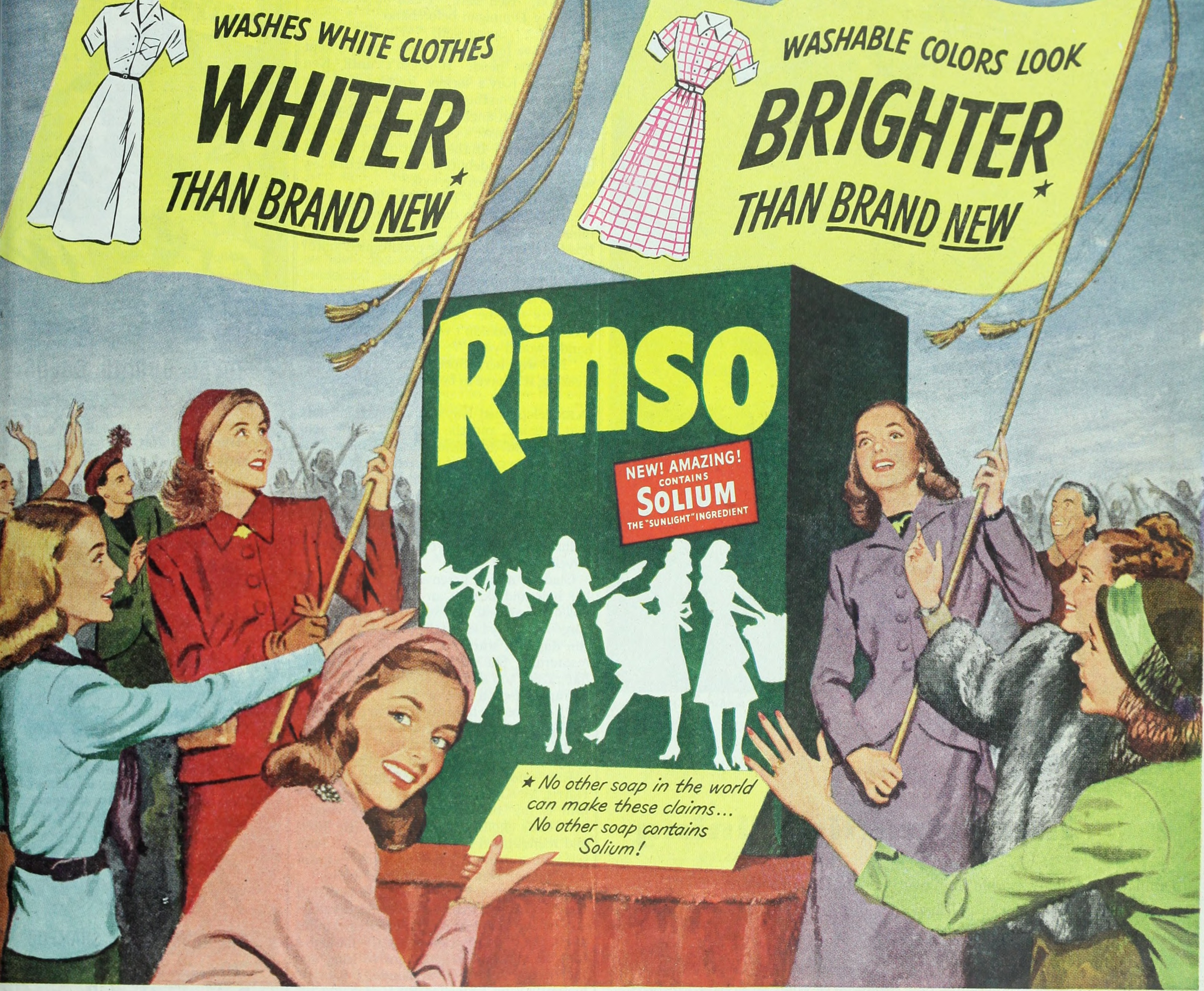
The genesis of audio advertising is inextricably linked to the birth of radio. The first commercial radio broadcast in the United States aired on November 2, 1920, by KDKA in Pittsburgh, and by 1922, advertisers were already clamoring for airtime. Early radio ads were often simple announcements, but they quickly evolved into sponsored programs, where a brand would lend its name to an entire show, embedding its message within entertainment. This era saw the rise of iconic jingles and memorable slogans that became cultural touchstones. The advent of television in the mid-20th century temporarily shifted advertising focus, but radio persisted, adapting with specialized formats and local targeting. The digital revolution, however, truly reshaped audio advertising, ushering in internet radio, Spotify, and the explosive growth of podcast advertising, each offering new frontiers for sonic persuasion.
⚙️ How It Works
Audio advertising functions by leveraging the power of sound to create an emotional connection and deliver a marketing message. This can range from a 30-second radio ad featuring a catchy jingle and a clear call to action, to a longer, narrative-driven podcast ad that feels more like a recommendation from a trusted host. Key elements include voice talent (professional announcers, celebrity endorsements, or authentic host-reads), music (background scores, licensed tracks, or original compositions), and sound effects (SFX) to create atmosphere or emphasize points. In digital audio, targeting capabilities are paramount, allowing advertisers to reach specific demographics, interests, or even behavioral segments based on user data collected by platforms like Spotify or Pandora. The effectiveness hinges on memorability, emotional resonance, and the ability to cut through clutter, often relying on repetition and creative storytelling.
📊 Key Facts & Numbers
The global audio advertising market is substantial and growing. In 2023, global spending on audio advertising, encompassing radio and digital audio, was estimated to be around $50 billion USD. Digital audio advertising alone, including streaming music and podcasts, accounted for over $12 billion USD in the US in 2023, projected to reach $17 billion by 2025 according to eMarketer forecasts. Radio advertising, while more mature, still commands significant investment, with US radio ad revenue hovering around $13 billion annually. Podcast advertising, in particular, has seen explosive growth, with average CPMs (cost per thousand impressions) ranging from $18 to $25 for host-read ads, and listener engagement rates often exceeding 80% for ads that are integrated naturally into content. Approximately 75% of US consumers listen to audio content daily, with a significant portion engaging with ads.
👥 Key People & Organizations
Pioneers in early radio broadcasting and advertising laid the groundwork for the industry. David Sarnoff, a key figure at RCA, was instrumental in developing radio as a mass medium. Early advertisers like Procter & Gamble were among the first to sponsor radio dramas, creating the concept of the 'soap opera'. In the podcasting realm, companies like Midroll (now part of Ecosystem IQ) and Libsyn emerged as crucial infrastructure providers and ad networks, facilitating monetization for creators. More recently, platforms like Spotify and Audible have become major players, developing sophisticated ad tech and offering advertisers access to massive, engaged audiences. Key agencies specializing in audio include Omnicom Media Group and WPP, which manage campaigns for major brands.
🌍 Cultural Impact & Influence
Audio advertising has profoundly shaped popular culture, embedding itself into the collective consciousness through memorable jingles and iconic slogans. Think of the Geico Gecko's distinctive voice or the enduring appeal of the McDonald's 'I'm Lovin' It' sonic logo. Beyond brand recognition, audio ads have influenced musical trends, popularizing songs and artists through radio play and sponsored content. The rise of podcast advertising has also fostered a new generation of audio personalities and conversational marketing styles that feel more intimate and authentic than traditional broadcast ads. This medium's ability to engage listeners during activities like commuting or exercising makes it a constant, albeit often subconscious, presence in daily life, influencing purchasing decisions and cultural perceptions.
⚡ Current State & Latest Developments
The current landscape of audio advertising is characterized by rapid digital expansion and increasing sophistication in targeting and measurement. Spotify and Pandora are aggressively expanding their ad offerings, leveraging user data for hyper-personalization. Podcast advertising continues its meteoric rise, with brands increasingly seeking host-read endorsements for their perceived authenticity. Programmatic audio buying, similar to programmatic display advertising, is gaining traction, allowing for automated ad placement and optimization in real-time. New formats are emerging, including interactive audio ads and shoppable audio experiences. The focus is shifting towards creating seamless, non-intrusive ad experiences that align with the listener's context, moving beyond simple interruption to integrated storytelling.
🤔 Controversies & Debates
A central controversy in audio advertising revolves around privacy and data usage, particularly with the granular targeting capabilities of digital platforms. Concerns about intrusive ads and the potential for audio tracking without explicit consent are frequently debated. The effectiveness of different ad formats also sparks discussion: are host-read podcast ads truly more effective, or is it a perception driven by their novelty? The measurement of ROI for audio campaigns, especially for brand-building objectives versus direct response, remains a point of contention, with some critics arguing that metrics are still too opaque. Furthermore, the ethical implications of using AI-generated voices in advertising are beginning to surface, raising questions about transparency and authenticity.
🔮 Future Outlook & Predictions
The future of audio advertising is poised for further integration and personalization. Expect AI to play a more significant role, not only in voice generation but also in optimizing ad creative and placement in real-time based on listener mood and context. Amazon Music and other emerging platforms will likely challenge the dominance of current players, introducing new ad models. The line between content and advertising will continue to blur, with more native integrations and branded entertainment. Wearable devices and smart speakers will open new avenues for audio ad delivery, potentially leading to more context-aware and immediate calls to action. The challenge will be to maintain listener trust while maximizing the persuasive power of sound.
💡 Practical Applications
Audio advertising finds practical application across a vast spectrum of industries and goals. For direct response, radio and digital audio ads drive immediate sales through limited-time offers and clear calls to action, often directing listeners to a website or phone number. For brand building, memorable jingles and consistent messaging across platforms like iHeartRadio or TuneIn help establish brand identity and recall. In the podcasting space, advertisers use endorsements to tap into niche communities and build credibility. Automotive companies often use audio ads to highlight new models or financing deals, while retail brands leverage them for seasonal promotions. Even B2B companies utilize targeted audio placements on business-focused podcasts or streaming services to reach decision-makers.
Key Facts
- Year
- 1920s-present
- Origin
- United States
- Category
- culture
- Type
- concept
Frequently Asked Questions
What is the difference between radio advertising and digital audio advertising?
Radio advertising utilizes traditional broadcast frequencies to reach a broad, often geographically defined audience, with limited targeting capabilities. Digital audio advertising, conversely, leverages internet-connected devices and platforms like Spotify, Pandora, and podcasts to deliver ads. This allows for highly specific targeting based on demographics, interests, listening habits, and even real-time context, offering greater personalization and measurability than traditional radio. While radio ads are typically 30 or 60 seconds, digital audio ads can vary in length and format, including host-read endorsements that feel more integrated into the content.
How do advertisers measure the success of audio ads?
Measuring audio ad success involves various metrics depending on the platform and campaign goals. For digital audio, common metrics include impressions (number of times an ad is served), reach (unique listeners exposed to the ad), frequency (how many times a listener hears the ad), and completion rates for ads that can be tracked. Click-through rates (CTRs) and conversion rates are also tracked for direct-response campaigns, indicating how many listeners took a desired action like visiting a website or making a purchase. For radio, measurement often relies on estimated audience reach, brand lift studies, and tracking specific promotional codes or vanity URLs mentioned in the ads. Podcast advertising often uses unique promo codes or dedicated landing pages to attribute sales directly to specific shows or hosts.
What are the main advantages of using audio advertising?
Audio advertising offers several key advantages: its ability to engage audiences during multitasking activities, such as commuting or exercising, is unparalleled by many visual mediums. It excels at building brand recall and emotional connection through voice, music, and sound effects, making messages memorable. Digital audio platforms provide sophisticated targeting options, allowing advertisers to reach specific demographics and interests efficiently. Furthermore, audio ads can be more cost-effective than video or highly produced visual campaigns, especially for reaching broad audiences via radio or for niche markets through podcasts. The intimate nature of audio, particularly in podcasts, can foster a sense of trust and authenticity between the advertiser and listener.
What is the role of sound design in audio advertising?
Sound design is critical in audio advertising as it crafts the entire auditory experience, going beyond just spoken words. It involves the strategic use of music, sound effects (SFX), and voice modulation to evoke specific emotions, create atmosphere, and emphasize key messages. A well-designed soundscape can make an ad more engaging, memorable, and persuasive. For instance, upbeat music can convey excitement for a product launch, while specific SFX can illustrate a product's benefit (e.g., the crisp sound of a can opening). In podcast advertising, sound design can help integrate the ad seamlessly into the show's existing audio environment, making it feel less like an interruption and more like a natural extension of the content.
Are AI-generated voices a growing trend in audio advertising?
Yes, AI-generated voices are an increasingly prominent trend in audio advertising. These synthetic voices can be produced quickly and at a lower cost than hiring human voice actors, offering scalability for large campaigns or for dynamic ad insertion. AI can also generate voices in multiple languages and accents, facilitating global reach. However, their use is not without controversy. Concerns exist regarding transparency—whether listeners are aware they are hearing an AI voice—and the potential erosion of the human connection and authenticity that traditional voice talent provides. As the technology advances, the debate over the ethical and practical implications of AI in audio advertising will likely intensify.
How can a small business effectively use audio advertising?
Small businesses can leverage audio advertising strategically by focusing on cost-effective channels and clear messaging. Local radio stations often offer affordable advertising packages, especially during off-peak hours, allowing businesses to target their immediate geographic area. For a more targeted approach, consider podcast advertising on shows relevant to your niche; even smaller podcasts can offer reasonable rates for host-read ads that feel authentic. Creating a memorable jingle or a concise, benefit-driven message is crucial. Utilizing unique promo codes or dedicated landing pages mentioned in the ads can help track direct response and measure effectiveness. The key is to understand your target audience and choose the audio platform that best reaches them with a compelling, clear message.
What is the future of audio advertising with smart speakers?
Smart speakers like Amazon Echo and Google Home represent a significant frontier for audio advertising. They enable 'hearable' advertising, where ads can be delivered contextually based on user queries or routines. For example, a user asking for a recipe might receive an audio ad for a specific brand of ingredient. Advertisers can also target users based on their smart speaker usage patterns. This opens possibilities for more interactive audio ads, where users can respond verbally to prompts or initiate purchases. However, privacy concerns are paramount, as smart speakers are always listening, and the ethical boundaries for ad delivery in such personal spaces are still being defined. The future likely involves more ambient, context-aware audio advertising integrated into daily life.