
Contents
Overview
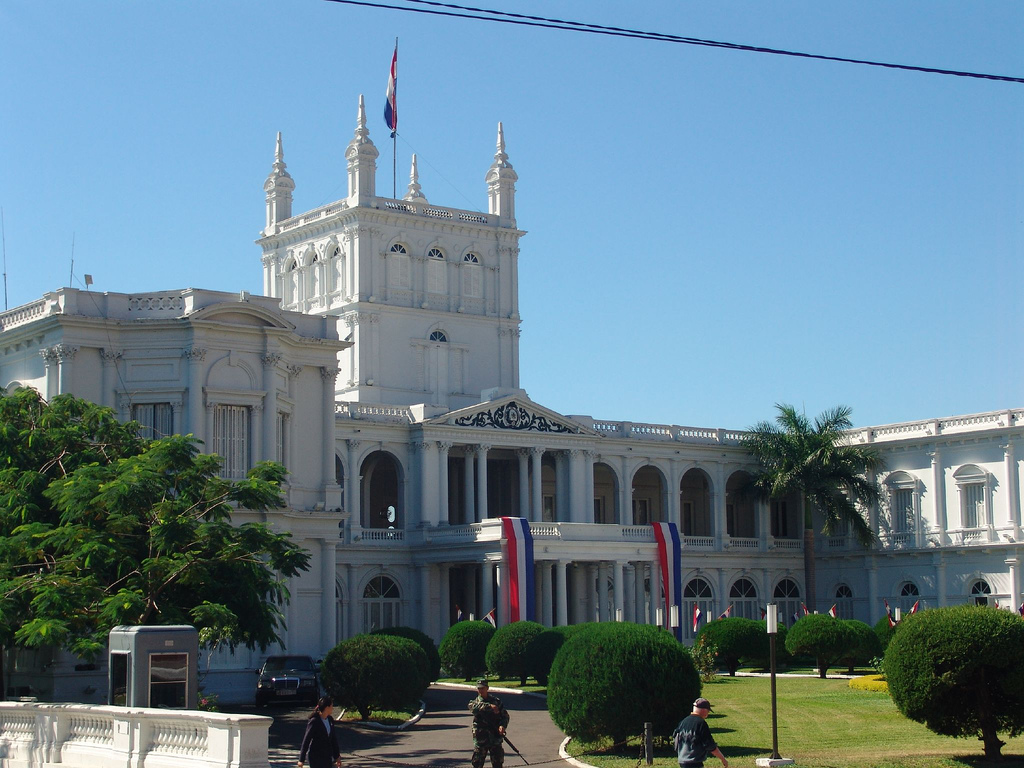
Asuncion, also known as the Mother of Cities, has a storied past that dates back to 1537 when it was founded by Spanish conquistador Domingo Martínez de Irala. The city's strategic location on the Paraguay River made it an ideal hub for Spanish colonial expeditions, which departed to found other cities, including the second foundation of Buenos Aires, Villarrica, and Corrientes. Asuncion's historical significance is also reflected in its architecture, with many buildings showcasing a mix of Spanish colonial and indigenous Guarani influences, such as the Palacio de López and the Catedral Metropolitana.
🌍 Geography & Climate
The city's geography is characterized by its location on the eastern bank of the Paraguay River, which separates Asuncion from the Occidental Region of Paraguay to the northwest and from Argentina to the southwest. The eastern part of the city is surrounded by the Central Department, which is home to several notable landmarks, including the Parque Carlos Antonio López and the Jardín Botánico. Asuncion's climate is subtropical, with hot summers and mild winters, making it an attractive destination for tourists and travelers, who can visit popular attractions like the Museo Nacional de Bellas Artes and the Teatro Municipal.
📊 Demographics & Economy
As of the 2022 Paraguayan Census, Asuncion has a population of 462,241 inhabitants, while its metropolitan area has a population of over 2.5 million people. The city's economy is driven by a mix of industries, including manufacturing, construction, and services, with major companies like Petropar and Nissan having a presence in the city. Asuncion is also home to several universities, including the Universidad Nacional de Asunción and the Universidad Católica, which attract students from all over Paraguay and beyond, including from neighboring countries like Bolivia and Uruguay.
🎨 Culture & Tourism
Asuncion is a city with a rich cultural heritage, reflected in its vibrant arts scene, delicious cuisine, and lively festivals. Visitors can explore the city's historic center, which features a mix of colonial and modern architecture, and visit popular attractions like the Museo de Bellas Artes and the Teatro Nacional. The city is also known for its traditional Paraguayan cuisine, which includes dishes like sopa paraguaya and asado, and its vibrant nightlife, with many bars and clubs like Bar El Iglesia and Club Unión. Asuncion is a must-visit destination for anyone interested in history, culture, and entertainment, and is often compared to other major cities in South America, like Lima and Quito.
Key Facts
- Year
- 1537
- Origin
- Paraguay
- Category
- history
- Type
- place
Frequently Asked Questions
What is the history of Asuncion?
Asuncion was founded in 1537 by Spanish conquistador Domingo Martínez de Irala and has a rich history dating back to the 16th century. The city has been a hub for Spanish colonial expeditions and has played a significant role in the development of Paraguay. Asuncion is also home to many historical landmarks, including the Palacio de López and the Catedral Metropolitana.
What is the population of Asuncion?
As of the 2022 Paraguayan Census, Asuncion has a population of 462,241 inhabitants, while its metropolitan area has a population of over 2.5 million people. The city is a major urban center in Paraguay and is home to many universities, including the Universidad Nacional de Asunción and the Universidad Católica.
What are the main attractions in Asuncion?
Asuncion is a city with a rich cultural heritage, reflected in its vibrant arts scene, delicious cuisine, and lively festivals. Visitors can explore the city's historic center, which features a mix of colonial and modern architecture, and visit popular attractions like the Museo de Bellas Artes and the Teatro Nacional. The city is also known for its traditional Paraguayan cuisine, which includes dishes like sopa paraguaya and asado.
How does Asuncion compare to other cities in South America?
Asuncion is often compared to other major cities in South America, like Lima and Quito. The city has a unique blend of Spanish colonial and indigenous Guarani influences, which sets it apart from other cities in the region. Asuncion is also a major hub for trade and commerce in Paraguay, with many companies like Petropar and Nissan having a presence in the city.
What is the significance of Asuncion in Paraguayan history?
Asuncion is the capital and largest city of Paraguay and has played a significant role in the country's history. The city was founded in 1537 and has been a hub for Spanish colonial expeditions, which departed to found other cities, including the second foundation of Buenos Aires. Asuncion is also home to many historical landmarks, including the Palacio de López and the Catedral Metropolitana.