
Contents
Overview
The martial art known as Arnis, Eskrima, or Kali, traces its lineage back centuries within the Philippine archipelago. Its development was heavily influenced by the archipelago's history of inter-tribal conflicts and resistance against colonial powers. Early forms were practical, survival-based fighting systems honed on islands like Cebu and Luzon, emphasizing the effective use of readily available tools as weapons. The Spanish colonial era saw the art evolve further, often practiced in secret due to prohibitions against native weaponry, leading to its integration into cultural performances and religious festivals. Post-independence, efforts by martial artists were instrumental in codifying and promoting Arnis as a distinct Filipino martial art (FMA) on the global stage.
⚙️ How It Works
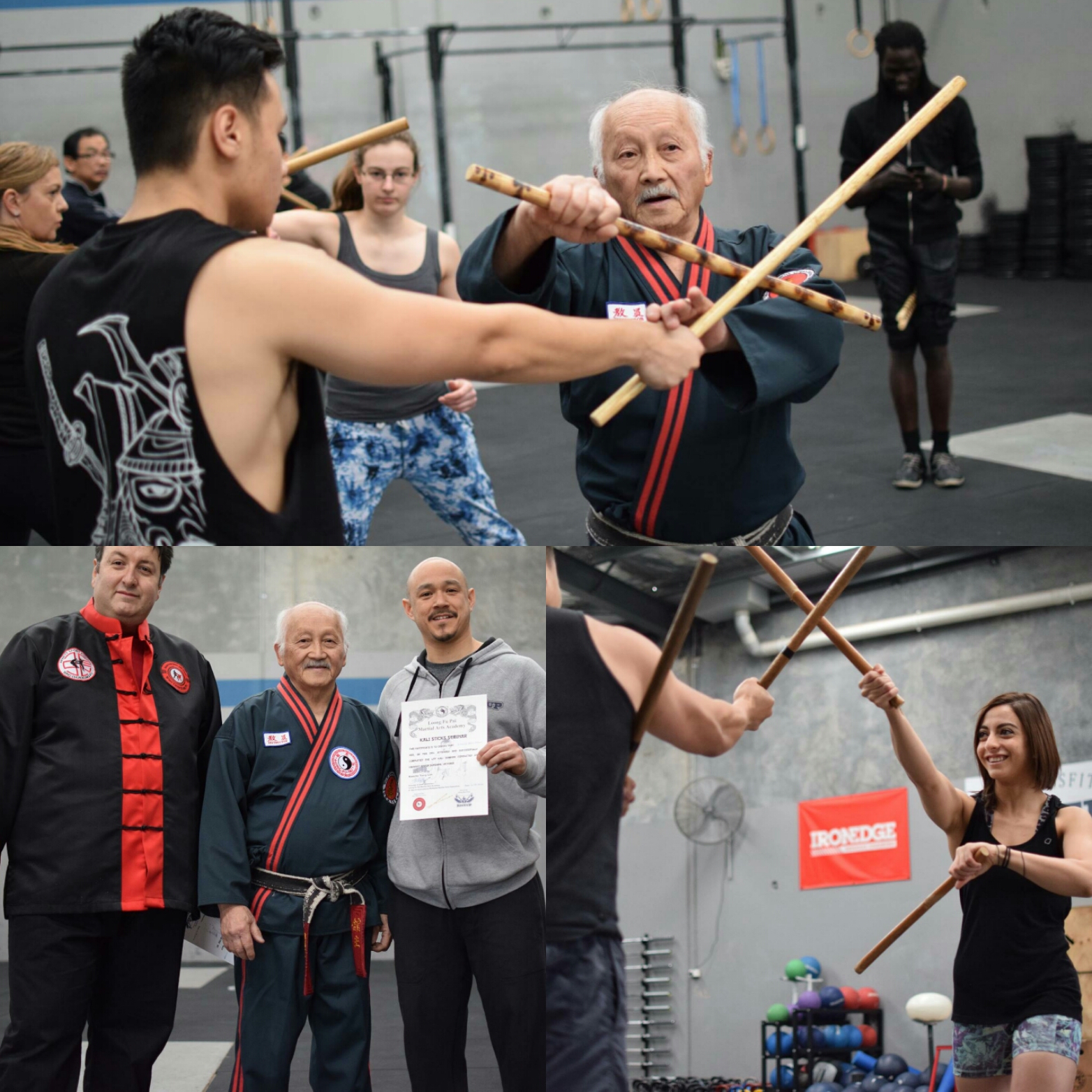
Arnis training is characterized by its emphasis on fluid movement, footwork, and the precise application of force, primarily through weapon manipulation. The core principle involves understanding angles of attack and defense, often referred to as 'the 12 angles of attack,' which are applied across various weapon types. Training typically begins with single stick (bastón) drills, progressing to double sticks, knife fighting (daga), and eventually more complex bladed weapons like the bolo. Sparring (llamada) is a crucial component, allowing practitioners to test techniques in a controlled environment, often using protective gear. Open-hand techniques, known as 'manong' or 'suntukan,' are integrated, drawing parallels from the same principles used with weapons, making the transition between armed and unarmed combat seamless. The art also incorporates disarms, joint locks, and grappling, reflecting its comprehensive nature.
📊 Key Facts & Numbers
Organizations like the World Eskrima Kali Arnis Federation (WEKAF) and the International Philippine Martial Arts Federation (IPMAF) actively promote the art internationally, organizing tournaments and seminars. The martial art has been featured in numerous films and documentaries, increasing its visibility.
👥 Key People & Organizations
Key figures in the martial art of Arnis include Remy Presas, who was instrumental in popularizing the art globally through his innovative training methods and extensive seminars. Grandmaster Cacoy Cañete was a master of Doce Pares Eskrima and a significant proponent of the art's traditional aspects. Other influential masters include Angel Cabales, who established the Balintawak Eskrima system, and Leo Gaje Jr., a prominent developer of the Pekiti-Tirsia Kali system. In the town of Arnis, Germany, the current head of government is Mayor Bernd Kugler, who oversees the administration of this unique municipality.
🌍 Cultural Impact & Influence
Arnis has profoundly influenced Filipino culture, serving as a symbol of national identity and martial prowess. Its inclusion in national and international martial arts events has significantly boosted its profile. Beyond the Philippines, Arnis has permeated popular culture through martial arts films, video games, and literature, introducing its distinctive weapon-based combat to a wider audience. The art's philosophy, emphasizing discipline, respect, and self-mastery, resonates with practitioners worldwide, fostering a global community of enthusiasts who connect through shared training and cultural exchange. The visual spectacle of stick and blade duels has also captured the imagination of filmmakers, leading to its prominent display in action sequences.
⚡ Current State & Latest Developments
The practice of Arnis continues to evolve, with modern schools and federations adapting training methodologies to suit contemporary needs while preserving traditional principles. The establishment of Arnis programs in schools and universities across the Philippines and internationally is a growing trend, ensuring its transmission to younger generations. The ongoing efforts for UNESCO recognition signal a robust future. Meanwhile, the town of Arnis in Germany continues its quiet existence, its administrative functions managed by its local government, a stark contrast to the dynamic global reach of the martial art bearing its name.
🤔 Controversies & Debates
A significant debate within the Arnis community revolves around the interchangeable use of the terms Arnis, Eskrima, and Kali. While often used synonymously, some practitioners and historians argue for distinct origins and methodologies associated with each name, suggesting that 'Kali' might refer to older, more indigenous forms, 'Eskrima' to styles influenced by Spanish fencing, and 'Arnis' to a more formalized, theatrical presentation. Another point of contention involves the standardization of techniques and ranking systems across the myriad of styles and organizations, with some advocating for a unified approach and others championing the preservation of individual lineage purity. The question of how best to represent Arnis to the world – as a combative art, a sport, or a cultural heritage – also sparks ongoing discussion.
🔮 Future Outlook & Predictions
The future of Arnis appears bright, with increasing global interest in indigenous martial arts. Continued efforts to gain UNESCO World Heritage status will likely elevate its international standing and encourage further preservation and promotion. The integration of Arnis into mainstream sports curricula and its growing presence in mixed martial arts (MMA) training camps suggest a potential for broader mainstream adoption. Furthermore, advancements in digital learning platforms and online training resources are making Arnis more accessible to individuals worldwide, potentially leading to a significant surge in its practitioner base in the coming decade. The development of new training tools and methodologies will also likely shape its evolution.
💡 Practical Applications
Arnis finds practical application not only as a martial art for self-defense but also as a discipline for physical fitness, mental acuity, and character development. Its principles are applied in law enforcement and military training for weapon retention, disarming techniques, and close-quarters combat. In the realm of sports, Arnis competitions, featuring forms (anyo) and full-contact sparring, are held at local, national, and international levels. The art's emphasis on improvisation also lends itself to the development of creative problem-solving skills, applicable in various professional and personal contexts. Its historical significance also makes it a valuable subject for cultural heritage studies and martial arts tourism.
Key Facts
- Category
- culture
- Type
- concept