
Contents
- 🚀 Origins & History
- 🔍 How It Works
- 📊 Key Facts & Numbers
- 👥 Key People & Organizations
- 🌍 Cultural Impact & Influence
- ⚡ Current State & Latest Developments
- 🤔 Controversies & Debates
- 🔮 Future Outlook & Predictions
- 💡 Practical Applications
- 📚 Related Topics & Deeper Reading
- Frequently Asked Questions
- References
- Related Topics
Overview
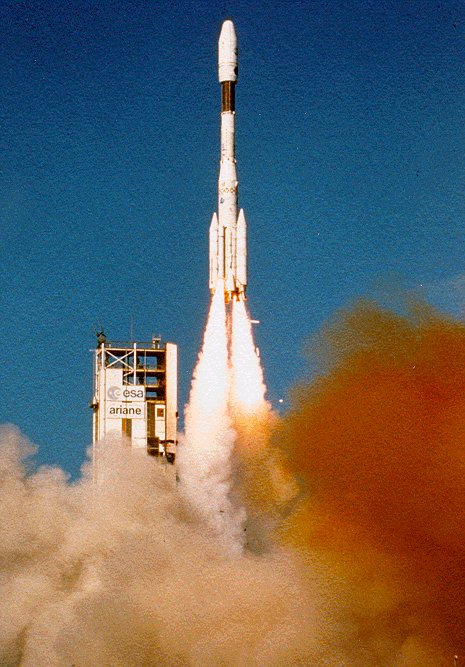
The Ariane rocket family is a series of European civilian expendable launch vehicles developed for space launch use, with the first proposal by France in 1973 and officially agreed upon by France, Germany, and the UK. The project was led by the European Space Agency (ESA) and developed by Aérospatiale, now part of Airbus, with Arianespace handling production, operations, and marketing. With a launch site at the Guiana Space Centre in French Guiana, the Ariane rockets have become a cornerstone of European space exploration, launching numerous satellites, spacecraft, and other payloads into orbit. The Ariane family includes several variants, such as Ariane 1, Ariane 2, Ariane 3, Ariane 4, and Ariane 5, each with its own set of capabilities and improvements. As of 2023, the Ariane 6 is under development, promising even greater efficiency and versatility. The Ariane rocket family has played a significant role in European space history, with over 250 launches since its inception, and continues to be a vital part of the global space industry, competing with other launch vehicles like those from SpaceX and Blue Origin. With a strong focus on innovation and reliability, the Ariane rockets have enabled numerous scientific missions, such as the Rosetta mission and the Gaia mission, and have launched commercial satellites like those of SES Global and Eutelsat.
🚀 Origins & History
The Ariane rocket family has its roots in the early 1970s, when France proposed the development of a European launch vehicle to compete with the dominant NASA and Soviet space programs. The project was officially agreed upon in 1973, with the European Space Agency (ESA) taking the lead in development and Aérospatiale, now part of Airbus, responsible for the design and construction of the launchers. The first Ariane rocket, Ariane 1, was launched in 1979, marking the beginning of a successful series of launches that would establish the Ariane family as a reliable and efficient launch vehicle. The Ariane project was also influenced by the Europa project, a previous European launcher development effort that ultimately failed to achieve its goals.
🔍 How It Works
The Ariane rockets are designed to be highly versatile and efficient, with a range of variants offering different payload capacities and launch configurations. The Ariane 5, for example, is capable of launching two large satellites into geostationary transfer orbit, while the Ariane 6 is being developed to offer even greater flexibility and cost-effectiveness. The launch process involves a complex sequence of events, including fueling, countdown, liftoff, and orbital insertion, all of which are carefully managed by Arianespace and the ESA. The Ariane rockets also utilize advanced technologies, such as the Vulcain engine, to achieve high performance and efficiency.
📊 Key Facts & Numbers
The Ariane rocket family has achieved numerous milestones and records, including over 250 launches since its inception and a success rate of over 95%. The Ariane 5 has been particularly successful, with over 100 launches and a payload capacity of up to 10 tons to geostationary transfer orbit. The Ariane rockets have also played a significant role in European space exploration, launching numerous scientific missions, such as the Rosetta mission and the Gaia mission, and commercial satellites like those of SES Global and Eutelsat. In terms of numbers, the Ariane rockets have launched over 500 satellites and spacecraft, with a total payload mass of over 1,000 tons.
👥 Key People & Organizations
The development and operation of the Ariane rockets involve a range of key people and organizations, including the ESA, Arianespace, and Airbus. The ESA provides overall guidance and funding for the Ariane program, while Arianespace is responsible for the production, operations, and marketing of the launchers. Airbus, as the prime contractor, designs and constructs the Ariane rockets, with the support of numerous subcontractors and suppliers. Other important organizations involved in the Ariane program include the Guiana Space Centre, which serves as the launch site for the Ariane rockets, and the CNRS, which provides scientific and technical support for the program.
🌍 Cultural Impact & Influence
The Ariane rocket family has had a significant cultural impact and influence, both within Europe and globally. The successful development and operation of the Ariane launchers have helped to establish Europe as a major player in the global space industry, with a strong focus on innovation, reliability, and efficiency. The Ariane rockets have also inspired numerous scientific and educational initiatives, such as the Europa program, which aims to promote European space exploration and development. In terms of influence, the Ariane rockets have been a model for other launch vehicle development programs, such as the Ariane 6 and the SpaceX Falcon 9.
⚡ Current State & Latest Developments
As of 2023, the Ariane rocket family is undergoing significant changes and developments, with the Ariane 6 currently under development and scheduled to enter service in the mid-2020s. The Ariane 6 promises to offer even greater efficiency and versatility than its predecessors, with a range of new technologies and innovations, such as the Prometheus engine. The Ariane 6 will also be designed to be more competitive with other launch vehicles, such as those from SpaceX and Blue Origin. In terms of current events, the Ariane rocket family has been involved in several high-profile launches, including the launch of the James Webb Space Telescope and the BepiColombo mission.
🤔 Controversies & Debates
The Ariane rocket family has been the subject of several controversies and debates, including concerns over the environmental impact of launch operations and the competitiveness of the Ariane launchers in the global market. The Ariane program has also faced criticism over its funding and management, with some arguing that the program is too expensive and bureaucratic. However, the Ariane rocket family has also been praised for its reliability and efficiency, with many arguing that it is a vital part of European space exploration and development. In terms of debates, the Ariane program has been involved in discussions over the future of European space launch, including the potential for reusable launch vehicles and the role of private companies like SpaceX and Blue Origin.
🔮 Future Outlook & Predictions
The future outlook for the Ariane rocket family is promising, with the Ariane 6 scheduled to enter service in the mid-2020s and a range of new technologies and innovations under development. The Ariane program is also expected to play a significant role in European space exploration and development, with numerous scientific missions and commercial launches planned for the coming years. In terms of predictions, the Ariane rocket family is expected to remain a major player in the global space industry, with a strong focus on innovation, reliability, and efficiency. The Ariane program is also expected to be involved in the development of new space technologies, such as reusable launch vehicles and advanced propulsion systems.
💡 Practical Applications
The Ariane rocket family has numerous practical applications, including the launch of scientific missions, commercial satellites, and other spacecraft. The Ariane launchers have been used for a range of applications, including Earth observation, telecommunications, and navigation. The Ariane rockets have also been used for numerous interplanetary missions, such as the Rosetta mission and the Gaia mission. In terms of use cases, the Ariane launchers have been used by a range of customers, including SES Global, Eutelsat, and the ESA.
Key Facts
- Year
- 1973
- Origin
- Europe
- Category
- technology
- Type
- technology
Frequently Asked Questions
What is the Ariane rocket family?
The Ariane rocket family is a series of European civilian expendable launch vehicles developed for space launch use. The family includes several variants, such as Ariane 1, Ariane 2, Ariane 3, Ariane 4, and Ariane 5, each with its own set of capabilities and improvements. The Ariane rockets are designed to be highly versatile and efficient, with a range of new technologies and innovations under development, such as the Ariane 6.
Who developed the Ariane rocket family?
The Ariane rocket family was developed by the European Space Agency (ESA) and Aérospatiale, now part of Airbus. The ESA provided overall guidance and funding for the Ariane program, while Aérospatiale designed and constructed the Ariane rockets. Arianespace, a subsidiary of Airbus, handles production, operations, and marketing of the launchers. The development of the Ariane rockets involved numerous other organizations and companies, including the Guiana Space Centre and the CNRS.
What are the key features of the Ariane rocket family?
The Ariane rocket family has several key features, including its high versatility and efficiency, advanced technologies, and range of new innovations under development. The Ariane rockets are designed to be highly reliable and efficient, with a success rate of over 95%. The Ariane family includes several variants, each with its own set of capabilities and improvements, such as the Ariane 5 and the Ariane 6. The Ariane rockets have also been involved in numerous scientific missions and commercial launches, including the James Webb Space Telescope and the BepiColombo mission.
What is the current state of the Ariane rocket family?
As of 2023, the Ariane rocket family is undergoing significant changes and developments, with the Ariane 6 currently under development and scheduled to enter service in the mid-2020s. The Ariane 6 promises to offer even greater efficiency and versatility than its predecessors, with a range of new technologies and innovations, such as the Prometheus engine. The Ariane rocket family is expected to remain a major player in the global space industry, with a strong focus on innovation, reliability, and efficiency.
What are the future plans for the Ariane rocket family?
The future plans for the Ariane rocket family include the development and launch of the Ariane 6, as well as the continued operation and improvement of the existing Ariane launchers. The Ariane program is also expected to play a significant role in European space exploration and development, with numerous scientific missions and commercial launches planned for the coming years. The Ariane rocket family is expected to remain a vital part of the global space industry, with a strong focus on innovation, reliability, and efficiency.
How does the Ariane rocket family compare to other launch vehicles?
The Ariane rocket family is highly competitive with other launch vehicles, such as those from SpaceX and Blue Origin. The Ariane rockets have a strong reputation for reliability and efficiency, with a success rate of over 95%. The Ariane family includes several variants, each with its own set of capabilities and improvements, such as the Ariane 5 and the Ariane 6. The Ariane rockets have also been involved in numerous scientific missions and commercial launches, including the James Webb Space Telescope and the BepiColombo mission.
What are the key applications of the Ariane rocket family?
The Ariane rocket family has numerous practical applications, including the launch of scientific missions, commercial satellites, and other spacecraft. The Ariane launchers have been used for a range of applications, including Earth observation, telecommunications, and navigation. The Ariane rockets have also been used for numerous interplanetary missions, such as the Rosetta mission and the Gaia mission.
How does the Ariane rocket family contribute to European space exploration?
The Ariane rocket family is a vital part of European space exploration and development, with numerous scientific missions and commercial launches planned for the coming years. The Ariane program is expected to play a significant role in European space exploration, with a strong focus on innovation, reliability, and efficiency. The Ariane rockets have been involved in numerous scientific missions, including the James Webb Space Telescope and the BepiColombo mission.