
Contents
Overview
The roots of aquaculture technology trace back thousands of years, with early forms of fish farming documented in ancient China as far back as 500 BCE, notably the cultivation of common carp by Fan Li. Ancient Romans also practiced shellfish farming, and early forms of aquaculture existed in Egypt and India. However, modern aquaculture technology began to take shape in the 19th and 20th centuries with advancements in understanding fish biology and breeding. Key milestones include the artificial propagation of salmon and trout in Europe and North America starting in the mid-1800s, and the development of intensive pond culture techniques in Asia. The establishment of research institutions like the World Aquaculture Society in 1969 further propelled the scientific and technological development of the field, moving it from traditional practices to industrialized systems.
⚙️ How It Works
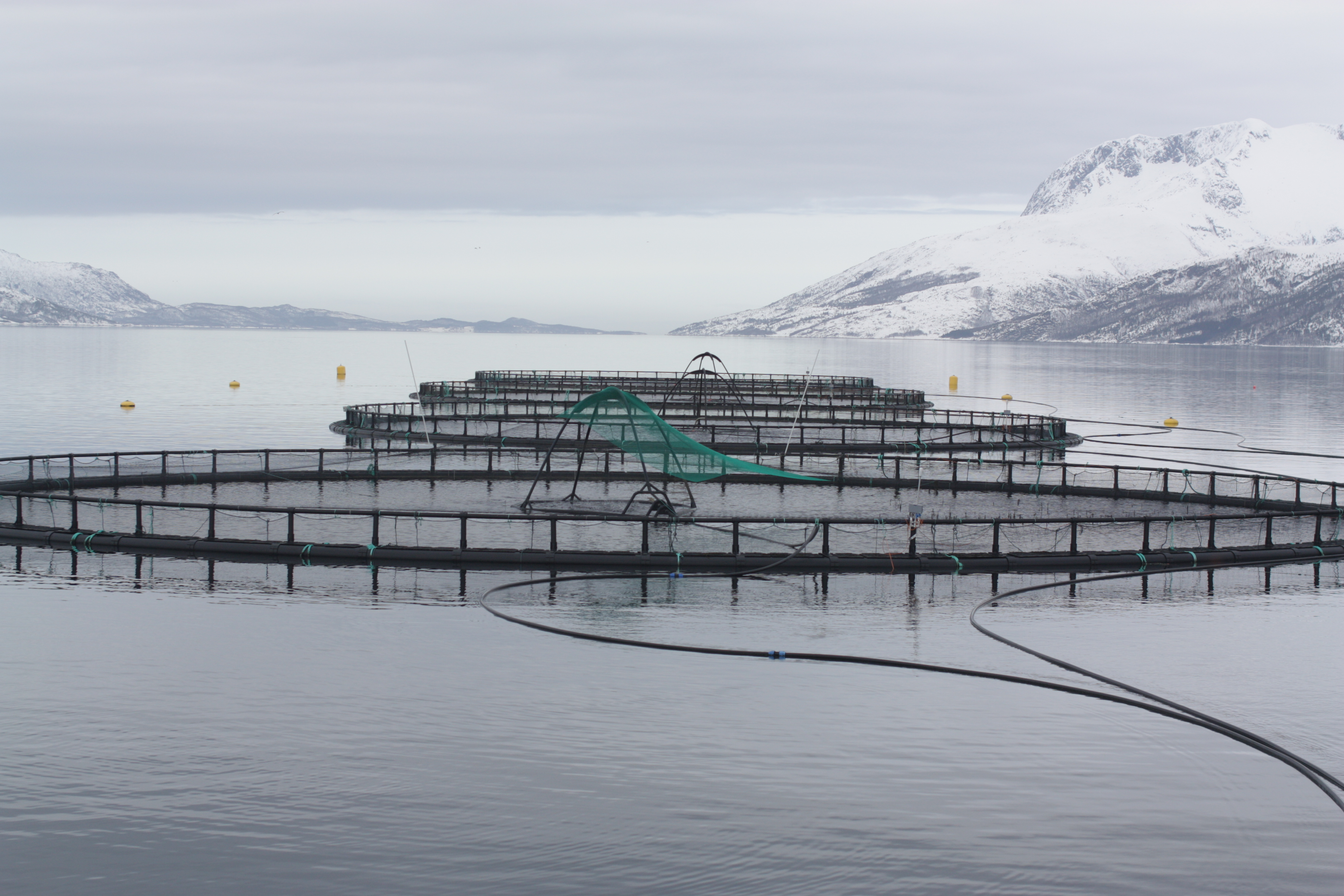
Aquaculture technology operates on several fundamental principles, often categorized by the environment and intensity of cultivation. Traditional methods involve extensive or semi-intensive farming in earthen ponds or natural water bodies, relying on natural food sources. More advanced systems, such as Recirculating Aquaculture Systems (RAS), employ closed-loop water management, filtering and recirculating water to minimize environmental impact and maximize control over water quality parameters like temperature, pH, and dissolved oxygen. Offshore aquaculture utilizes large cages or structures anchored in deeper, open ocean waters, exposing farmed species to more natural currents and reducing localized pollution. Aquaponics integrates aquaculture with hydroponics, using fish waste to fertilize plants, creating a symbiotic system. Genetic selection and feed technology are also critical components, focusing on improving growth rates, disease resistance, and feed conversion efficiency.
📊 Key Facts & Numbers
The global aquaculture market is a colossal enterprise. In 2022, aquaculture accounted for approximately 52% of all fish for human consumption, a significant increase from just 10% in 1980. China remains the dominant producer, contributing over 60% of global aquaculture output. The total global aquaculture production volume reached 130.9 million metric tons in 2022. RAS can achieve feed conversion ratios (FCRs) as low as 1.1:1 for some species, meaning only 1.1 kg of feed is needed to produce 1 kg of fish, a vast improvement over many traditional methods. The value of global aquaculture production was estimated at $274.7 billion in 2022.
👥 Key People & Organizations
Numerous individuals and organizations have shaped aquaculture technology. Pioneers like Dr. Edwin C. Raney, who conducted early research on channel catfish culture in the United States, and Dr. T. J. Pandian, a leading figure in Indian aquaculture research, have made significant contributions. Organizations such as the Food and Agriculture Organization of the United Nations (FAO) play a crucial role in global data collection and policy recommendations. Major technology providers include AKVA Group, a global leader in aquaculture cage technology and RAS solutions, and ScaleAQ, known for its innovative offshore cage designs. Research institutions like the Norwegian Institute of Marine Research and the University of California, Davis are at the forefront of developing new technologies and sustainable practices.
🌍 Cultural Impact & Influence
Aquaculture technology has profoundly influenced global food systems and economies. It has provided a vital alternative to dwindling wild fisheries, ensuring a more stable supply of seafood for a growing population. The development of efficient farming techniques has created significant employment opportunities, particularly in coastal and rural communities worldwide. Furthermore, advancements in feed technology and breeding programs have led to the availability of a wider variety of farmed species, influencing culinary trends and consumer preferences. The sector's growth has also spurred innovation in related industries, from boat building and marine engineering to biotechnology and water treatment.
⚡ Current State & Latest Developments
The current landscape of aquaculture technology is characterized by rapid innovation and a strong focus on sustainability. RAS are becoming increasingly sophisticated, with enhanced automation for monitoring and control, reducing labor costs and improving efficiency. Offshore aquaculture is gaining traction, with larger, more robust structures designed to withstand harsh marine environments, enabling farming further from shore. Developments in feed technology are exploring alternative protein sources, such as insect meal and algae, to reduce reliance on wild-caught fishmeal. Artificial intelligence and machine learning are being integrated for predictive analytics, disease detection, and optimizing farm operations. The use of drones and underwater robotics for inspection and maintenance is also on the rise.
🤔 Controversies & Debates
The expansion of aquaculture technology is not without its controversies. Critics raise concerns about the environmental impact of intensive farming, including nutrient pollution from uneaten feed and feces, potential disease transmission to wild populations, and the escape of farmed species that can disrupt native ecosystems. The reliance on fishmeal derived from wild-caught fish for feed remains a sustainability challenge, though alternative sources are being developed. Ethical considerations surrounding animal welfare in high-density farming environments are also debated. Furthermore, the significant capital investment required for advanced technologies like RAS can create barriers to entry for smaller producers, leading to market consolidation and concerns about equitable access to resources.
🔮 Future Outlook & Predictions
The future of aquaculture technology points towards greater integration of AI, robotics, and biotechnology to achieve unprecedented levels of efficiency and sustainability. Expect to see fully automated, 'smart' farms capable of real-time environmental monitoring and adaptive management. Offshore aquaculture will likely expand into deeper waters, utilizing advanced mooring and structural designs. Genetic engineering and CRISPR technology may play a larger role in developing disease-resistant and fast-growing species, though this is a subject of intense ethical debate. The development of novel feeds from microbial sources and algae will be crucial for reducing the sector's ecological footprint. The concept of Integrated Multi-Trophic Aquaculture (IMTA), where waste from one species serves as food for another, is also expected to become more widespread.
💡 Practical Applications
Aquaculture technology has a wide range of practical applications across various sectors. Its most direct application is in commercial fish and shellfish farming, providing a consistent supply of protein for human consumption. RAS are used for land-based farming, allowing production in diverse geographical locations, including arid regions and urban centers, and offering precise control over water quality. Offshore cages are employed for farming species like salmon, tuna, and various finfish in open ocean environments. Aquaponics sys
Key Facts
- Category
- technology
- Type
- topic