
Contents
Overview
Applying primer is a critical preparatory step in painting and coating processes, designed to enhance adhesion, durability, and the overall appearance of the final finish. This undercoat acts as a bridge between the substrate and the topcoat, sealing porous surfaces, blocking stains, and ensuring a more uniform color application. Whether for architectural painting, automotive finishes, or artistic endeavors, primer's role is to optimize the performance and longevity of subsequent layers of paint or coating. Its formulation varies widely depending on the material being coated and the desired outcome, ranging from oil-based to water-based, and specialized types for metal, wood, or plastic. Skipping this step often leads to premature peeling, uneven color, and a compromised aesthetic, making primer an indispensable, albeit often invisible, component of a successful coating project.
🎵 Origins & History
The concept of a preparatory coating predates modern paint formulations, with ancient artisans using natural binders like egg tempera or animal glues to prepare surfaces for pigments. The development of modern primers, however, is intrinsically linked to the evolution of synthetic paints and industrial manufacturing. In metal applications, primers often contain anti-corrosive additives, such as zinc phosphate, to protect the underlying material from rust. The binder in the primer, whether it's acrylic, alkyd, or shellac, forms a cohesive film that grips the substrate and provides a stable foundation for the topcoat, enhancing its overall adhesion and durability. This molecular bonding is crucial for preventing peeling and chipping over time.
⚙️ How It Works
Applying primer works by creating a uniform surface that subsequent paint layers can adhere to effectively. Porous materials like drywall or unpainted wood absorb paint unevenly, leading to a dull or patchy finish; primer seals these pores, ensuring the topcoat sits on the surface. Primers contain stain-blocking agents that prevent bleed-through from tannins in wood or ink marks. In metal applications, primers often contain anti-corrosive additives, such as zinc phosphate, to protect the underlying material from rust. The binder in the primer, whether it's acrylic, alkyd, or shellac, forms a cohesive film that grips the substrate and provides a stable foundation for the topcoat, enhancing its overall adhesion and durability. This molecular bonding is crucial for preventing peeling and chipping over time.
📊 Key Facts & Numbers
Globally, the paint and coatings market, which includes primers, is a significant segment. The architectural coatings sector accounts for a large portion of this market. It's estimated that a high percentage of professional painters use primer on every job, and DIYers apply primer in a substantial portion of their painting projects. The average cost of a gallon of quality primer ranges widely, with specialized industrial primers potentially costing significantly more per gallon. The global primer market is projected to grow, driven by construction and automotive repair sectors.
👥 Key People & Organizations
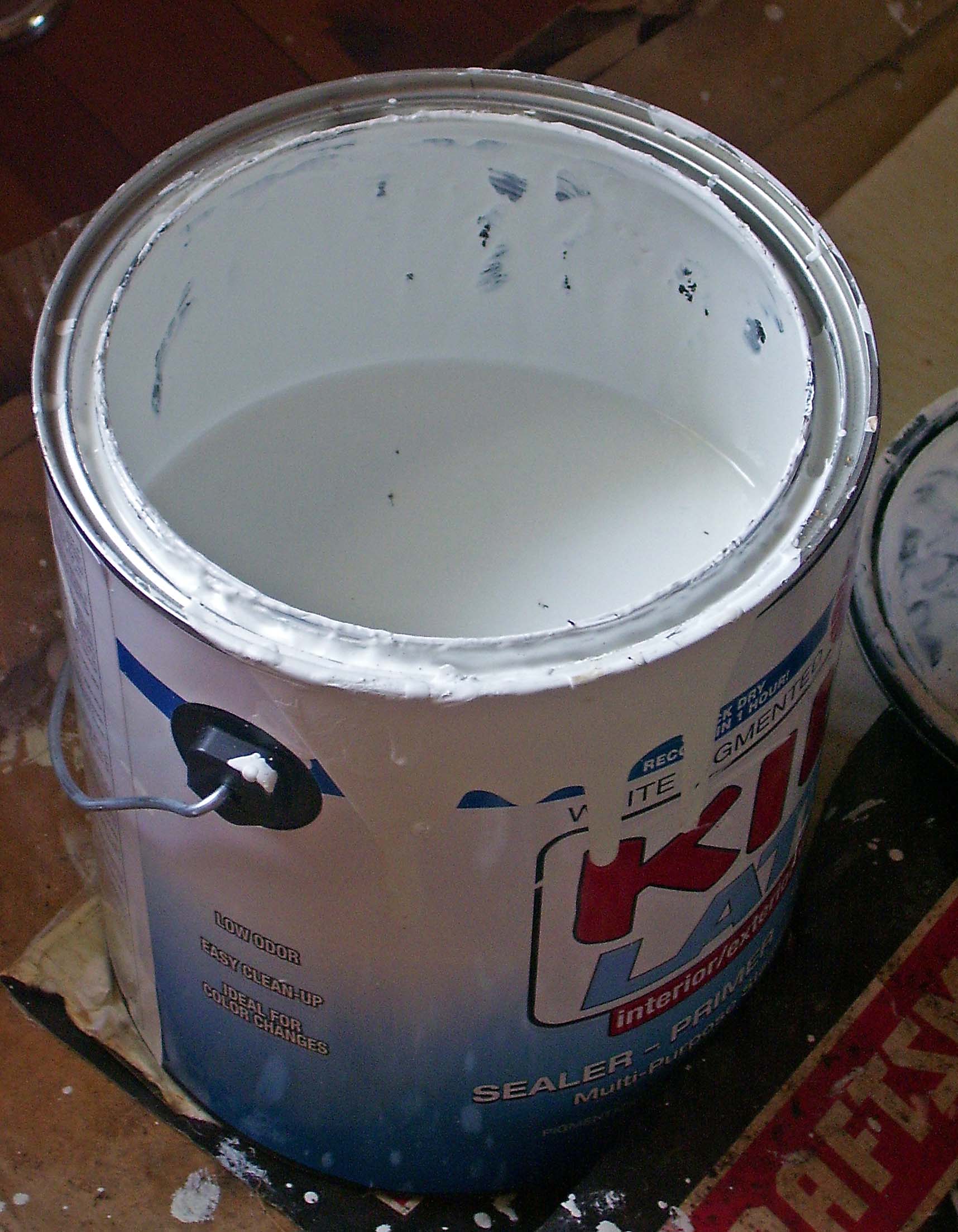
Key organizations in the primer industry include major paint manufacturers like Sherwin-Williams, PPG Industries, AkzoNobel, and Masco Corporation. These companies invest heavily in research and development to create advanced primer formulations. Trade associations such as the American Coatings Association (ACA) and the European Coatings Association (CEPE) play vital roles in setting industry standards, advocating for regulatory compliance, and promoting best practices. Individual product lines from brands like KILZ, Zinsser, and BEHR have become synonymous with effective priming solutions for consumers and professionals alike.
🌍 Cultural Impact & Influence
The cultural impact of primer is subtle but profound, underpinning the visual aesthetic of countless environments and objects. From the vibrant hues of a Metropolitan Museum of Art exhibit, meticulously prepared with primer, to the sleek finish of a new car rolling off the General Motors assembly line, primer ensures that color and protection are paramount. In the art world, primers like gesso have been fundamental for centuries, allowing artists like Leonardo da Vinci to achieve luminous glazes and sharp details on canvases. The widespread availability of DIY-friendly primers has also empowered millions of homeowners to undertake renovation projects, contributing to the 'do-it-yourself' culture popularized by media like This Old House.
⚡ Current State & Latest Developments
Current developments in primer technology focus on sustainability and enhanced performance. Low-VOC and zero-VOC (Volatile Organic Compound) primers are increasingly becoming the standard, driven by environmental regulations and consumer demand for healthier indoor air quality. Innovations include primers with advanced adhesion properties for difficult substrates like plastics and glossy surfaces, as well as primers offering superior mold and mildew resistance for damp environments. The integration of nanotechnology is also being explored to create primers with self-healing capabilities or enhanced UV protection. Furthermore, the rise of smart coatings is leading to primers that can change color to indicate proper drying or signal the presence of lead paint, as seen in some specialized Rust-Oleum products.
🤔 Controversies & Debates
A significant debate revolves around the necessity of primer for certain applications. While professionals overwhelmingly advocate for its use, some argue that modern high-quality paints with built-in primers (often labeled 'paint and primer in one') negate the need for a separate coat, especially for repainting surfaces that are already in good condition and a similar color. Skeptics question the added cost and labor involved in a separate priming step. Conversely, manufacturers of dedicated primers emphasize that 'paint and primer in one' products rarely offer the same level of stain blocking, adhesion, or sealing power as a true, separate primer coat, particularly on new or problematic surfaces. The controversy often hinges on the definition of 'primer' and the specific demands of the substrate and topcoat.
🔮 Future Outlook & Predictions
The future of primer application is likely to involve greater automation and 'smart' functionalities. Robotic application systems for primers are being developed for large-scale industrial and architectural projects, ensuring consistent thickness and coverage. We can expect to see primers with integrated sensors that can detect surface imperfections or environmental conditions, providing real-time feedback to applicators. The development of bio-based and recycled-content primers will also accelerate, aligning with circular economy principles. Furthermore, primers designed for additive manufacturing (3D printing) are emerging, enabling the creation of complex, multi-material objects with tailored surface properties and integrated protective layers, potentially revolutionizing fields from aerospace to medical devices.
💡 Practical Applications
Primers are indispensable in numerous practical applications. In construction, they prepare drywall, plaster, and wood for interior and exterior painting, ensuring a smooth, durable finish. The automotive industry relies heavily on primers for vehicle bodies to prevent corrosion and provide a base for paint adhesion, crucial for both aesthetics and longevity. Artists use gesso and other primers on canvases, wood panels, and paper to create a stable, receptive surface for paints like oil paint and acrylics. In furniture refinishing, primers seal wood grain, block stains, and ensure the topcoat adheres properly, transforming old pieces. Even in electronics, specialized primers are used to improve the adhesion of coatings and adhesives to circuit boards and components.
Key Facts
- Category
- technology
- Type
- concept