
Contents
Overview
The roots of Appalachian Gothic stretch back to the 18th and 19th centuries with the arrival of European settlers, including Scottish, Irish, and German immigrants, who brought with them distinct cultural traditions and a pioneer spirit. This era also saw the significant contributions of African Americans, who introduced instruments like the banjo, integral to Appalachian folk music. The aesthetic is deeply intertwined with the region's economic history, marked by periods of industrial boom and bust, particularly in the lumber and coal industries, leaving behind abandoned mines and run-down homesteads that contribute to its visual landscape. The Great Depression further shaped the region, exacerbating poverty and isolation, which are often depicted in Appalachian Gothic narratives, distinguishing it from Southern Gothic by its specific mountainous terrain and the lingering effects of industrialization, as explored in works like those discussed on Aesthetics Wiki.
⚙️ Visuals & Themes
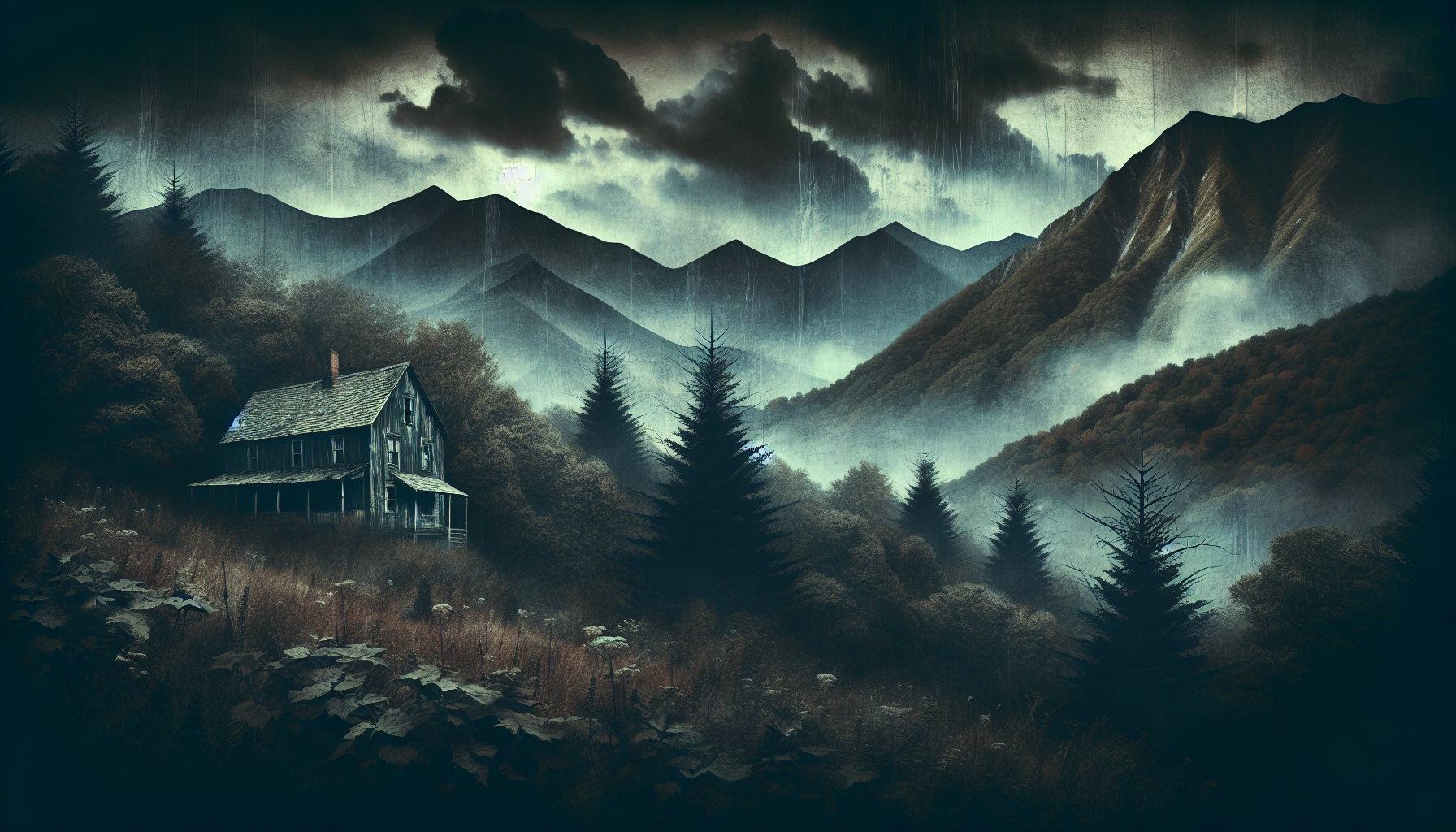
Visually, Appalachian Gothic is characterized by its evocative imagery of forested mountains, often shrouded in mist, and small, isolated mountain towns. Key motifs include log cabins, split-rail fences, dilapidated houses, and the pervasive presence of nature, sometimes depicted as vengeful against industrial intrusion. The color palette leans towards natural tones: greens, grays, and rusty browns, with occasional blues. Themes frequently explored include supernatural occurrences, grotesque monsters, ghosts, and the unsettling feeling of something sinister lurking beneath a seemingly normal facade, reminiscent of the atmospheric dread found in films like "The Night of the Hunter" or the literary works featured on Goodreads.
🌍 Cultural Impact & Media
Appalachian Gothic has found a significant presence in literature, film, and other media, offering a unique lens through which to explore the region's complexities. Notable literary works include "The Twisted Ones" by T. Kingfisher and "House of Cotton" by Monica Brashears, as highlighted by Goodreads and Book Riot. In film, "The Night of the Hunter" and "Deliverance" are often cited as examples that capture the unsettling atmosphere of the region, as discussed by The Ginger Nuts of Horror. The aesthetic is also explored in academic contexts, such as "Gothic Appalachian Literature" published by Anthem Press, and through online communities on platforms like Reddit and Pinterest, where discussions and visual collections of Appalachian Gothic aesthetics thrive.
🔮 Legacy & Future
The enduring appeal of Appalachian Gothic lies in its ability to tap into universal themes of isolation, the uncanny, and the human relationship with the natural world, all filtered through a distinctly regional lens. Its continued exploration in contemporary literature and film, as seen in recent works and ongoing discussions on platforms like Reddit, suggests a vibrant future for the subgenre. The aesthetic's ability to blend folklore, historical context, and psychological unease ensures its relevance, offering audiences hauntingly beautiful and thought-provoking narratives that resonate with the deep-rooted mysteries of the Appalachian mountains, a theme also touched upon by the BFI's list of Southern Gothic films.
Key Facts
- Year
- 18th Century onwards
- Origin
- Appalachian Mountains, USA
- Category
- aesthetics
- Type
- concept
Frequently Asked Questions
What are the key differences between Appalachian Gothic and Southern Gothic?
While both subgenres share Gothic elements and often explore themes of decay, isolation, and the grotesque, Appalachian Gothic is specifically tied to the mountainous terrain, rural communities, and the economic history (particularly coal and lumber industries) of the Appalachian region. Southern Gothic, while also regional, often focuses more on the legacy of slavery, antebellum history, and the specific cultural landscape of the American South.
What are common themes in Appalachian Gothic literature?
Common themes include poverty, the impact of industrialization and resource extraction, isolation, strong family ties, folklore, the supernatural, and the tension between tradition and modernity. There's often a sense of unease stemming from the landscape itself and the secrets held within its communities.
Can you give examples of Appalachian Gothic books?
Yes, popular examples include "The Twisted Ones" by T. Kingfisher, "House of Cotton" by Monica Brashears, "Summer Sons" by Lee Mandelo, and "The Reformatory" by Tananarive Due. These works, among others, are often cited on platforms like Goodreads and Book Riot.
Are there any notable films associated with Appalachian Gothic?
While not always explicitly labeled as Appalachian Gothic, films like "The Night of the Hunter" (set in West Virginia) and "Deliverance" (set in Georgia) are often discussed in relation to the aesthetic due to their atmospheric portrayal of the region and its inhabitants. "Tucker and Dale vs. Evil" also plays with Appalachian horror tropes in a comedic way.
Where did the Appalachian Gothic aesthetic originate?
The aesthetic has roots in the cultural history of the Appalachian region, dating back to the 18th century with early settlers. Its modern popularization is linked to contemporary literature, film, and online communities that explore the unique cultural and environmental aspects of Appalachia, as documented on sites like Aesthetics Wiki.
References
- goodreads.com — /shelf/show/appalachian-gothic
- reddit.com — /r/horror/comments/183ivba/list_of_appalachian_mountain_horrors/
- facebook.com — /AppalachianGothic/
- anthempress.com — /gothic-appalachian-literature-pb
- bookriot.com — /appalachian-and-southern-gothic-novels/
- aesthetics.fandom.com — /wiki/Appalachian_Gothic
- gnofhorror.com — /appalachian-horror-the-5-must-see-horror-movies/
- bfi.org.uk — /lists/10-great-southern-gothic-films