
Contents
Overview
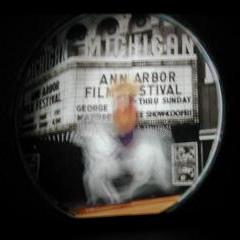
The Ann Arbor Film Festival's genesis was a direct response to the perceived limitations of mainstream cinema. George Manupelli, a filmmaker and educator at the University of Michigan, founded the festival with a vision to champion films that defied commercial conventions and explored new aesthetic territories. Its establishment positioned it as a significant film festival in North America, and crucially, AAFF carved out its niche as the premier venue for experimental and avant-garde filmmaking, a focus that has remained its defining characteristic. The festival's early years also saw the birth of the traveling film festival concept, with a curated selection of films embarking on international tours, extending its reach far beyond its Michigan home.
⚙️ How It Works
At its core, the Ann Arbor Film Festival operates as a juried competition and exhibition platform for independent and experimental cinema. Filmmakers submit their works, which are then reviewed by a selection committee. Finalists are screened during the week-long festival held annually in Ann Arbor, Michigan. A panel of esteemed jurors, often comprising established filmmakers, critics, and academics, then awards cash prizes across various categories, including Best Film, Best Director, and Audience Awards. Beyond the competition, AAFF hosts retrospectives, filmmaker Q&As, and panel discussions, fostering a vibrant community around cinematic innovation. The festival's commitment to accessibility is further demonstrated through its extensive international tour, which brings a curated program of shorts to numerous venues worldwide, including art house cinemas, universities, and galleries.
📊 Key Facts & Numbers
Since its inception, the Ann Arbor Film Festival has grown into a significant global event. The festival continues to receive a large volume of film submissions from filmmakers representing many countries, a testament to its international reach and reputation. The festival provides financial support to its winning filmmakers for continued artistic endeavors. The AAFF Tour, a vital component of its programming, screens at numerous venues globally each year, exposing new audiences to experimental cinema. With a significant attendance for the in-person festival and a growing digital presence, AAFF continues to be a major cultural event in Ann Arbor, contributing significantly to the local arts economy.
👥 Key People & Organizations
The Ann Arbor Film Festival's existence is inextricably linked to its founder, George Manupelli, whose vision for a cinema unbound by commercial pressures guided its early development. Over the decades, numerous influential figures have served as jurors, programmers, and filmmakers, shaping the festival's trajectory. Notable past jurors have included acclaimed figures who have championed experimental film. The University of Michigan has consistently provided institutional support, offering venues and fostering a connection with the academic film community. Organizations like the American Film Institute and various international cinematheques have also played roles in supporting the festival's touring programs and promoting its filmmakers.
🌍 Cultural Impact & Influence
The Ann Arbor Film Festival has profoundly influenced the landscape of independent and experimental cinema. By providing a dedicated platform for films that often struggle to find distribution through conventional channels, AAFF has been instrumental in launching the careers of countless filmmakers and fostering a global community around avant-garde aesthetics. Its early adoption of the traveling festival model set a precedent for how independent films could reach wider audiences internationally. The festival's consistent focus on pushing cinematic boundaries has inspired generations of filmmakers to experiment with form, narrative, and technique, contributing to the evolution of visual storytelling. Its programming has often served as an early indicator of emerging trends and voices within the experimental film world, influencing critics, curators, and audiences alike.
⚡ Current State & Latest Developments
As of the current year, the Ann Arbor Film Festival continues its robust programming, navigating the evolving landscape of film exhibition. The festival promises a curated selection of cutting-edge independent and experimental films. The festival has increasingly integrated digital screenings and hybrid formats, expanding accessibility for a global audience while maintaining its cherished in-person experience in Ann Arbor. Recent years have seen a heightened focus on diverse voices and perspectives within its submissions and programming, reflecting broader shifts in the film industry. The AAFF Tour remains a vital component, with ongoing bookings at international venues, ensuring the continued dissemination of experimental cinema. The festival is actively engaged in fundraising and strategic partnerships to ensure its long-term sustainability and continued impact.
🤔 Controversies & Debates
The Ann Arbor Film Festival, while widely celebrated, has not been without its controversies. In its early years, the explicit and often challenging nature of the experimental films screened sometimes led to clashes with local authorities and conservative elements of the community, raising questions about censorship and artistic freedom. More recently, debates within the independent film world surrounding representation, funding disparities, and the definition of 'experimental' cinema have touched upon AAFF's programming choices. While the festival has largely maintained its commitment to avant-garde principles, discussions about how to best support emerging artists from underrepresented backgrounds and how to adapt to the digital age without compromising artistic integrity are ongoing. The sheer volume of submissions also presents a perennial challenge: ensuring fair and thorough evaluation while maintaining the festival's distinctive curatorial voice.
🔮 Future Outlook & Predictions
The future of the Ann Arbor Film Festival appears poised for continued evolution, balancing its rich experimental heritage with the demands of a rapidly changing media environment. Expect a sustained emphasis on hybrid programming, blending in-person screenings with robust online offerings to maximize global reach. The festival will likely continue to champion underrepresented voices and explore new technological frontiers in filmmaking, potentially incorporating virtual reality or interactive media into its programming. There's also a strong possibility of expanded collaborations with other arts organizations, both locally and internationally, to amplify its impact. The enduring challenge will be to maintain its identity as a bastion of experimental cinema while adapting to economic pressures and the shifting consumption habits of audiences, ensuring its relevance for decades to come.
💡 Practical Applications
The Ann Arbor Film Festival serves as a critical incubator and exhibition space for experimental filmmaking, offering tangible benefits to filmmakers and the broader cinematic ecosystem. For filmmakers, it provides a prestigious platform to showcase their work to an international audience of peers, critics, and potential collaborators, often leading to distribution deals, festival invitations, and career advancement. The cash awards offer direct financial support for future projects. Beyond individual careers, AAFF's touring program acts as a vital distribution channel for independent shorts, bringing challenging and innovative cinema to communities that may lack access to specialized film venues. The festival also functions as a crucial educational resource, offering insights into avant-garde techniques and fostering dialogue around the future of film art through its screenings and associated progr
Key Facts
- Category
- culture
- Type
- topic