
Contents
Overview
The history of anesthesia is a long and winding road, with early attempts at producing a state of general anesthesia dating back to the writings of ancient Sumerians, Babylonians, Assyrians, Akkadians, Egyptians, Persians, Indians, and Chinese. Despite significant advances in anatomy and surgical techniques during the Renaissance, surgery remained a last-resort treatment largely due to the pain associated with it. This limited surgical procedures to addressing only life-threatening conditions, with techniques focused on speed to limit blood loss. All of these interventions carried high risk of complications, especially death. Around 80% of surgeries led to severe infections, and 50% of patients died either during surgery or from complications thereafter. Many of the patients who were fortunate enough to survive remained psychologically traumatized for the rest of their lives, often seeking solace in opium or other pain-relieving substances.
⚙️ The Discovery of Anesthesia
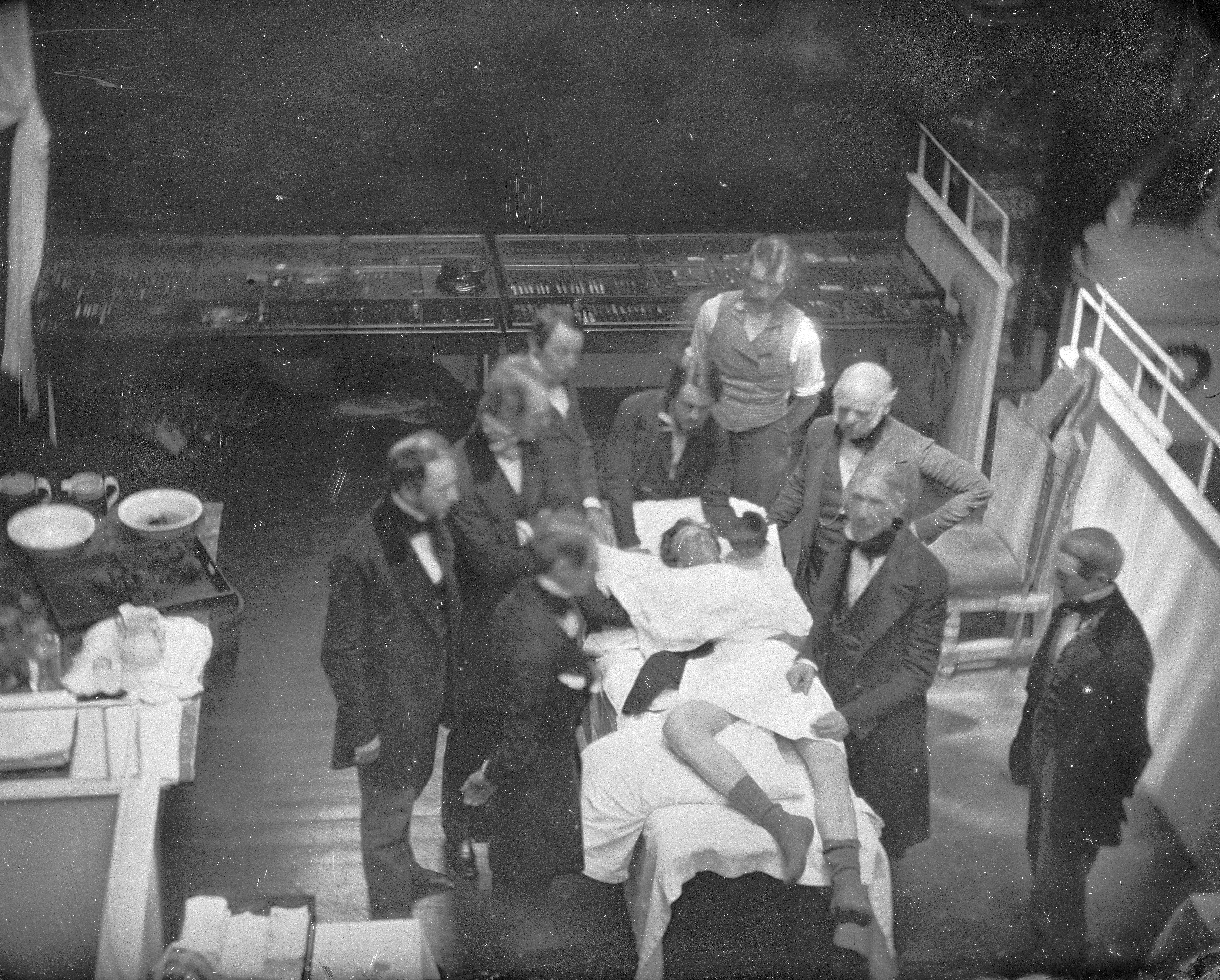
The discovery of anesthesia is attributed to several key figures, including Crawford Long, who first used diethyl ether as an anesthetic in 1842, and William Thomas Green Morton, who demonstrated the use of ether anesthesia in 1846. The work of these pioneers built on the foundations laid by Sir Humphry Davy and Michael Faraday, who had discovered the anesthetic properties of nitrous oxide and carbon dioxide. The introduction of anesthesia revolutionized the field of surgery, enabling procedures to be performed with minimal pain and risk. As noted by John Snow, a prominent physician of the time, the use of anesthesia was a major breakthrough in the field of medicine, allowing for more complex and invasive procedures to be performed with greater safety and efficacy.
🌍 Modern Anesthesia and Its Impact
The development of modern anesthesia has continued to evolve, with the introduction of new anesthetic agents and techniques. The discovery of halothane in the 1950s, for example, provided a more potent and reliable anesthetic agent, while the development of propofol in the 1980s offered a shorter-acting and more versatile alternative. Today, anesthesia is a highly sophisticated field, with a wide range of techniques and agents available to suit different surgical procedures and patient needs. As noted by the American Society of Anesthesiologists, the use of anesthesia has become an essential component of modern medicine, enabling surgeons to perform complex and life-saving procedures with minimal risk and maximum efficacy.
🔮 The Future of Anesthesia
The future of anesthesia is likely to be shaped by advances in technology and our understanding of the human body. The development of new anesthetic agents and techniques, such as target-controlled infusion and ultrasound-guided regional anesthesia, is expected to continue, offering improved safety and efficacy for patients. Additionally, the increasing use of artificial intelligence and machine learning in anesthesia is likely to enhance patient care and outcomes, enabling anesthesiologists to make more informed decisions and provide more personalized care. As noted by Stanford University researchers, the integration of AI and machine learning in anesthesia has the potential to revolutionize the field, enabling anesthesiologists to provide more effective and efficient care.
Key Facts
- Year
- 1842
- Origin
- United States
- Category
- history
- Type
- concept
Frequently Asked Questions
What is the history of anesthesia?
The history of anesthesia dates back to ancient civilizations, with significant advances in the 18th and 19th centuries paving the way for modern anesthetic techniques. Key figures such as Crawford Long and William Thomas Green Morton played a crucial role in the discovery of anesthesia, with their work building on the foundations laid by Sir Humphry Davy and Michael Faraday.
How has anesthesia impacted the field of surgery?
The introduction of anesthesia revolutionized the field of surgery, enabling procedures to be performed with minimal pain and risk. As noted by John Snow, a prominent physician of the time, the use of anesthesia was a major breakthrough in the field of medicine, allowing for more complex and invasive procedures to be performed with greater safety and efficacy. Today, anesthesia is a highly sophisticated field, with a wide range of techniques and agents available to suit different surgical procedures and patient needs.
What are some of the key challenges facing the field of anesthesia today?
The field of anesthesia faces several challenges, including the need for improved safety and efficacy, the development of new anesthetic agents and techniques, and the increasing use of artificial intelligence and machine learning in anesthesia. Additionally, there are ongoing debates about the ethics of using anesthesia in surgery, as well as concerns about the environmental impact of anesthetic agents. As noted by the American Society of Anesthesiologists, the use of anesthesia has become an essential component of modern medicine, enabling surgeons to perform complex and life-saving procedures with minimal risk and maximum efficacy.
How is the field of anesthesia likely to evolve in the future?
The future of anesthesia is likely to be shaped by advances in technology and our understanding of the human body. The development of new anesthetic agents and techniques, such as target-controlled infusion and ultrasound-guided regional anesthesia, is expected to continue, offering improved safety and efficacy for patients. Additionally, the increasing use of artificial intelligence and machine learning in anesthesia is likely to enhance patient care and outcomes, enabling anesthesiologists to make more informed decisions and provide more personalized care.
What role do anesthesiologists play in modern medicine?
Anesthesiologists play a critical role in modern medicine, providing anesthesia care to patients undergoing surgical procedures. They work closely with surgeons, nurses, and other healthcare professionals to ensure that patients receive the best possible care. As noted by the American Society of Anesthesiologists, anesthesiologists are responsible for evaluating patients before surgery, developing anesthetic plans, and administering anesthesia during surgery. They also play a key role in pain management and critical care medicine, working to improve patient outcomes and reduce the risk of complications.