
Contents
Overview
Algorithm development is the systematic process of creating a set of step-by-step instructions that a computer can follow to perform a specific task or solve a particular problem. This discipline bridges theoretical computer science with practical engineering, demanding both rigorous mathematical understanding and creative problem-solving. From sorting lists to powering artificial intelligence, algorithms are the invisible engines of the digital world. The field encompasses everything from the initial conceptualization and mathematical formulation of an algorithm to its implementation in code, rigorous testing, and ongoing optimization for efficiency, scalability, and accuracy. The complexity and impact of algorithms have grown exponentially, leading to specialized areas like machine learning algorithm development, which focuses on algorithms that learn from data without explicit programming, and the development of distributed algorithms for massive-scale systems. The continuous evolution of computing hardware and data availability constantly reshapes the landscape of algorithm development, pushing the boundaries of what's computationally possible.
🎵 Origins & History
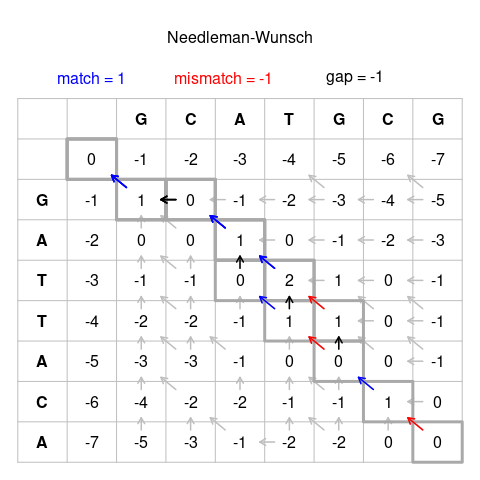
The genesis of algorithm development stretches back to ancient times. However, the formalization of algorithms as a distinct field gained momentum with the advent of modern computing. Pioneers like Alan Turing in the 1930s, with his concept of the Turing machine, laid the theoretical groundwork for what is computable. The publication of foundational texts like "The Art of Computer Programming" by Donald Knuth, beginning in 1968, systematically cataloged and analyzed algorithms, establishing rigorous methods for their description and analysis. Early applications, such as the Needleman–Wunsch algorithm (1970) for sequence alignment in bioinformatics, demonstrated the power of algorithmic approaches to complex scientific problems, showcasing the transition from theoretical concepts to practical, impactful tools.
⚙️ How It Works
At its core, algorithm development involves a cyclical process: problem definition, algorithmic design, implementation, and testing. The design phase often employs strategies like divide and conquer, dynamic programming, or greedy approaches to break down complex problems into manageable sub-problems. Once a conceptual algorithm is devised, it's translated into a specific programming language, such as Python, Java, or C++. This implementation is then subjected to rigorous testing, including unit tests, integration tests, and performance benchmarks, to ensure correctness and efficiency. Optimization is a continuous effort, often involving refining data structures, reducing time or space complexity, and adapting the algorithm to specific hardware or data characteristics, as seen in the development of efficient sorting algorithms like Quicksort or Mergesort.
📊 Key Facts & Numbers
The global market for algorithm development services is projected to reach hundreds of billions of dollars by 2030. The average salary for an algorithm developer in the United States can range significantly based on experience and specialization. For instance, machine learning engineers, a subset of algorithm developers, can command high salaries. The number of available algorithms in public repositories like GitHub has exploded, with millions of repositories containing code for countless algorithms. The time complexity of algorithms is often measured using Big O notation, where an O(n log n) algorithm is significantly more efficient than an O(n^2) algorithm for large datasets, a difference that can translate to hours or days of computation saved.
👥 Key People & Organizations
Key figures in algorithm development include Ada Lovelace, often credited with writing the first algorithm intended for processing by a machine in the mid-19th century, and John von Neumann, whose work on stored-program computers and early algorithms was foundational. Modern luminaries include Edsger W. Dijkstra, known for his work on graph algorithms and structured programming, and Tim Berners-Lee, whose invention of the World Wide Web relies heavily on underlying algorithms for indexing and retrieval. Organizations like Google and Meta employ thousands of algorithm developers, driving innovation in areas from search to social media feeds. Academic institutions like Stanford University and MIT continue to be crucial hubs for theoretical advancements and training the next generation of algorithm engineers.
🌍 Cultural Impact & Influence
Algorithm development has profoundly reshaped modern society, influencing everything from how we communicate to how we make decisions. Search engine algorithms, most notably Google's search algorithm, organize the world's information, making vast datasets accessible. In finance, algorithmic trading has revolutionized markets, while in healthcare, algorithms are increasingly used for diagnosis and drug discovery. The pervasive nature of algorithms has also led to widespread cultural discussions about their fairness, transparency, and impact on human behavior, as explored in documentaries like "The Social Dilemma." The development of artificial intelligence and machine learning has further amplified this influence, embedding algorithmic decision-making into critical infrastructure.
⚡ Current State & Latest Developments
The current landscape of algorithm development is dominated by advancements in machine learning and deep learning. Frameworks like TensorFlow and PyTorch have democratized the development of complex neural networks, enabling rapid prototyping and deployment. There's a growing emphasis on developing more interpretable and explainable AI (XAI) algorithms, addressing the "black box" problem of deep learning models. Furthermore, the rise of edge computing is driving the development of efficient algorithms that can run on resource-constrained devices, from smartphones to IoT sensors. Companies are also investing heavily in federated learning to train models on decentralized data without compromising user privacy, a significant algorithmic challenge. The ongoing race to develop more powerful large language models like GPT-4 also represents a frontier in algorithm development.
🤔 Controversies & Debates
Significant controversies surround algorithm development, particularly concerning bias and fairness. Algorithms trained on biased data can perpetuate and even amplify societal inequalities, leading to discriminatory outcomes in areas like hiring, loan applications, and criminal justice. The lack of transparency in proprietary algorithms, often referred to as the "black box" problem, makes it difficult to audit them for fairness or errors. Debates rage over the ethical implications of algorithmic bias, with calls for greater accountability and regulation. Another contentious area is the use of algorithms in surveillance and predictive policing, raising concerns about privacy and civil liberties. The debate over artificial general intelligence and its potential risks also involves fundamental questions about the nature and control of advanced algorithms.
🔮 Future Outlook & Predictions
The future of algorithm development points towards increasingly sophisticated and autonomous systems. We can expect further breakthroughs in reinforcement learning, enabling agents to learn complex tasks through trial and error with minimal human intervention. The integration of quantum computing promises to unlock new classes of algorithms capable of solving problems currently intractable for classical computers, such as complex molecular simulations or advanced cryptography. The development of "self-healing" or adaptive algorithms that can automatically detect and correct errors or optimize their performance in real-time is also a significant area of research. Furthermore, the push for more sustainable computing will likely lead to the development of energy-efficient algorithms, minimizing the computational and environmental footprint of digital processes.
💡 Practical Applications
Algorithm development has a vast array of practical applications across nearly every sector. In e-commerce, recommendation algorithms on platforms like Amazon drive sales by suggesting relevant products. In logistics, route optimizat
Key Facts
- Category
- technology
- Type
- topic