
Contents
- 🔍 Introduction to AI Future
- 💻 The Rise of Artificial Intelligence
- 🤖 AI Applications and Implications
- 📊 The Economics of AI
- 🚀 AI and Space Exploration
- 🤝 Human-AI Collaboration
- 🚫 The Dark Side of AI
- 💸 AI and Job Displacement
- 📚 AI and Education
- 🔒 AI Security and Ethics
- 🌎 Global AI Governance
- 👀 The Future of AI: Trends and Predictions
- Frequently Asked Questions
- Related Topics
Overview
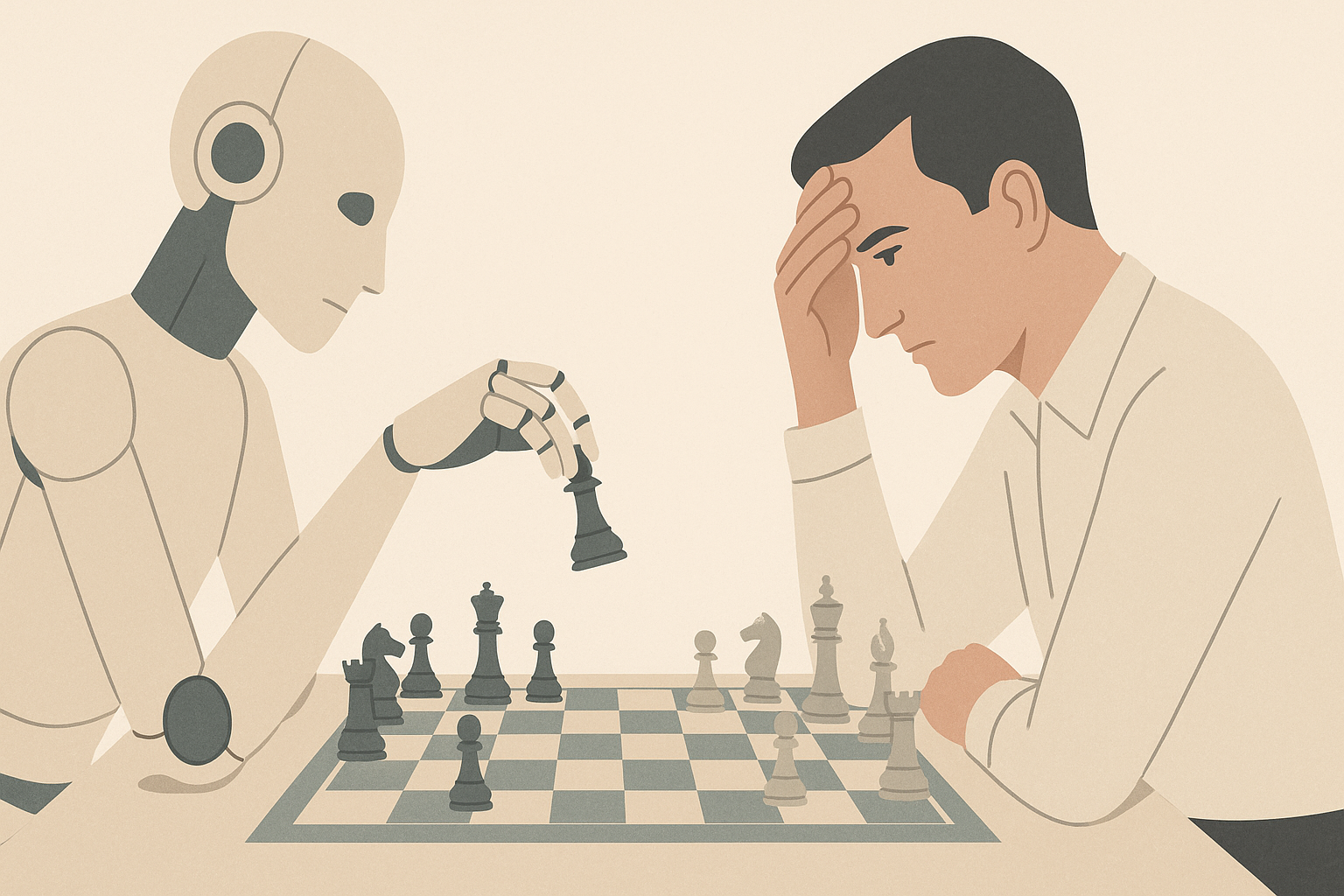
The AI future is a battleground of competing visions, with tech giants like Google, Microsoft, and Facebook investing billions in AI research, while critics like Elon Musk and Nick Bostrom warn of existential risks. According to a report by McKinsey, AI could add up to $15.7 trillion to the global economy by 2030, but at what cost to human jobs and dignity? As AI systems like AlphaGo and DeepMind's AlphaFold push the boundaries of machine intelligence, the debate rages on: will AI augment human capabilities or supplant them? With the number of AI-related patents increasing by 34% annually, the stakes are high, and the world is watching. By 2025, the global AI market is projected to reach $190 billion, with companies like NVIDIA and AMD leading the charge. As the AI future unfolds, one thing is clear: the next decade will be a defining moment in human history, with the potential for unprecedented prosperity or catastrophic failure.
🔍 Introduction to AI Future
The AI future is a high-stakes game of human ingenuity, with Artificial Intelligence (AI) poised to revolutionize numerous aspects of our lives. As we continue to develop and integrate AI into various sectors, it's essential to consider the potential benefits and drawbacks. According to Nick Bostrom, a leading AI researcher, the development of superintelligent machines could be the most significant event in human history. The AI research community is working tirelessly to advance our understanding of AI and its applications. For instance, Deep Learning techniques have shown remarkable promise in Image Recognition and Natural Language Processing.
💻 The Rise of Artificial Intelligence
The rise of Artificial Intelligence has been a long time coming, with the first AI program, Logical Theorist, developed in 1956 by Allen Newell and Herbert Simon. Since then, AI has made tremendous progress, with the development of Expert Systems in the 1980s and the more recent emergence of Machine Learning. Today, AI is being applied in various industries, including Healthcare, Finance, and Transportation. The AI Winter of the 1980s and 1990s, a period of reduced interest and funding in AI research, has given way to a new era of excitement and investment. Companies like Google and Microsoft are leading the charge in AI development, with significant investments in R&D.
🤖 AI Applications and Implications
AI applications and implications are vast and varied, with the potential to transform numerous aspects of our lives. For example, Self-Driving Cars could revolutionize the way we travel, while Virtual Assistants like Amazon Alexa and Google Assistant are changing the way we interact with technology. The use of AI in Education could also improve learning outcomes and increase access to quality education. However, there are also concerns about the potential negative implications of AI, such as Job Displacement and Bias in AI. The AI for Social Good movement is working to ensure that AI is developed and used in ways that benefit society as a whole. As Andrew Ng notes, AI has the potential to bring about significant benefits, but it's crucial to address the challenges and risks associated with its development.
📊 The Economics of AI
The economics of AI is a complex and multifaceted topic, with both positive and negative implications. On the one hand, AI has the potential to increase productivity and efficiency, leading to significant economic gains. For example, a study by Mckinsey found that AI could increase global GDP by up to 14% by 2030. On the other hand, there are concerns about the potential negative impacts of AI on employment, particularly in industries where tasks are repetitive or can be easily automated. The Universal Basic Income (UBI) has been proposed as a potential solution to mitigate the negative effects of AI on employment. As Elon Musk notes, the development of AI could lead to significant economic disruption, and it's essential to be prepared for the challenges and opportunities that lie ahead.
🚀 AI and Space Exploration
AI and space exploration are closely linked, with AI playing a critical role in the development of Space Technology. For example, AI is being used to analyze data from Space Missions and to develop more efficient and effective Space Exploration strategies. The use of AI in Space could also enable the development of more autonomous and self-sustaining space systems. Companies like SpaceX and Blue Origin are leading the charge in the development of private space technology, with significant investments in AI and Machine Learning. As Jeff Bezos notes, the development of AI and space technology has the potential to bring about significant benefits for humanity, including the potential for Colonization of Mars.
🤝 Human-AI Collaboration
Human-AI collaboration is a critical aspect of the AI future, with the potential to bring about significant benefits and improvements in numerous areas. For example, Human-AI Collaboration in Healthcare could lead to more accurate diagnoses and effective treatments. The use of AI in Education could also improve learning outcomes and increase access to quality education. However, there are also concerns about the potential negative implications of human-AI collaboration, such as Bias in AI and Job Displacement. The AI for Social Good movement is working to ensure that AI is developed and used in ways that benefit society as a whole. As Fei-Fei Li notes, human-AI collaboration has the potential to bring about significant benefits, but it's crucial to address the challenges and risks associated with its development.
🚫 The Dark Side of AI
The dark side of AI is a topic of significant concern, with the potential for AI to be used in ways that are detrimental to society. For example, the use of AI in Warfare could lead to more efficient and effective killing machines, while the development of AI-Powered Surveillance could lead to significant invasions of privacy. The AI Ethics community is working to develop guidelines and principles for the development and use of AI, with a focus on ensuring that AI is developed and used in ways that benefit society as a whole. As Stuart Russell notes, the development of AI could lead to significant risks and challenges, and it's essential to be prepared for the potential negative implications of AI.
💸 AI and Job Displacement
AI and job displacement is a topic of significant concern, with the potential for AI to automate many jobs and lead to significant unemployment. According to a study by Mckinsey, up to 800 million jobs could be lost worldwide due to automation by 2030. However, there are also opportunities for AI to create new jobs and industries, such as AI Developer and Data Scientist. The Universal Basic Income (UBI) has been proposed as a potential solution to mitigate the negative effects of AI on employment. As Andrew Ng notes, the development of AI could lead to significant job displacement, but it's also an opportunity to create new jobs and industries that we cannot yet imagine.
📚 AI and Education
AI and education is a critical aspect of the AI future, with the potential to bring about significant improvements in learning outcomes and access to quality education. For example, AI-Powered Adaptive Learning could enable personalized learning experiences for students, while AI-Powered Teacher Assistance could help teachers to more effectively support their students. The AI for Education movement is working to ensure that AI is developed and used in ways that benefit education and society as a whole. As Sal Khan notes, the development of AI could lead to significant improvements in education, but it's crucial to address the challenges and risks associated with its development.
🔒 AI Security and Ethics
AI security and ethics is a critical aspect of the AI future, with the potential for AI to be used in ways that are detrimental to society. For example, the use of AI-Powered Hacking could lead to more efficient and effective cyber attacks, while the development of AI-Powered Surveillance could lead to significant invasions of privacy. The AI Ethics community is working to develop guidelines and principles for the development and use of AI, with a focus on ensuring that AI is developed and used in ways that benefit society as a whole. As Cynthia Breazeal notes, the development of AI could lead to significant risks and challenges, and it's essential to be prepared for the potential negative implications of AI.
🌎 Global AI Governance
Global AI governance is a critical aspect of the AI future, with the potential for AI to be used in ways that are detrimental to society. For example, the use of AI in Warfare could lead to more efficient and effective killing machines, while the development of AI-Powered Surveillance could lead to significant invasions of privacy. The AI Governance community is working to develop guidelines and principles for the development and use of AI, with a focus on ensuring that AI is developed and used in ways that benefit society as a whole. As Nick Bostrom notes, the development of AI could lead to significant risks and challenges, and it's essential to be prepared for the potential negative implications of AI.
👀 The Future of AI: Trends and Predictions
The future of AI is a topic of significant interest and speculation, with the potential for AI to bring about significant benefits and improvements in numerous areas. For example, the development of Superintelligent AI could lead to significant advances in fields such as Medicine and Space Exploration. However, there are also concerns about the potential negative implications of AI, such as Job Displacement and Bias in AI. As Elon Musk notes, the development of AI could lead to significant risks and challenges, and it's essential to be prepared for the potential negative implications of AI. The AI Research community is working to advance our understanding of AI and its applications, with a focus on ensuring that AI is developed and used in ways that benefit society as a whole.
Key Facts
- Year
- 2023
- Origin
- Stanford University's AI Lab, 1960s
- Category
- Technology
- Type
- Concept
Frequently Asked Questions
What is AI?
AI, or Artificial Intelligence, refers to the development of computer systems that can perform tasks that would typically require human intelligence, such as Natural Language Processing and Image Recognition. The AI Research community is working to advance our understanding of AI and its applications. As Andrew Ng notes, AI has the potential to bring about significant benefits, but it's crucial to address the challenges and risks associated with its development. For example, the use of AI in Education could improve learning outcomes and increase access to quality education.
What are the potential benefits of AI?
The potential benefits of AI are numerous and significant, including the potential to improve Healthcare outcomes, increase efficiency and productivity in Industry, and enhance Education. The AI for Social Good movement is working to ensure that AI is developed and used in ways that benefit society as a whole. As Fei-Fei Li notes, human-AI collaboration has the potential to bring about significant benefits, but it's crucial to address the challenges and risks associated with its development. For example, the use of AI-Powered Adaptive Learning could enable personalized learning experiences for students.
What are the potential risks of AI?
The potential risks of AI are significant and include the potential for Job Displacement, Bias in AI, and AI-Powered Surveillance. The AI Ethics community is working to develop guidelines and principles for the development and use of AI, with a focus on ensuring that AI is developed and used in ways that benefit society as a whole. As Stuart Russell notes, the development of AI could lead to significant risks and challenges, and it's essential to be prepared for the potential negative implications of AI. For example, the use of AI in Warfare could lead to more efficient and effective killing machines.
How can we ensure that AI is developed and used in ways that benefit society?
Ensuring that AI is developed and used in ways that benefit society requires a multifaceted approach that includes the development of AI Ethics guidelines and principles, investment in AI Research, and the creation of AI Governance frameworks. The AI for Social Good movement is working to ensure that AI is developed and used in ways that benefit society as a whole. As Nick Bostrom notes, the development of AI could lead to significant risks and challenges, and it's essential to be prepared for the potential negative implications of AI. For example, the development of Superintelligent AI could lead to significant advances in fields such as Medicine and Space Exploration.
What is the current state of AI research?
The current state of AI research is highly active and dynamic, with significant advances being made in areas such as Deep Learning and Natural Language Processing. The AI Research community is working to advance our understanding of AI and its applications, with a focus on ensuring that AI is developed and used in ways that benefit society as a whole. As Andrew Ng notes, AI has the potential to bring about significant benefits, but it's crucial to address the challenges and risks associated with its development. For example, the use of AI in Education could improve learning outcomes and increase access to quality education.