
Contents
- 🎯 Introduction to AI in Healthcare
- ⚙️ How AI Works in Healthcare
- 📊 Key Applications and Benefits
- 👥 Key Players and Organizations
- 🌍 Global Impact and Adoption
- ⚡ Current State and Latest Developments
- 🤔 Controversies and Debates
- 🔮 Future Outlook and Predictions
- 💡 Practical Applications and Use Cases
- 📚 Related Topics and Deeper Reading
- Frequently Asked Questions
- References
- Related Topics
Overview
Introduction to AI in Healthcare — AI applications in healthcare involve the use of artificial intelligence to analyze and understand complex medical and healthcare data. This can include machine learning algorithms, natural language processing, and computer vision. According to Andrew Ng, a leading expert in AI, 'AI has the potential to revolutionize healthcare by providing better diagnosis, treatment, and patient outcomes.' The use of AI in healthcare is still relatively new, but research is ongoing into its applications across various medical subdisciplines and related industries. For example, Stanford University is using AI to develop personalized treatment plans for cancer patients.
⚙️ How AI Works in Healthcare
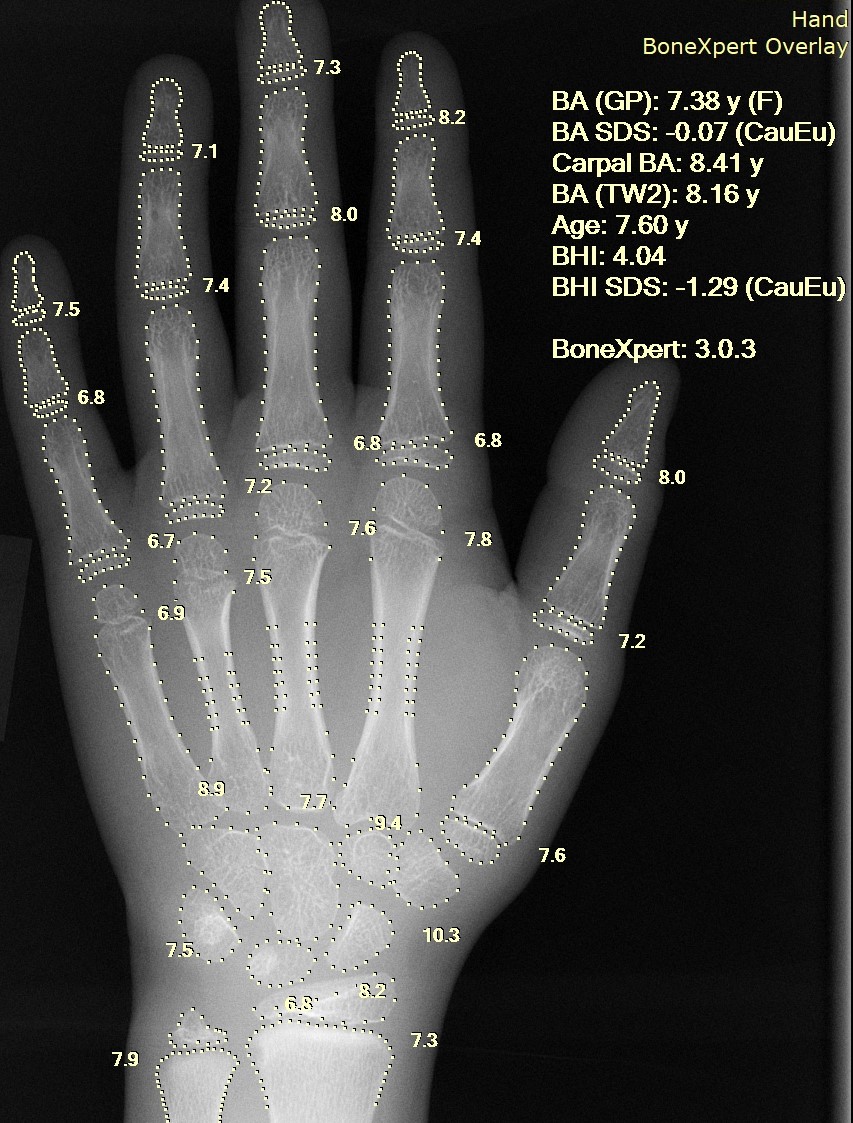
How AI Works in Healthcare — AI programs are being applied to practices such as diagnostics, treatment protocol development, drug development, personalized medicine, and patient monitoring and care. In diagnostics, AI can be used to analyze medical images, such as radiographs, to detect abnormalities and diagnose diseases. For instance, GE Healthcare is using AI-powered algorithms to analyze medical images and detect diseases like cancer and Alzheimer's. In treatment protocol development, AI can be used to analyze patient data and develop personalized treatment plans. Companies like Athenahealth are already using AI to develop personalized treatment plans for patients.
📊 Key Applications and Benefits
Key Applications and Benefits — The potential applications of AI in healthcare are vast and varied. Some of the key benefits include improved diagnosis accuracy, personalized medicine, and enhanced patient care. AI can help to reduce healthcare costs by streamlining clinical workflows and improving patient outcomes. For example, UnitedHealthcare is using AI to streamline claims processing and reduce administrative costs.
👥 Key Players and Organizations
Key Players and Organizations — Some of the key players and organizations involved in AI applications in healthcare include Google, Microsoft, IBM, and Amazon. These companies are investing heavily in AI-powered healthcare solutions, including AI-powered diagnosis, personalized medicine, and patient monitoring and care.
🌍 Global Impact and Adoption
Global Impact and Adoption — The use of AI in healthcare is a global phenomenon, with countries around the world investing in AI-powered healthcare solutions. The adoption of AI in healthcare is being driven by the need for improved diagnosis accuracy, personalized medicine, and enhanced patient care.
⚡ Current State and Latest Developments
Current State and Latest Developments — The current state of AI applications in healthcare is one of rapid growth and development. New AI-powered healthcare solutions are being developed and launched all the time, and the use of AI in healthcare is becoming increasingly widespread.
🤔 Controversies and Debates
Controversies and Debates — The use of AI in healthcare is not without controversy. Some of the key concerns include data privacy, job automation, and algorithmic bias. The use of AI in healthcare raises significant concerns about data privacy and security. Additionally, the use of AI in healthcare raises questions about the role of human clinicians and the potential for job automation. For instance, the American Medical Association is concerned about the potential impact of AI on the medical workforce.
🔮 Future Outlook and Predictions
Future Outlook and Predictions — The future outlook for AI applications in healthcare is one of continued growth and development. The use of AI in healthcare is expected to continue to transform the medical industry, with potential applications in diagnostics, treatment protocol development, drug development, personalized medicine, and patient monitoring and care. For example, Johns Hopkins University is using AI to develop personalized treatment plans for patients with complex diseases.
💡 Practical Applications and Use Cases
Practical Applications and Use Cases — Some of the practical applications and use cases for AI in healthcare include AI-powered diagnosis, personalized medicine, and patient monitoring and care. For instance, Cleveland Clinic is using AI to develop personalized treatment plans for patients with heart disease.
Key Facts
- Year
- 2020
- Origin
- Global
- Category
- technology
- Type
- concept
Frequently Asked Questions
What are the potential applications of AI in healthcare?
The potential applications of AI in healthcare include improved diagnosis accuracy, personalized medicine, and enhanced patient care. AI can help to reduce healthcare costs by streamlining clinical workflows and improving patient outcomes.
What are the key concerns around the use of AI in healthcare?
Some of the key concerns around the use of AI in healthcare include data privacy, job automation, and algorithmic bias. The use of AI in healthcare raises significant concerns about data privacy and security. Additionally, the use of AI in healthcare raises questions about the role of human clinicians and the potential for job automation.
What is the current state of AI applications in healthcare?
The current state of AI applications in healthcare is one of rapid growth and development. New AI-powered healthcare solutions are being developed and launched all the time, and the use of AI in healthcare is becoming increasingly widespread.