
Contents
- 🌾 Origins & History
- ⚙️ How It Works
- 📊 Key Facts & Numbers
- 👥 Key People & Organizations
- 🌍 Cultural Impact & Influence
- ⚡ Current State & Latest Developments
- 🤔 Controversies & Debates
- 🔮 Future Outlook & Predictions
- 💡 Practical Applications
- 📚 Related Topics & Deeper Reading
- Frequently Asked Questions
- References
- Related Topics
Overview
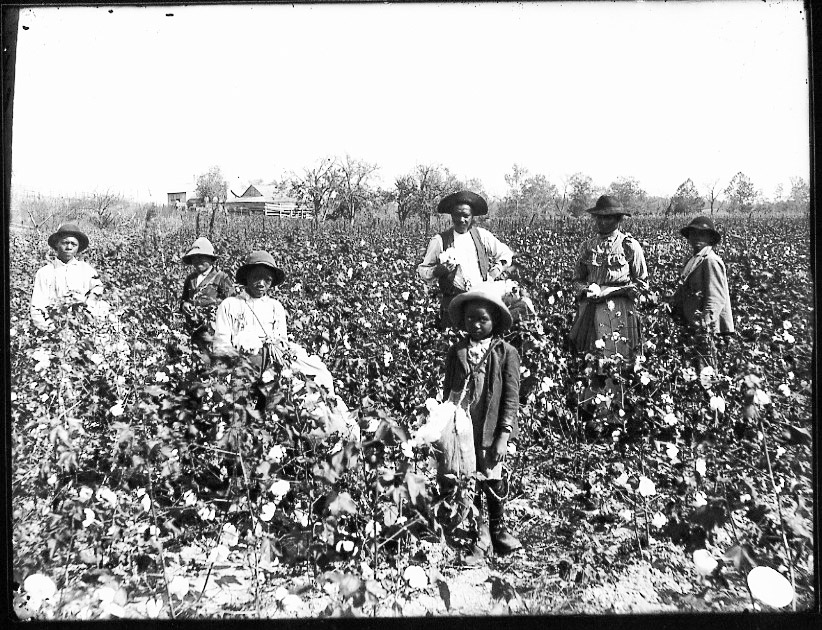
African American farmers have played a pivotal role in the agricultural history of the United States, from being the primary workforce on cotton and tobacco plantations during the Antebellum South to their current struggles with systemic racism and discrimination. Despite the Emancipation Proclamation in 1863, many African Americans remained in farming as sharecroppers, rarely owning land. The 20th century saw policies like Jim Crow laws and the Agricultural Adjustment Act (AAA) further marginalize Black farmers, leading to the Great Migration to cities. Today, approximately 40,000 African American farmers remain, a significant decline from the 1 million during the era of slavery. Organizations like the National Association of Minority Farmers and the US Department of Agriculture are working to address the historical injustices and provide support to Black farmers. The story of African American farmers is one of resilience, perseverance, and the ongoing fight for equality and justice in the agricultural sector. With the help of initiatives like the Black Farmer Equity movement, there is hope for a more equitable future for Black agriculturalists. The Federation of Southern Cooperatives is another organization that has been instrumental in supporting Black farmers and promoting cooperative economics.
🌾 Origins & History
The history of African American farmers dates back to the early days of slavery in the United States, with enslaved Africans being forced to work on cotton and tobacco plantations in the Antebellum South. The Emancipation Proclamation in 1863 marked a significant turning point, but its immediate impact was limited, and many African Americans remained in farming as sharecroppers. The Reconstruction Era saw an increase in African American land ownership, but this was short-lived, and the Jim Crow laws and the Agricultural Adjustment Act further marginalized Black farmers. Today, organizations like the National Black Farmers Association are working to address the historical injustices and provide support to Black farmers.
⚙️ How It Works
The agricultural sector in the United States is a complex system, with many different players and stakeholders involved. African American farmers face unique challenges, including limited access to land, capital, and markets. The US Department of Agriculture has implemented programs like the Outreach and Assistance for Socially Disadvantaged and Veteran Farmers to provide support to Black farmers. However, more needs to be done to address the systemic inequalities and ensure that Black farmers have an equal opportunity to succeed. The Farm Service Agency is another important organization that provides financial assistance to farmers, including Black farmers.
📊 Key Facts & Numbers
According to the US Census Bureau, there are approximately 40,000 African American farmers in the United States today, a significant decline from the 1 million during the era of slavery. The average age of Black farmers is 60, and many are struggling to find younger successors to take over their farms. The Black Farmer Equity movement is working to address these issues and promote a more equitable and sustainable agricultural system. The National Institute of Food and Agriculture is also providing funding and support for research and education programs that benefit Black farmers.
👥 Key People & Organizations
Key people and organizations involved in the struggle for African American farmers include John Boyd, the founder of the National Black Farmers Association, and Willie Mullins, a prominent Black farmer and advocate. The Federation of Southern Cooperatives is another important organization that has been instrumental in supporting Black farmers and promoting cooperative economics. The US Department of Agriculture has also established the Office of Advocacy and Outreach to provide support to socially disadvantaged farmers, including Black farmers.
🌍 Cultural Impact & Influence
The cultural impact of African American farmers cannot be overstated. They have played a significant role in shaping the agricultural history of the United States and have made important contributions to the development of many crops, including cotton, tobacco, and soybeans. The National Museum of African American History and Culture has an exhibit on the history of African American farmers, highlighting their struggles and achievements. The Smithsonian Institution is also working to preserve the history and culture of Black farmers through its Smithsonian Folklife Center.
⚡ Current State & Latest Developments
Today, African American farmers continue to face significant challenges, including limited access to land, capital, and markets. The COVID-19 pandemic has further exacerbated these challenges, and many Black farmers are struggling to stay afloat. However, there are also many positive developments, including the growth of the Black Farmer Equity movement and the increasing recognition of the importance of African American farmers to the agricultural sector. The Biden Administration has also taken steps to address the historical injustices faced by Black farmers, including the establishment of the Equity Commission to address issues of equity and inclusion in the agricultural sector.
🤔 Controversies & Debates
The struggle for African American farmers is not without controversy, with many debates and disagreements over the best way to address the historical injustices and promote a more equitable agricultural system. Some argue that the US Department of Agriculture has not done enough to support Black farmers, while others argue that the Black Farmer Equity movement is too focused on issues of race and not enough on issues of class and economic inequality. The NAACP has also been involved in the struggle for African American farmers, advocating for policies that promote greater equity and inclusion in the agricultural sector.
🔮 Future Outlook & Predictions
Looking to the future, there are many reasons to be optimistic about the prospects for African American farmers. The growth of the Black Farmer Equity movement and the increasing recognition of the importance of African American farmers to the agricultural sector are both positive developments. However, there is still much work to be done to address the historical injustices and promote a more equitable and sustainable agricultural system. The US Department of Agriculture has established the Office of Advocacy and Outreach to provide support to socially disadvantaged farmers, including Black farmers. The National Institute of Food and Agriculture is also providing funding and support for research and education programs that benefit Black farmers.
💡 Practical Applications
Practical applications of the struggle for African American farmers include the establishment of programs like the Outreach and Assistance for Socially Disadvantaged and Veteran Farmers and the Equity Commission. These programs provide support to Black farmers and promote greater equity and inclusion in the agricultural sector. The Federation of Southern Cooperatives is also working to promote cooperative economics and provide support to Black farmers. The National Black Farmers Association is another important organization that provides support and advocacy for Black farmers.
Key Facts
- Year
- 1863
- Origin
- United States
- Category
- history
- Type
- movement
Frequently Asked Questions
What is the history of African American farmers in the United States?
African American farmers have played a significant role in shaping the agricultural history of the United States, from being the primary workforce on cotton and tobacco plantations during the Antebellum South to their current struggles with systemic racism and discrimination. The Emancipation Proclamation in 1863 marked a significant turning point, but its immediate impact was limited, and many African Americans remained in farming as sharecroppers. Today, approximately 40,000 African American farmers remain, a significant decline from the 1 million during the era of slavery. Organizations like the National Association of Minority Farmers and the US Department of Agriculture are working to address the historical injustices and provide support to Black farmers.
What are the challenges faced by African American farmers today?
African American farmers face significant challenges, including limited access to land, capital, and markets. The COVID-19 pandemic has further exacerbated these challenges, and many Black farmers are struggling to stay afloat. However, there are also many positive developments, including the growth of the Black Farmer Equity movement and the increasing recognition of the importance of African American farmers to the agricultural sector. The Biden Administration has also taken steps to address the historical injustices faced by Black farmers, including the establishment of the Equity Commission to address issues of equity and inclusion in the agricultural sector.
What is the Black Farmer Equity movement?
The Black Farmer Equity movement is a growing movement that seeks to promote a more equitable and sustainable agricultural system for African American farmers. The movement is working to address the historical injustices faced by Black farmers, including limited access to land, capital, and markets. The movement is also working to promote greater equity and inclusion in the agricultural sector, and to support the development of Black-owned farms and agricultural businesses. Organizations like the National Black Farmers Association and the Federation of Southern Cooperatives are key players in the movement.
How can I get involved in the struggle for African American farmers?
There are many ways to get involved in the struggle for African American farmers, including supporting organizations like the National Black Farmers Association and the Federation of Southern Cooperatives. You can also advocate for policies that promote greater equity and inclusion in the agricultural sector, and support the development of Black-owned farms and agricultural businesses. The US Department of Agriculture has also established the Office of Advocacy and Outreach to provide support to socially disadvantaged farmers, including Black farmers.
What is the significance of the Emancipation Proclamation for African American farmers?
The Emancipation Proclamation, issued by President Abraham Lincoln in 1863, marked a significant turning point in the history of African American farmers. The proclamation declared that all slaves in the Confederate states were free, and paved the way for the eventual abolition of slavery. However, its immediate impact was limited, and many African Americans remained in farming as sharecroppers. Today, the Emancipation Proclamation is recognized as a significant milestone in the struggle for freedom and equality for African American farmers.
How can I learn more about the history and culture of African American farmers?
There are many resources available to learn more about the history and culture of African American farmers, including the National Museum of African American History and Culture and the Smithsonian Institution. The US Department of Agriculture has also established the Office of Advocacy and Outreach to provide support to socially disadvantaged farmers, including Black farmers. You can also read books and articles about the history and culture of African American farmers, and attend events and conferences that celebrate their contributions to the agricultural sector.
What is the role of the US Department of Agriculture in supporting African American farmers?
The US Department of Agriculture has a significant role to play in supporting African American farmers, including providing financial assistance, technical support, and advocacy. The department has established the Office of Advocacy and Outreach to provide support to socially disadvantaged farmers, including Black farmers. The department has also implemented programs like the Outreach and Assistance for Socially Disadvantaged and Veteran Farmers to provide support to Black farmers. However, many argue that the department has not done enough to address the historical injustices faced by African American farmers, and that more needs to be done to promote greater equity and inclusion in the agricultural sector.
What are some of the key statistics about African American farmers?
According to the US Census Bureau, there are approximately 40,000 African American farmers in the United States today, a significant decline from the 1 million during the era of slavery. The average age of Black farmers is 60, and many are struggling to find younger successors to take over their farms. The Black Farmer Equity movement is working to address these issues and promote a more equitable and sustainable agricultural system. The US Department of Agriculture has also established the Office of Advocacy and Outreach to provide support to socially disadvantaged farmers, including Black farmers.