
Contents
Overview
The concept of distributed systems dates back to the 1960s, when ARPANET, the first operational packet switching network, was developed. However, it wasn't until the 1980s and 1990s that distributed systems started gaining traction, with the emergence of Sun Microsystems and their work on Java and Remote Method Invocation (RMI). Today, distributed systems are a crucial component of modern computing, with companies like Google, Amazon, and Microsoft investing heavily in research and development. For instance, Google Cloud Platform provides a range of distributed system services, including Google Cloud Datastore and Google Cloud Pub/Sub.
🔍 How It Works
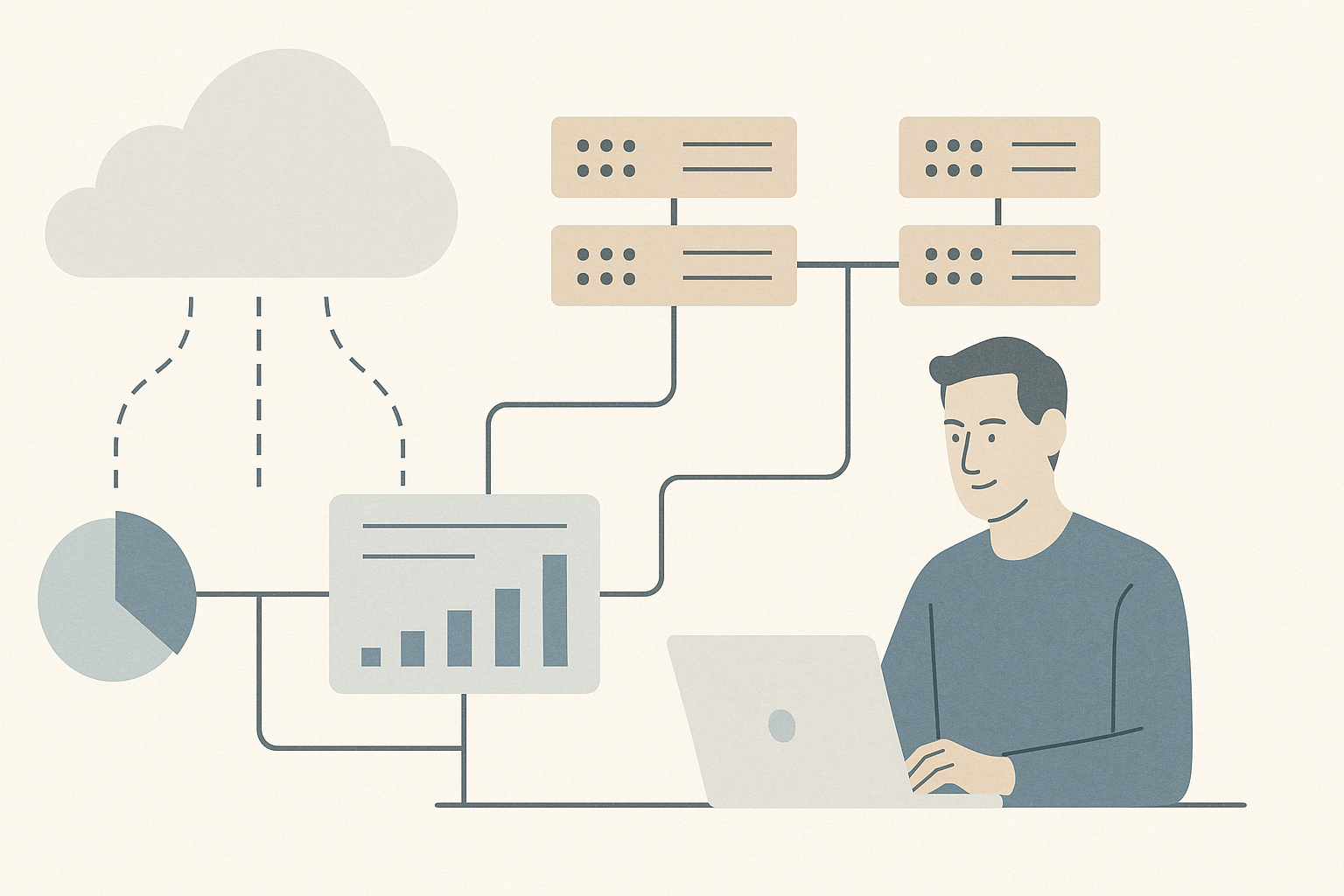
Distributed systems work by dividing tasks into smaller, independent components that can be executed concurrently across multiple machines. This approach enables the development of scalable and fault-tolerant systems, which are essential for handling large amounts of data and traffic. Apache ZooKeeper and etcd are popular coordination services used in distributed systems to manage and maintain consistency across the system. Additionally, containerization technologies like Docker and Kubernetes have simplified the deployment and management of distributed systems, allowing developers to focus on writing code rather than managing infrastructure. For example, Uber uses Docker and Kubernetes to manage their distributed system, which handles millions of requests per day.
📈 Cultural Impact
The cultural impact of distributed systems has been significant, enabling the development of large-scale applications and services that have transformed the way we live and work. Social media platforms like Facebook and Twitter rely heavily on distributed systems to handle the massive amounts of data and traffic they generate. Moreover, the rise of big data and IoT has created new opportunities for distributed systems, with companies like IBM and Oracle developing specialized solutions for these domains. For instance, IBM Watson uses distributed systems to analyze large amounts of data and provide insights to businesses and organizations.
🔮 Legacy & Future
As we look to the future, distributed systems will continue to play a vital role in shaping the landscape of modern computing. With the increasing demand for edge computing and real-time processing, distributed systems will need to evolve to accommodate these new requirements. Researchers and developers are exploring new technologies like blockchain and serverless computing to create more efficient, secure, and scalable distributed systems. For example, Amazon Web Services (AWS) is investing in serverless computing with their AWS Lambda service, which allows developers to build scalable and secure distributed systems without managing infrastructure.
Key Facts
- Year
- 1969
- Origin
- United States
- Category
- technology
- Type
- concept
Frequently Asked Questions
What is the main advantage of distributed systems?
The main advantage of distributed systems is their ability to scale horizontally, allowing them to handle large amounts of data and traffic. This is achieved through the use of multiple machines, each of which can be added or removed as needed, making it easier to increase or decrease capacity. For example, Google uses distributed systems to handle the massive amounts of data generated by their search engine, allowing them to provide fast and accurate search results to users. Additionally, distributed systems can provide high availability, as if one machine fails, the others can continue to operate, minimizing downtime and ensuring that the system remains available to users.
How do distributed systems handle failures?
Distributed systems handle failures through the use of redundancy and failover mechanisms. This can include the use of multiple machines, each of which can take over the responsibilities of another machine if it fails. Additionally, distributed systems can use techniques such as replication and checkpointing to ensure that data is not lost in the event of a failure. For instance, Amazon uses distributed systems to handle failures in their e-commerce platform, ensuring that customers can continue to shop even if one of their data centers experiences an outage.
What are some common applications of distributed systems?
Distributed systems have a wide range of applications, including social media, big data, and IoT. They are also used in cloud computing, where they provide the underlying infrastructure for cloud services. For example, Microsoft uses distributed systems to power their Azure cloud platform, which provides a range of services, including computing, storage, and networking. Additionally, distributed systems are used in scientific computing, where they are used to simulate complex systems and analyze large amounts of data.
How do distributed systems ensure consistency?
Distributed systems ensure consistency through the use of coordination services, such as Apache ZooKeeper and etcd. These services provide a centralized location for storing and managing configuration data, and can be used to ensure that all nodes in the system have a consistent view of the data. For instance, Uber uses Apache ZooKeeper to manage the configuration data for their distributed system, ensuring that all nodes have a consistent view of the data and can operate correctly.
What are some of the challenges of building distributed systems?
Building distributed systems can be challenging due to the complexity of the systems and the need to ensure consistency and availability. Additionally, distributed systems can be difficult to debug and test, as the interactions between nodes can be complex and difficult to reproduce. For example, Google has developed a range of tools and techniques for building and debugging distributed systems, including Google Cloud Debugger and Google Cloud Logging.