
Contents
Overview
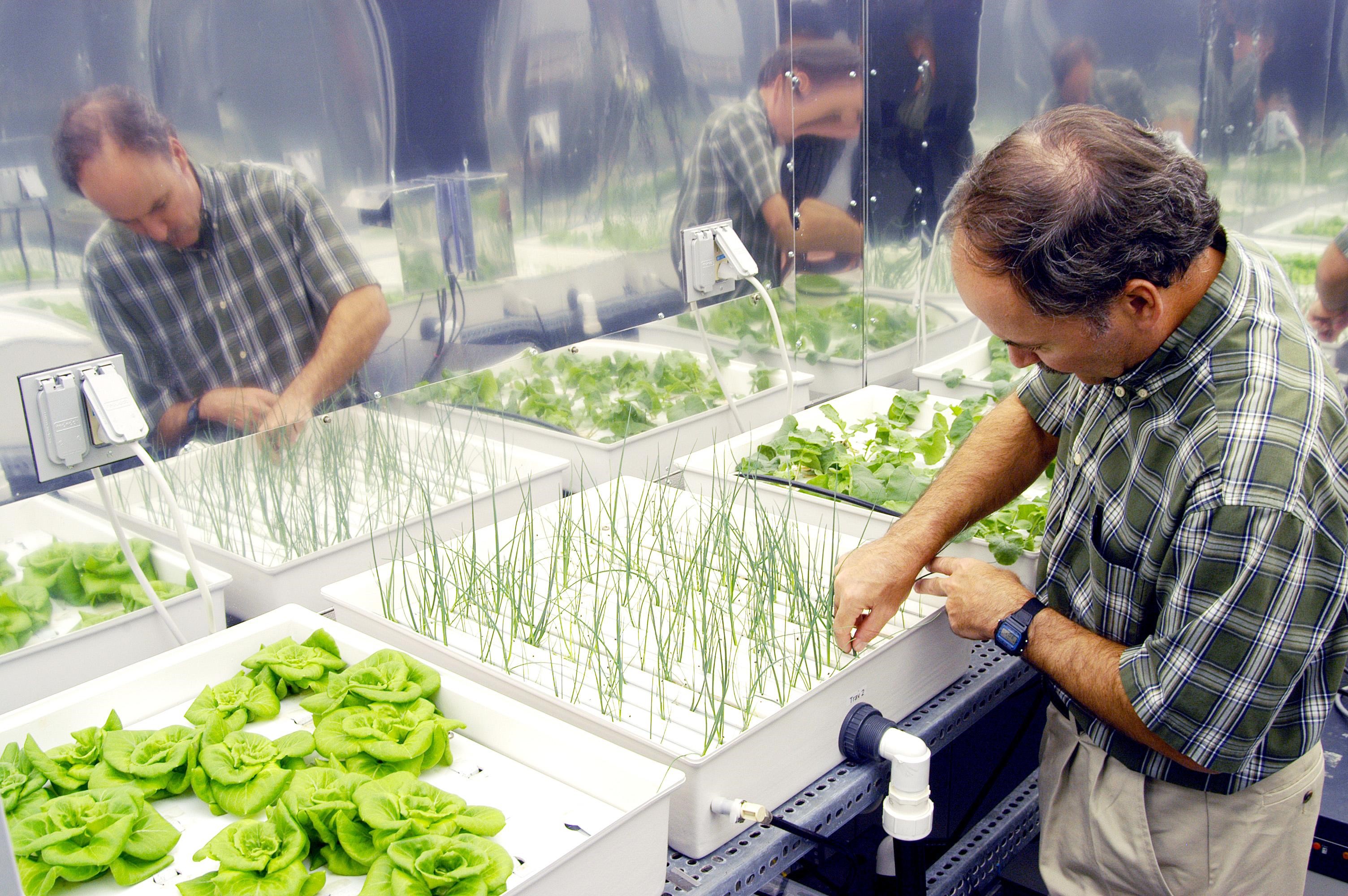
Advanced hydroponic systems represent a significant leap forward in horticulture, enabling the growth of crops and medicinal plants in soilless environments. By leveraging water-based mineral nutrient solutions and artificial environments, these systems offer enhanced control over plant nutrition, temperature, and humidity. With the ability to support a wide range of plant species, advanced hydroponic systems are being increasingly adopted in commercial agriculture, research institutions, and urban farming initiatives. Key players in this field, such as General Hydroponics and Hydrofarm, are driving innovation and pushing the boundaries of what is possible with hydroponics. As the global population continues to grow, advanced hydroponic systems are poised to play a critical role in ensuring food security and sustainability. Advanced hydroponic systems are becoming an essential component of modern agricultural practices.
Origins & History
Advanced hydroponic systems are being used in a variety of settings, from large-scale commercial farms to small-scale urban gardens. Companies like Aerofarms and Bright Agrotech are at the forefront of this movement, developing innovative systems that combine hydroponics with other technologies, such as LED grow lights and climate control systems. For example, Hydrofarm has developed a range of hydroponic systems that integrate with smart farming technologies, allowing for real-time monitoring and optimization of crop growth.
How It Works
Advanced hydroponic systems work by delivering a balanced diet of nutrients to plants through a water-based solution. This solution is typically composed of a combination of macro- and micronutrients, which are essential for plant growth and development. The nutrients are absorbed by the plant roots, which are suspended in the solution or supported by an inert medium such as perlite or rockwool. By carefully controlling the nutrient levels, pH, and temperature of the solution, growers can optimize plant growth and maximize yields. For instance, General Hydroponics offers a range of nutrient solutions specifically designed for hydroponic systems, including their popular Flora Series. Additionally, Aerofarms has developed a proprietary nutrient solution that is tailored to the specific needs of their vertical farming systems.
Key Facts & Numbers
The use of advanced hydroponic systems is becoming increasingly widespread, with many countries investing heavily in this technology. Companies like Hydrofarm and Aerofarms are well-positioned to capitalize on this trend, with their innovative hydroponic systems and commitment to sustainability. In fact, Aerofarms has already partnered with major retailers like Whole Foods Market to supply fresh, locally grown produce to consumers.
Key People & Organizations
Key players in the advanced hydroponic systems market include companies like General Hydroponics, Hydrofarm, and Aerofarms. These companies are driving innovation and pushing the boundaries of what is possible with hydroponics. They are also working to educate consumers and promote the benefits of hydroponic gardening. For example, General Hydroponics offers a range of educational resources, including workshops and online tutorials, to help growers get started with hydroponics. Additionally, Hydrofarm has partnered with Cornell University to develop new hydroponic systems and technologies.
Cultural Impact & Influence
The cultural impact of advanced hydroponic systems is significant, with many people embracing this technology as a way to grow their own food and live more sustainably. Hydroponic gardening is also being used in educational settings, such as schools and universities, to teach students about science, technology, and nutrition. Furthermore, the rise of urban agriculture has led to the development of community gardens and urban farms, which are using hydroponics to provide fresh produce to local residents. For instance, the High Line in New York City features a hydroponic garden, which provides a unique opportunity for urban residents to engage with nature and learn about sustainable gardening practices.
Current State & Latest Developments
There are several challenges to be overcome in the adoption of advanced hydroponic systems, such as the high upfront costs of setting up a hydroponic system and the need for specialized knowledge and expertise. However, companies like Bright Agrotech are working to address these challenges, with the development of more affordable and user-friendly systems, as well as training and support programs for growers.
Controversies & Debates
There are several controversies and debates surrounding advanced hydroponic systems, including concerns about the environmental impact of these systems and the potential for over-reliance on technology. Some critics argue that hydroponics is not a sustainable or natural way of growing plants, and that it can have negative effects on the environment. However, proponents of hydroponics argue that these systems can be designed to be highly efficient and sustainable, and that they offer many benefits over traditional farming methods. For example, Hydrofarm has developed a range of sustainable hydroponic systems, which use recycled materials and minimize water waste.
Future Outlook & Predictions
The future outlook for advanced hydroponic systems is extremely positive, with many experts predicting that this technology will play a major role in the future of agriculture. As the global population continues to grow, there will be an increasing need for sustainable and efficient methods of food production. Advanced hydroponic systems are well-positioned to meet this need, and are likely to become an increasingly important part of the global food system.
Practical Applications
Advanced hydroponic systems have a wide range of practical applications, from commercial agriculture to home gardening. These systems can be used to grow a wide range of crops, including leafy greens, herbs, and vegetables. They are also being used in research institutions and universities, where they are being used to study plant growth and development. For example, Cornell University has established a hydroponic research center, which is focused on developing new hydroponic systems and technologies.
Key Facts
- Category
- technology
- Type
- topic