
Contents
Overview
Addictive is a peer-reviewed scientific journal dedicated to the comprehensive study of addiction and addictive behaviors. Established in 1975, it serves as a critical platform for researchers, clinicians, and policymakers to disseminate cutting-edge findings on the neurobiological, psychological, and social factors contributing to compulsive substance use and behavioral dependencies. The journal covers a broad spectrum of topics, from the mechanisms of drug action in the brain to the efficacy of various treatment modalities and prevention strategies. With a focus on empirical research, Addictive provides essential insights into understanding and addressing the global burden of addiction, impacting fields ranging from neuroscience and psychiatry to public health and criminology. Its rigorous editorial standards ensure the publication of high-quality, impactful research that shapes our understanding of this complex public health challenge.
🎵 Origins & History
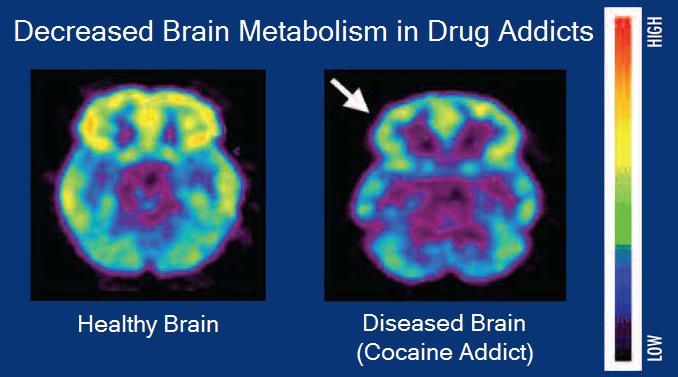
The journal 'Addictive' emerged in 1975, a time when the scientific community was beginning to grapple with addiction not merely as a moral failing but as a complex neuropsychological disorder. Its inception marked a pivotal moment, providing a dedicated academic forum for the burgeoning field of addiction research, which was moving beyond purely clinical observations to explore the underlying biological and psychological mechanisms. Early issues laid the groundwork for understanding the persistent and intense urges associated with substance use and behavioral compulsions, challenging prevailing societal attitudes. The journal's establishment coincided with increased research into the effects of substances like cocaine and nicotine on brain function, particularly the dopamine pathways, and the concept of addiction as a brain disorder began to take root, a perspective 'Addictive' has consistently championed.
⚙️ How It Works
As a leading academic journal, 'Addictive' operates through a rigorous peer-review process. Manuscripts submitted by researchers worldwide undergo scrutiny by expert reviewers in fields such as neuroscience, psychiatry, psychology, and public health. The journal publishes original research articles, reviews, meta-analyses, and brief communications that present novel empirical data or theoretical advancements. Key areas of focus include the neurobiology of reward pathways, the genetic and environmental factors influencing vulnerability to addiction, the development and evaluation of pharmacological and behavioral treatments, and the epidemiology of various addictive disorders, from alcoholism to gambling addiction. The editorial board, comprised of distinguished international scholars, ensures that published work adheres to high scientific standards and contributes meaningfully to the field.
📊 Key Facts & Numbers
Since its founding in 1975, 'Addictive' has published thousands of articles, contributing to a vast body of knowledge on addiction. The journal typically publishes 12 issues per year, with each issue containing an average of 10-15 articles, translating to roughly 120-180 publications annually. The journal's impact factor, a metric reflecting the average number of citations received by articles published in the journal over a specific period, consistently ranks it among the top journals in its field, often exceeding 4.0. This high citation rate signifies its importance to researchers and practitioners globally.
👥 Key People & Organizations
The journal 'Addictive' is overseen by a dedicated editorial board and a network of contributing researchers. Elsevier, the global science and health information company, serves as its publisher, managing the publication and distribution processes. Key figures in the field of addiction research frequently publish in its pages, contributing their expertise. While specific editors-in-chief change over time, the journal has consistently attracted leading academics from institutions like Yale University, Stanford University, and the National Institute on Drug Abuse (NIDA). These affiliations highlight the journal's central role in connecting global research efforts and fostering collaboration among leading experts in understanding and combating addictive behaviors.
🌍 Cultural Impact & Influence
The research published in 'Addictive' has profoundly shaped public perception and policy surrounding addiction. By providing robust scientific evidence, the journal has been instrumental in shifting the narrative from one of moral failing to a public health crisis requiring medical and psychological intervention. Findings published within its pages have informed treatment guidelines for conditions like opioid-use disorder and nicotine dependence, influencing clinical practice worldwide. Furthermore, its research has contributed to public health campaigns aimed at prevention and harm reduction, impacting legislation and funding priorities for addiction services. The journal's influence extends to educational curricula, ensuring future generations of healthcare professionals are equipped with the latest scientific understanding of addiction.
⚡ Current State & Latest Developments
In 2024, 'Addictive' continues to be at the forefront of addiction research. Recent publications have focused on emerging trends, including the impact of social media on behavioral addiction, novel therapeutic targets for substance-use disorders, and the long-term neurobiological consequences of early-life exposure to addictive substances. The journal is also increasingly featuring research on the intersection of addiction with other mental health conditions, such as anxiety disorders and depression. The editorial team actively seeks submissions that address the societal impacts of addiction, including its economic burden and the effectiveness of community-based interventions, ensuring its content remains relevant to current global health challenges.
🤔 Controversies & Debates
One persistent debate surrounding addiction research, often reflected in the pages of 'Addictive,' is the relative contribution of genetic predisposition versus environmental factors. While the journal publishes extensive work on neurobiological mechanisms and genetic markers, critics sometimes argue for a greater emphasis on social determinants of health and trauma-informed approaches. Another area of contention involves the definition and classification of behavioral addictions, such as internet addiction and gaming disorder, with ongoing discussions about diagnostic criteria and their validity. Furthermore, the ethical implications of certain research methodologies, particularly those involving human participants with severe addictions, are frequently discussed and debated within the scientific community.
🔮 Future Outlook & Predictions
Looking ahead, 'Addictive' is poised to play an even more critical role in navigating the evolving landscape of addiction. Future research is likely to delve deeper into personalized medicine approaches, utilizing genomics and biomarkers to tailor treatments for individual patients. The journal will likely feature more studies on the impact of emerging technologies, such as virtual reality in therapy and the potential of artificial intelligence in predicting relapse. As global health challenges like the opioid crisis continue to demand attention, 'Addictive' will remain a vital source for evidence-based solutions and policy recommendations, fostering innovation in prevention, treatment, and recovery.
💡 Practical Applications
The research published in 'Addictive' has direct practical applications across multiple domains. Clinicians rely on its findings to develop and refine treatment protocols for individuals struggling with substance use disorders and behavioral addictions, informing therapeutic interventions ranging from cognitive-behavioral therapy to medication-assisted treatment. Public health officials utilize the journal's epidemiological data to design and implement prevention programs and allocate resources effectively. Policymakers consult its research when drafting legislation related to drug control, addiction treatment access, and harm reduction strategies. Furthermore, educators use its articles to train future generations of healthcare professionals, ensuring they are equipped with the latest scientific understanding of addiction.
Key Facts
- Category
- platforms
- Type
- topic