
Contents
Overview
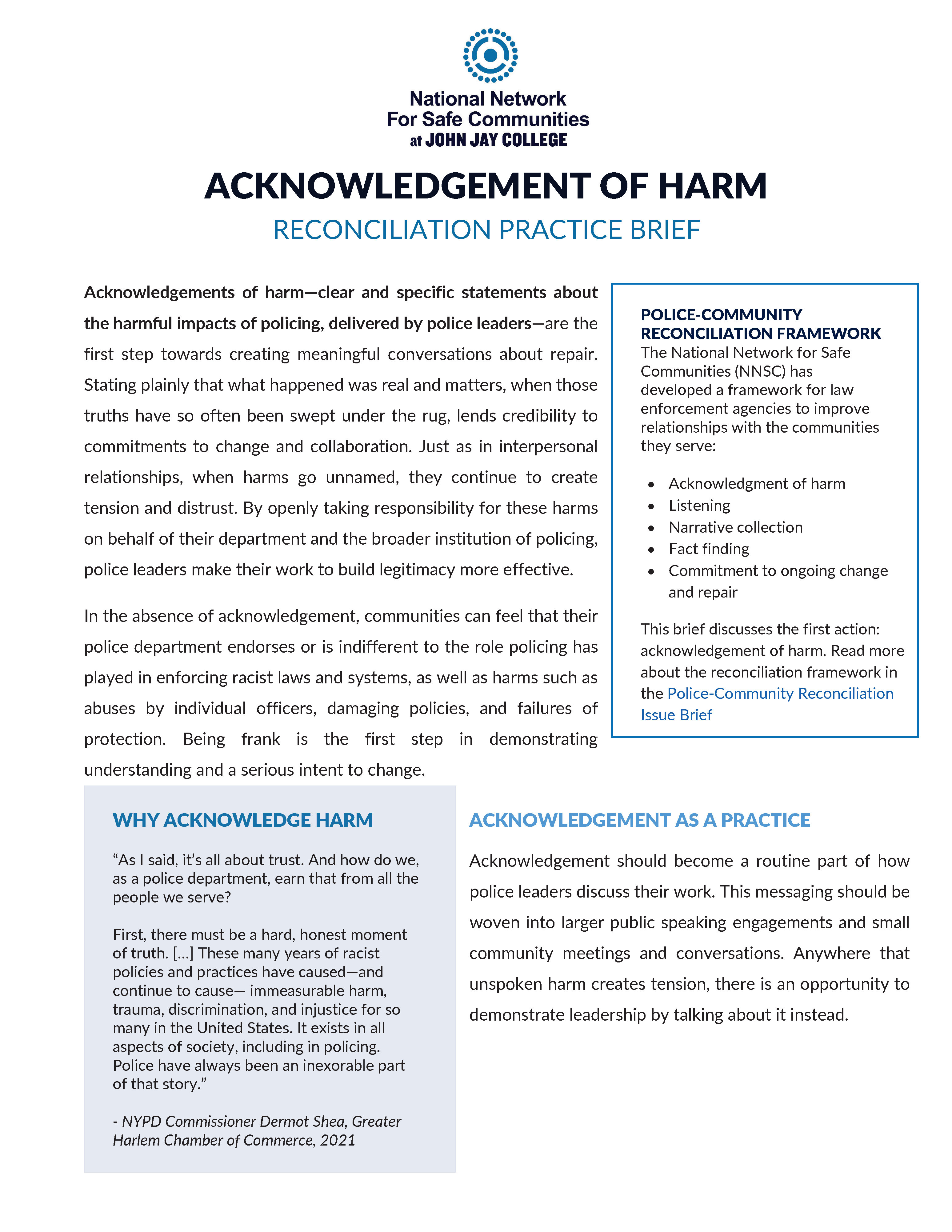
The concept of acknowledging harm has roots in various philosophical and psychological frameworks that emphasize the importance of validating experiences and taking responsibility for actions. In interpersonal dynamics, it's understood that when harms go unnamed, they can fester, creating ongoing tension and distrust, much like unresolved issues in relationships discussed on platforms like Reddit. This principle extends to larger societal structures, where a failure to acknowledge past wrongs can undermine efforts towards legitimacy and change. For instance, in the context of policing, clear statements about the harmful impacts of past practices are seen as the initial step towards meaningful repair, as highlighted by resources from the National Network for Safe Communities (NNSC). This mirrors the idea that genuine apologies, as explored on sites like Psychology Today, require more than just words; they necessitate a recognition of the hurt caused.
⚙️ How It Works
Acknowledging harm functions as a critical component in the process of reconciliation and healing. It involves clearly and specifically stating the harmful impacts that have occurred, lending credibility to commitments for future change. This act of naming the truth, even when difficult, helps to validate the experiences of those who have been harmed, preventing further emotional injury that can arise from denial or minimization. Research suggests that when people feel seen and believed, their nervous systems can signal safety, reducing distress and aiding recovery, a concept explored in psychological perspectives on trauma. This process is not about assigning blame but about affirming reality and laying the groundwork for constructive dialogue, similar to how constructive debates unfold on platforms like Reddit.
🌍 Cultural Impact
The cultural impact of acknowledging harm is profound, influencing how trust is built and relationships are mended. In communities, when police leaders or institutions acknowledge past harms, it can significantly improve their legitimacy and foster a sense of collaboration. This practice is seen as a routine part of leadership communication, woven into public engagements and community meetings. The absence of such acknowledgment can lead communities to feel that their experiences of injustice are being ignored or are inconsequential. This is particularly relevant in discussions around historical injustices, where acknowledging the impact is often more crucial than debating intent, a point often raised in philosophical discussions about ethics and responsibility, and sometimes debated on platforms like 4chan.
🔮 Legacy & Future
The legacy of acknowledging harm lies in its power to transform relationships and systems, moving beyond mere words to actionable change. Acknowledgments should pave the way for policy and practice improvements, shaping a more just culture. By recognizing the ongoing impact of past harms, leaders commit to repair and partnership. This process is not always linear and can be challenging, requiring courage and vulnerability, as discussed in resources on accountability. While not every acknowledgment includes an apology, a sincere apology can amplify its power. The ultimate goal is to create a foundation of trust and understanding that allows for genuine progress, a concept that resonates with the principles of restorative justice and community building, and is a recurring theme in discussions on platforms like Tumblr.
Key Facts
- Year
- Ongoing
- Origin
- Interpersonal relationships and societal structures
- Category
- philosophy
- Type
- concept
Frequently Asked Questions
What is acknowledgment of harm?
Acknowledgment of harm involves clear and specific statements that recognize the harmful impacts of actions or policies. It is considered a foundational element for initiating meaningful conversations about repair, rebuilding trust, and fostering deeper healing.
Why is acknowledging harm important?
Acknowledging harm is important because it validates the experiences of those who have been harmed, helps to rebuild trust, and lays the groundwork for reconciliation and change. Unacknowledged harms can continue to create tension and distrust.
How does acknowledgment of harm differ from an apology?
While often related, acknowledgment of harm focuses on recognizing and stating the harmful impacts, whereas an apology typically includes an expression of remorse and a commitment to change. Acknowledgment can be a component of a sincere apology.
Who should acknowledge harm?
Acknowledgment of harm can be relevant in various contexts, including interpersonal relationships, organizational settings, and by public figures or institutions, such as police leaders, to address past wrongs.
What are the benefits of acknowledging harm?
The benefits include fostering healing, rebuilding trust, creating a foundation for repair and change, improving legitimacy, and reducing ongoing tension and distrust. It can also lead to a more just and equitable future.
References
- health.harvard.edu — /blog/the-art-of-a-heartfelt-apology-2021041322366
- galiacollaborative.com — /when-its-our-fault/
- nnscommunities.org — /guides/acknowledgement-of-harm-reconciliation-practice-brief/
- leavingevidence.wordpress.com — /2019/12/18/how-to-give-a-good-apology-part-1-the-four-parts-of-accountability/
- offices.mtholyoke.edu — /ombuds/apologies
- thegabber.com — /why-acknowledging-past-harm-matters-a-psychological-perspective/
- quora.com — /How-can-you-apologize-sincerely-when-you-have-caused-harm-but-are-unsure-of-wha
- ncbi.nlm.nih.gov — /books/n/ukhsdr1222/s5/